Dinochloa andamanica
Kurz
iNaturalist· cc-by-nc
(c) Aditya Gadkari, some rights reserved (CC BY-NC), uploaded by Aditya Gadkari
Description
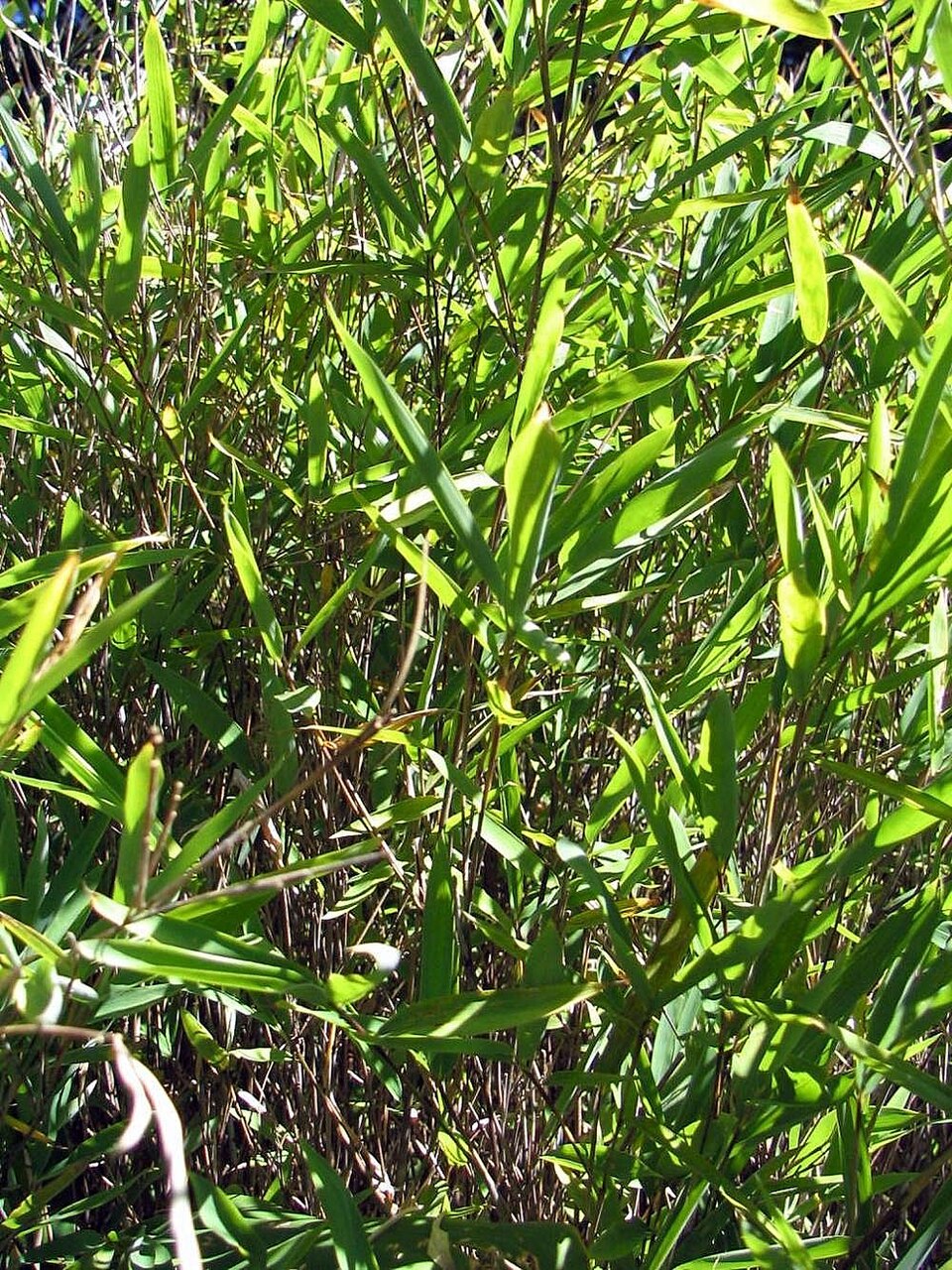
A climbing bamboo that forms clumps and grows up to 20 m tall in tropical environments.
This description is brief — help expand it
Edible Uses
The shoots are eaten.
Distribution
It is a tropical plant.
Where It Grows
Andamans, Asia, India, Myanmar, Nicobar Is., Thailand,
Cultivation
Bamboos have an interesting method of growth. Each plant produces a number of new stems annually - these stems grow to their maximum height in their first year of growth, subsequent growth in the stem being limited to the production of new side branches and leaves. In the case of some mature tropical species the new stem could be as much as 30 metres tall, with daily increases in height of 30cm or more during their peak growth time. This makes them some of the fastest-growing species in the world. New main branches develop annually, at first leafless, curved, tendril-like, later in the season covering themselves with a dense mass of foliage, which hangs down from the supporting trees and eventually smothers them. Where no large trees exist. This Bamboo forms an impenetrable tangled mass, spreading over shrubs and saplings. Bamboos in general are usually monocarpic, living for many years before flowering, then flowering and seeding profusely for a period of 1 - 3 years before usually dying.
Other Uses
The long, cane like culm is used as rope.
Synonyms
References (1)
- Arora, K., Indigenous Forest Management in the Andaman and Nicobar Islands, India.