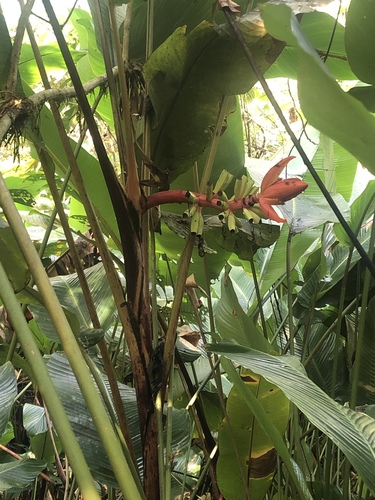
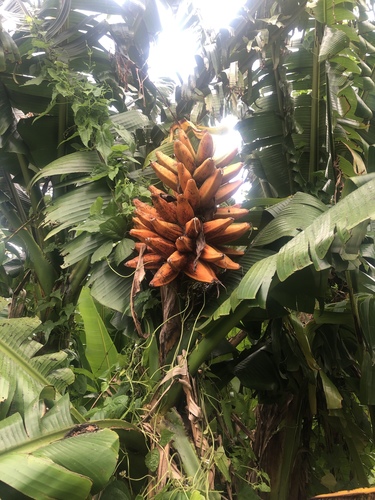
Musa balbisiana var. liukiuensis
(Matsum.) Hakkinen
iNaturalist· cc-by-nc
(c) Alan Kwok (King Lun), Ada Tai (Ah Heung) / 阿達蘭 AdAlan, some rights reserved (CC BY-NC), uploaded by Alan Kwok (King Lun), Ada Tai (Ah Heung) / 阿達蘭 AdAlan
iNaturalist· cc-by-nc
(c) Alan Kwok (King Lun), Ada Tai (Ah Heung) / 阿達蘭 AdAlan, some rights reserved (CC BY-NC), uploaded by Alan Kwok (King Lun), Ada Tai (Ah Heung) / 阿達蘭 AdAlan
iNaturalist· cc-by-nc
(c) Alan Kwok (King Lun), Ada Tai (Ah Heung) / 阿達蘭 AdAlan, some rights reserved (CC BY-NC), uploaded by Alan Kwok (King Lun), Ada Tai (Ah Heung) / 阿達蘭 AdAlan
Summary
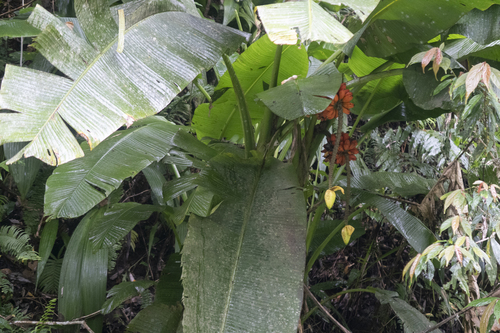
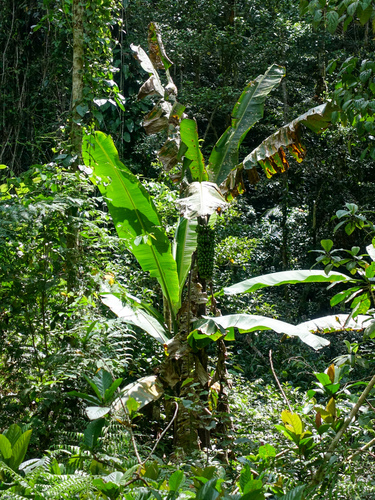
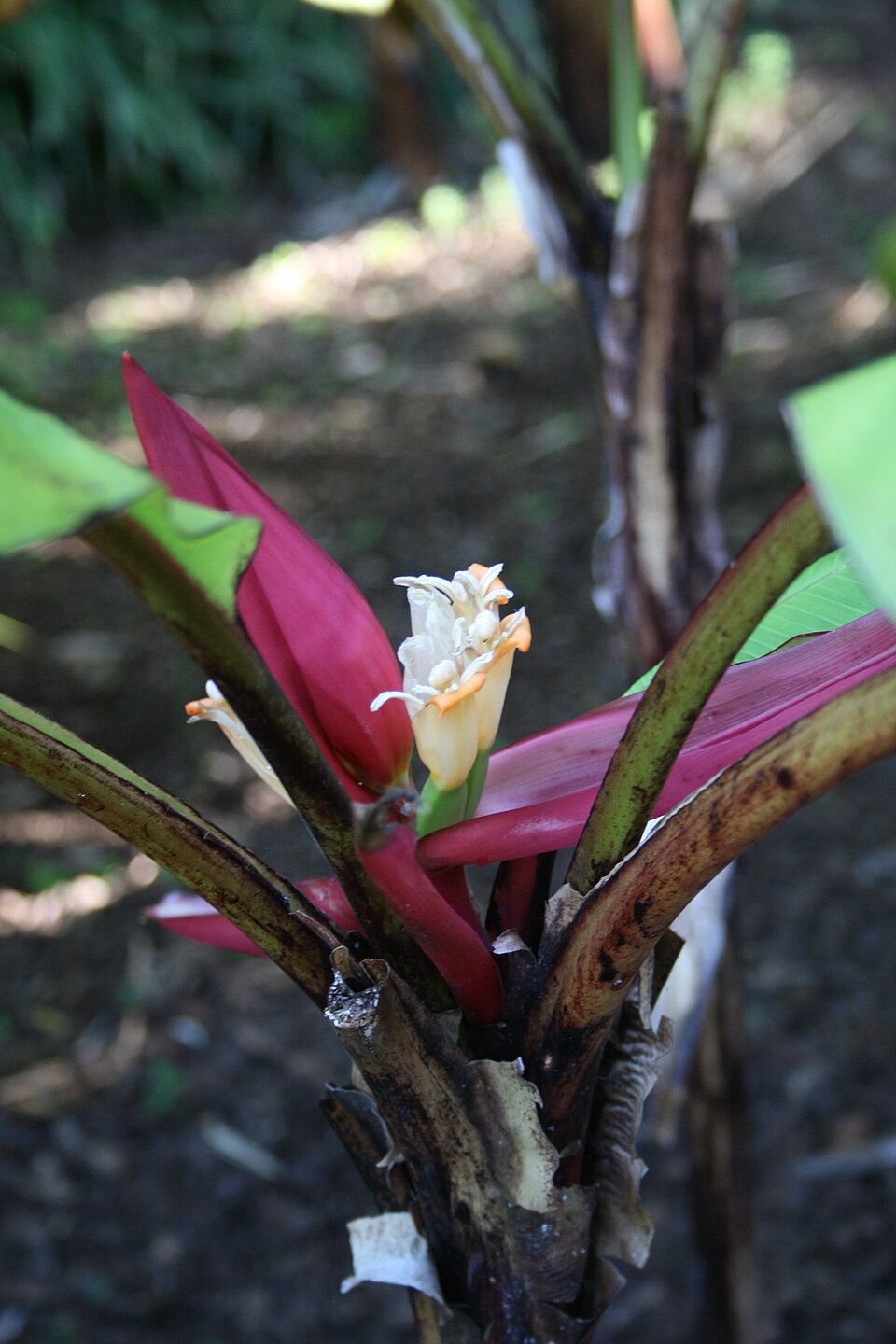
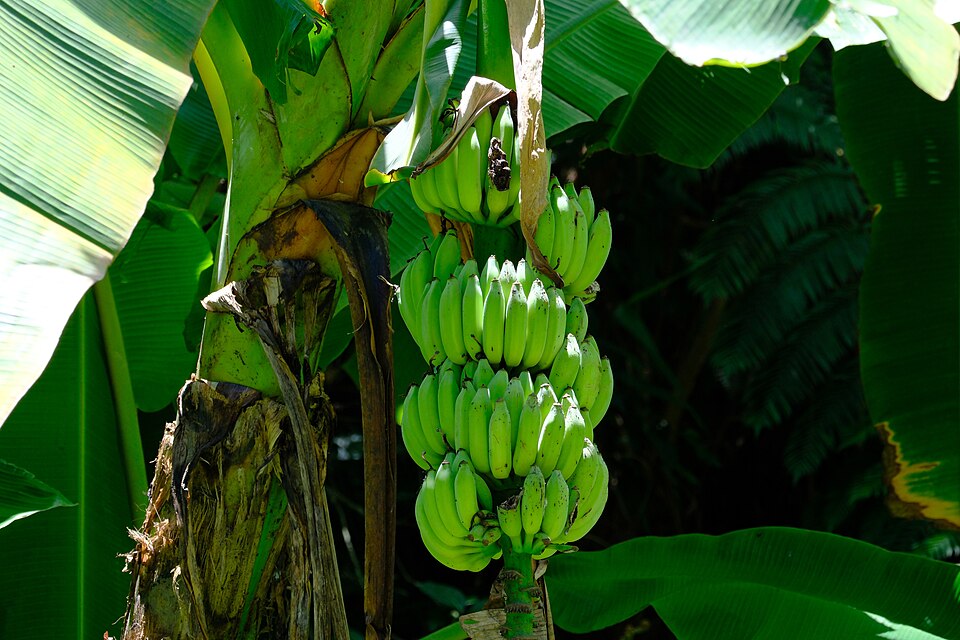
Source: WikipediaMusa balbisiana, also known simply as plantain, is a wild-type species of banana. It is one of the ancestors of modern cultivated bananas, along with Musa acuminata.
Description
A banana.
This description is brief — help expand it
Edible Uses
It is assumed that wild bananas were cooked and eaten, as farmers would not have developed the cultivated banana otherwise. Seeded Musa balbisiana fruit are called butuhan ('with seeds') in the Philippines, and kluai tani (กล้วยตานี) in Thailand, where its leaves are used for packaging and crafts. Natural parthenocarpic clones occur through polyploidy and produce edible bananas, examples of which are wild saba bananas.
Traditional Uses
The flowering shoot is eaten boiled or fried and used as pickles.
This uses section is brief — help expand it
Distribution
It is a subtropical plant.
Where It Grows
Asia, India, Northeastern India,
Synonyms
Also Known As
Tumbu
References (1)
- Khodram,S. D., et al, 2019, Local knowledge of edible flowers used in Mizoram. Indian Journal of Traditional Knowledge Vol 18(40 pp 715-723