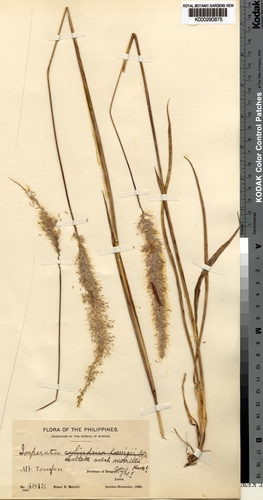
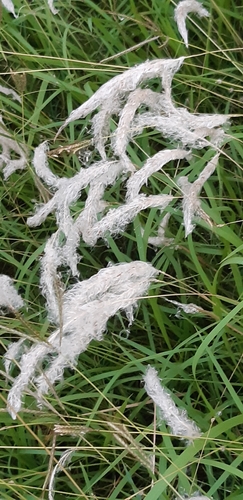
Bambusa heterostachya
(Munro) Holttum
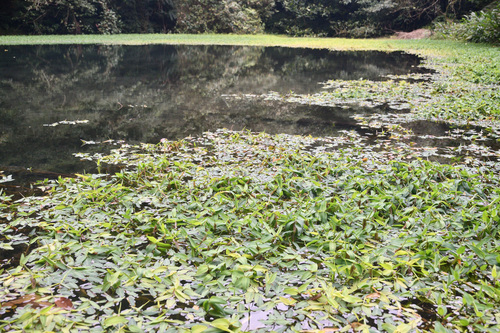
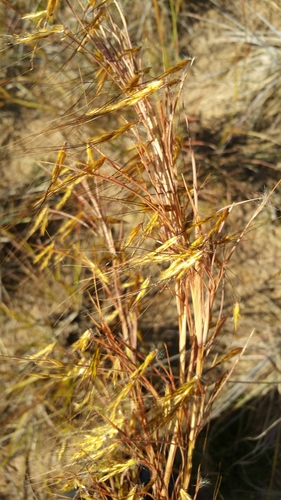
iNaturalist· cc-by-nc-sa
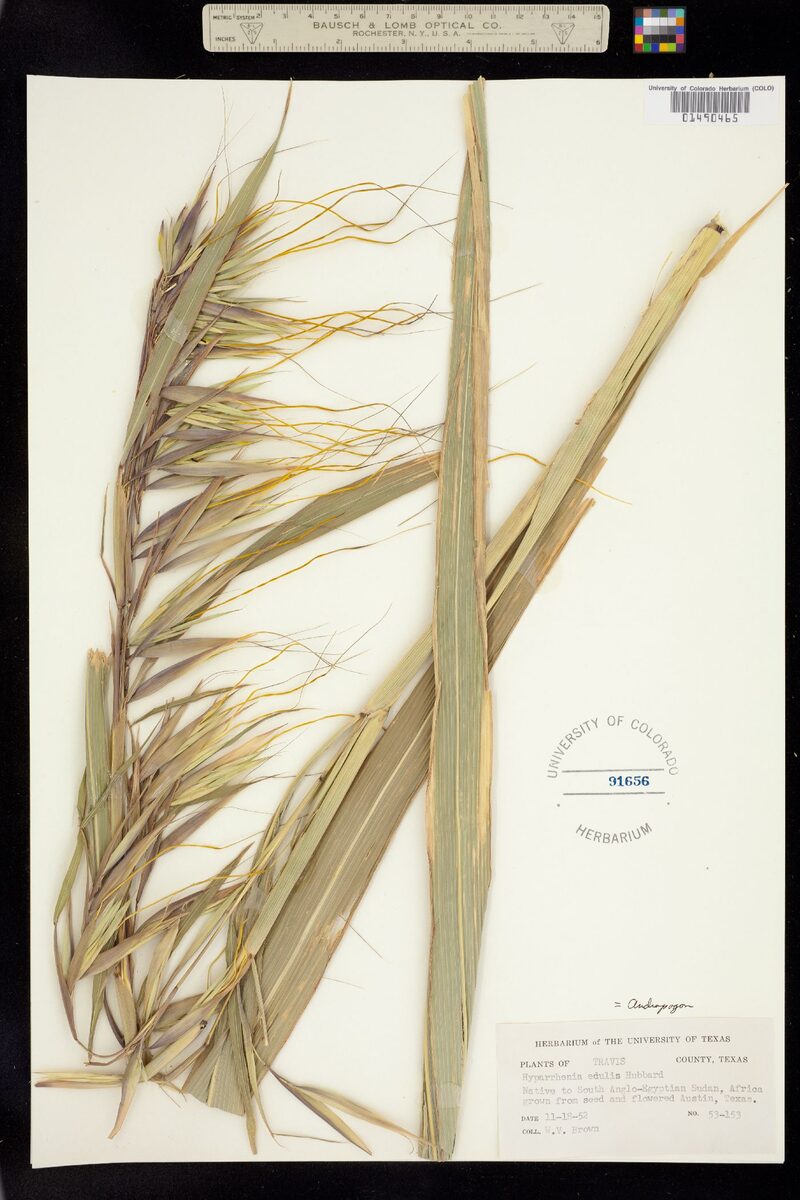
(c) Smithsonian Institution, National Museum of Natural History, Department of Botany, some rights reserved (CC BY-NC-SA)
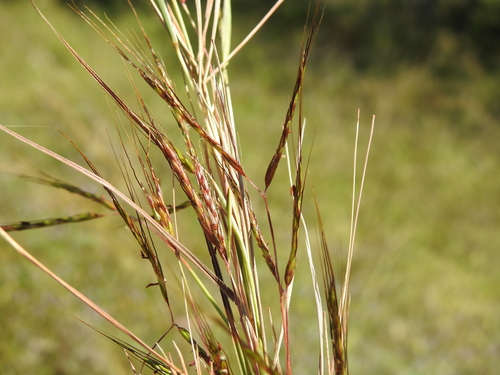
wikimedia· cc-by-sa
Wikimedia Commons - Yercaud-elango
wikimedia· cc-by-sa
Wikimedia Commons - Yercaud-elango
Summary
Bambusa heterostachya is a fast-growing evergreen bamboo reaching 8 m tall with a 4 m spread, displaying a slightly weeping habit. Hardy to UK zone 9, wind-pollinated. Tolerates light sandy, medium loamy, and heavy clay soils with good drainage across mildly acidic to mildly alkaline pH. Can grow in semi-shade to full sun and prefers moist soil.
Description
Bambusa heterostachya is a fast-growing evergreen bamboo reaching 8 m tall with a 4 m spread, displaying a slightly weeping habit. Hardy to UK zone 9, wind-pollinated. Tolerates light sandy, medium loamy, and heavy clay soils with good drainage across mildly acidic to mildly alkaline pH. Can grow in semi-shade to full sun and prefers moist soil.
Edible Uses
None known
Traditional Uses
The shoots are cooked and eaten.
This uses section is brief — help expand it
Medicinal Uses
None known
Distribution
It is a tropical plant.
Where It Grows
Asia, Malaysia, SE Asia,
Cultivation
The plant seems well adapted to a humid tropical lowland climate without a strict dry season. Bamboos have an interesting method of growth. Each plant produces a number of new stems annually - these stems grow to their maximum height in their first year of growth, subsequent growth in the stem being limited to the production of new side branches and leaves. In the case of some mature tropical species the new stem could be as much as 30 metres tall, with daily increases in height of 30cm or more during their peak growth time. This makes them some of the fastest-growing species in the world. Bamboos in general are usually monocarpic, living for many years before flowering, then flowering and seeding profusely for a period of 1 - 3 years before usually dying.
Propagation
Seed - surface sow in containers as soon as it is ripe, preferably at a temperature around 20c. Do not allow the compost to dry out. Germination usually takes place fairly quickly so long as the seed is of good quality, though it can take 3 - 6 months. Prick out the seedlings into containers when they are large enough to handle and grow on in a lightly shaded place until large enough to plant out. Plants only flower at intervals of many years and so seed is rarely available. Division as new growth commences. Take divisions with at least three canes in the clump, trying to cause as little root disturbance to the main plant as possible. Grow them on in light shade in pots of a high fertility sandy medium. Mist the foliage regularly until plants are established. Plant them out into their permanent positions when a good root system has developed, which can take a year or more. Plants can be propagated vegetatively by rhizome, culm and branch cuttings. The propagules are raised in a nursery and after they have produced roots and developed rhizomes they are planted out in the field during the rainy season in pits filled with a mixture of compost and soil.
Other Uses
Basketry Biomass Shelterbelt String An ornamental bamboo with a slightly weeping growth habit used as a living screen for privacy, as a windbreak and noise barrier. A great shade provider in an outdoor landscape.. Strips of the culm are used to make baskets and as tying material (e.g. to attach coconuts). The strong, straight, medium-sized culms are used as poles to harvest fruits and to pollinate flowers of oil palm. Special Uses Carbon Farming Food Forest
Synonyms
References (1)
- Ong, H. C., Mojiun, P. F. J., & Milow, P., 2011, Traditional knowledge of edible plants among the Temuan villagers in Kampung Guntor, Negeri Sembilan, Malaysia. African Journal of Agricultural Research Vol. 6(8), pp. 1962-1965, 18 April, 2011 (As Gigantochloa heterostachya)