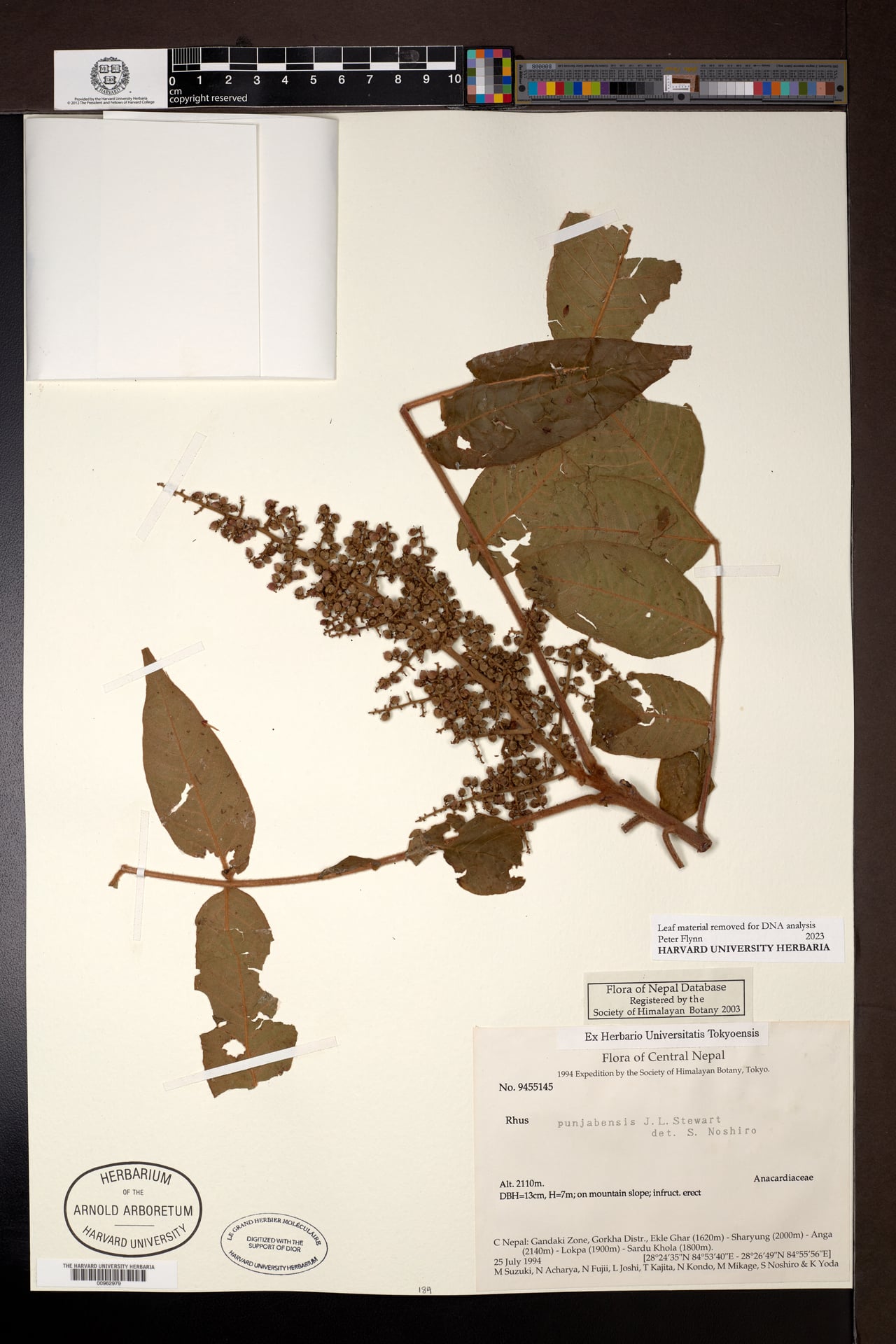
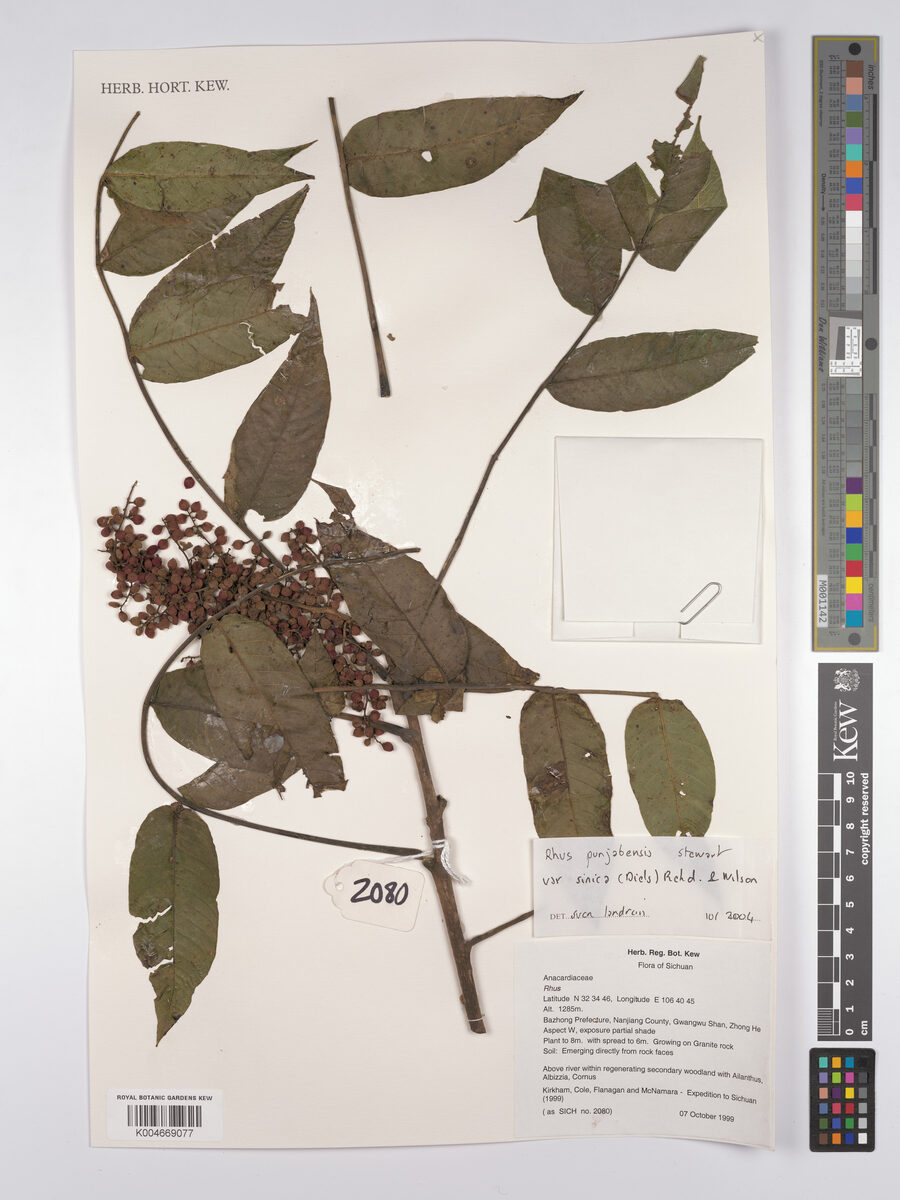
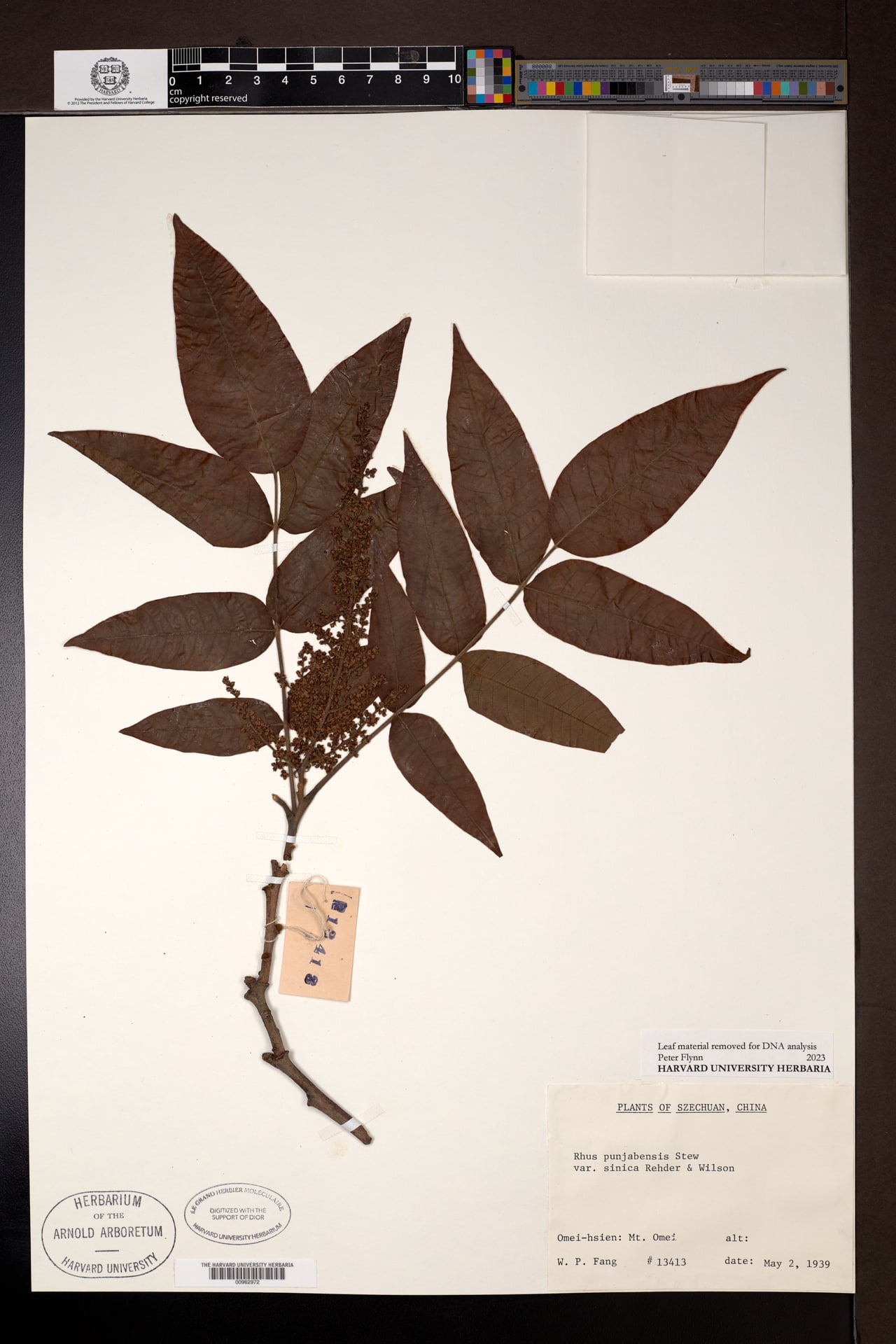
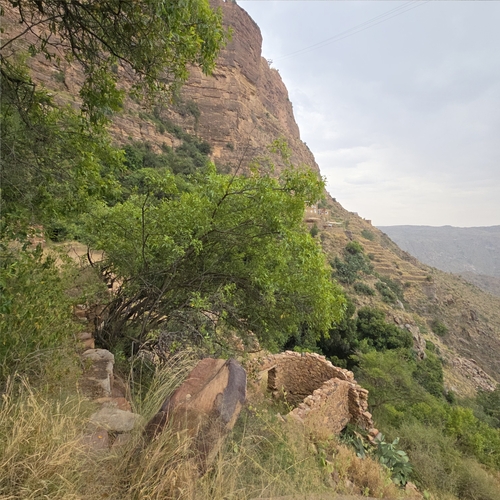
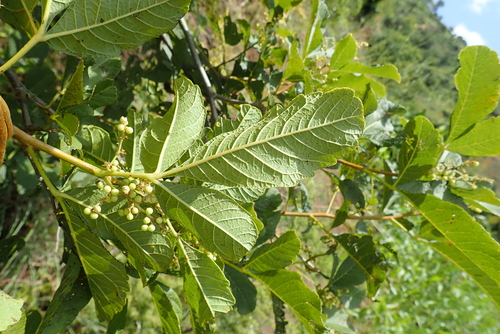
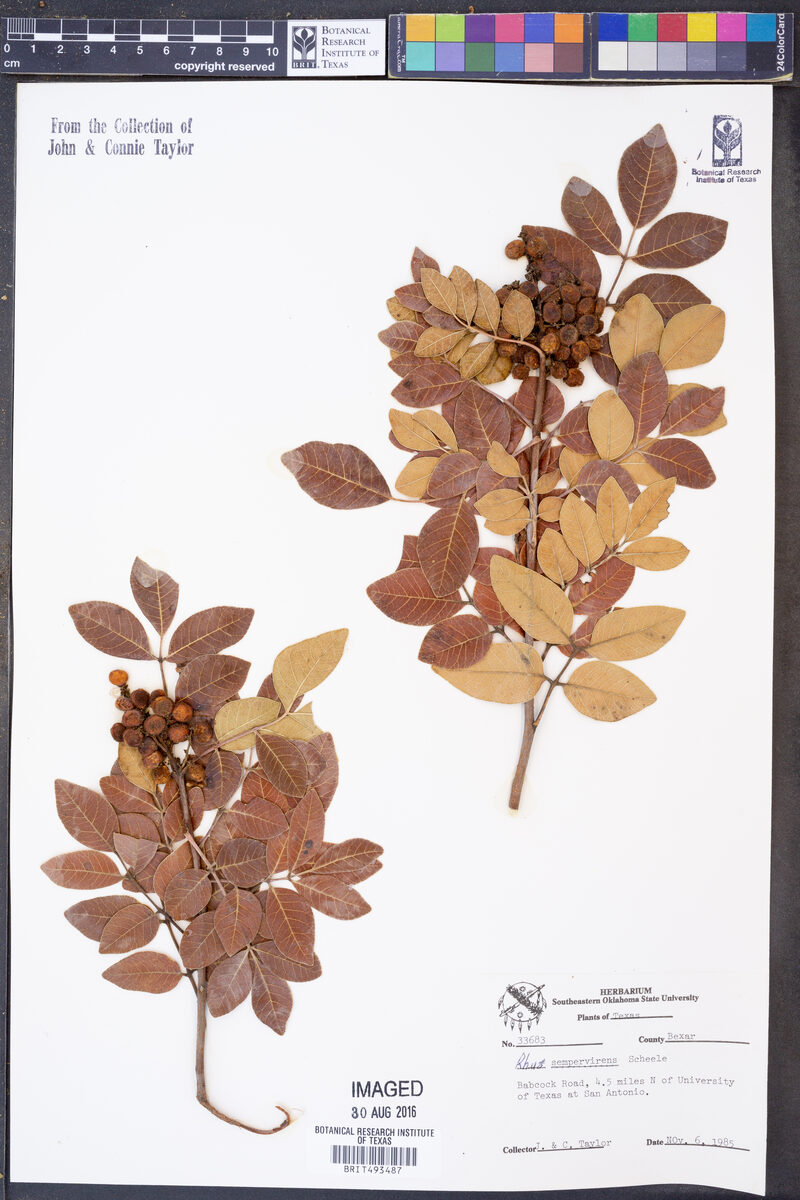
Rhus mysorensis
G. Don
iNaturalist· cc-by
(c) Ravuri Krishna Chaitanya, some rights reserved (CC BY)
iNaturalist· cc-by
(c) Ravuri Krishna Chaitanya, some rights reserved (CC BY)
iNaturalist· cc-by
(c) Raja Sekhar Chimirala, some rights reserved (CC BY)
Description
A tropical shrub in the Anacardiaceae family that produces edible fruit.
This description is brief — help expand it
Edible Uses
The fruit is edible.
Medicinal Uses
Phytochemical screening of the plant has identified the presence of several chemical constituents, including cardiac glycosides, saponins, flavonoids, tannins, alkaloids, sterols, and phenols. The plant contains compounds such as limonene, sabinene, α-pinene, β-caryophyllene, as well as α- and β-eudesmol. The fruit is used to treat dysentery, and a leaf decoction is administered for itching. Leaves are also used in managing diarrhea and stomatitis, while leaf paste is applied to relieve rashes and allergies. The root, stem, and leaves have been traditionally used to manage diabetes.
Distribution
It is a tropical plant.
Where It Grows
Asia, India,
Notes
The name is ambiguous.
Also Known As
Amani, Amboni
References (1)
- Datar, M. N. & Upadhye, A. S., 2015, Forest foods of Northern Western Ghats: Mode of Consumption, Nutrition, and Availability. Asian Agri-History Vol. 19, No. 4, 2015 (293–316)