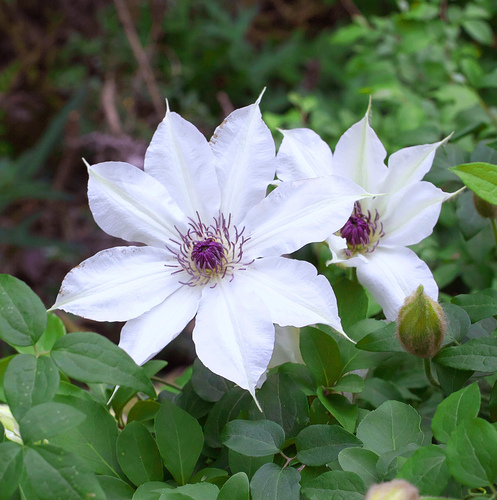
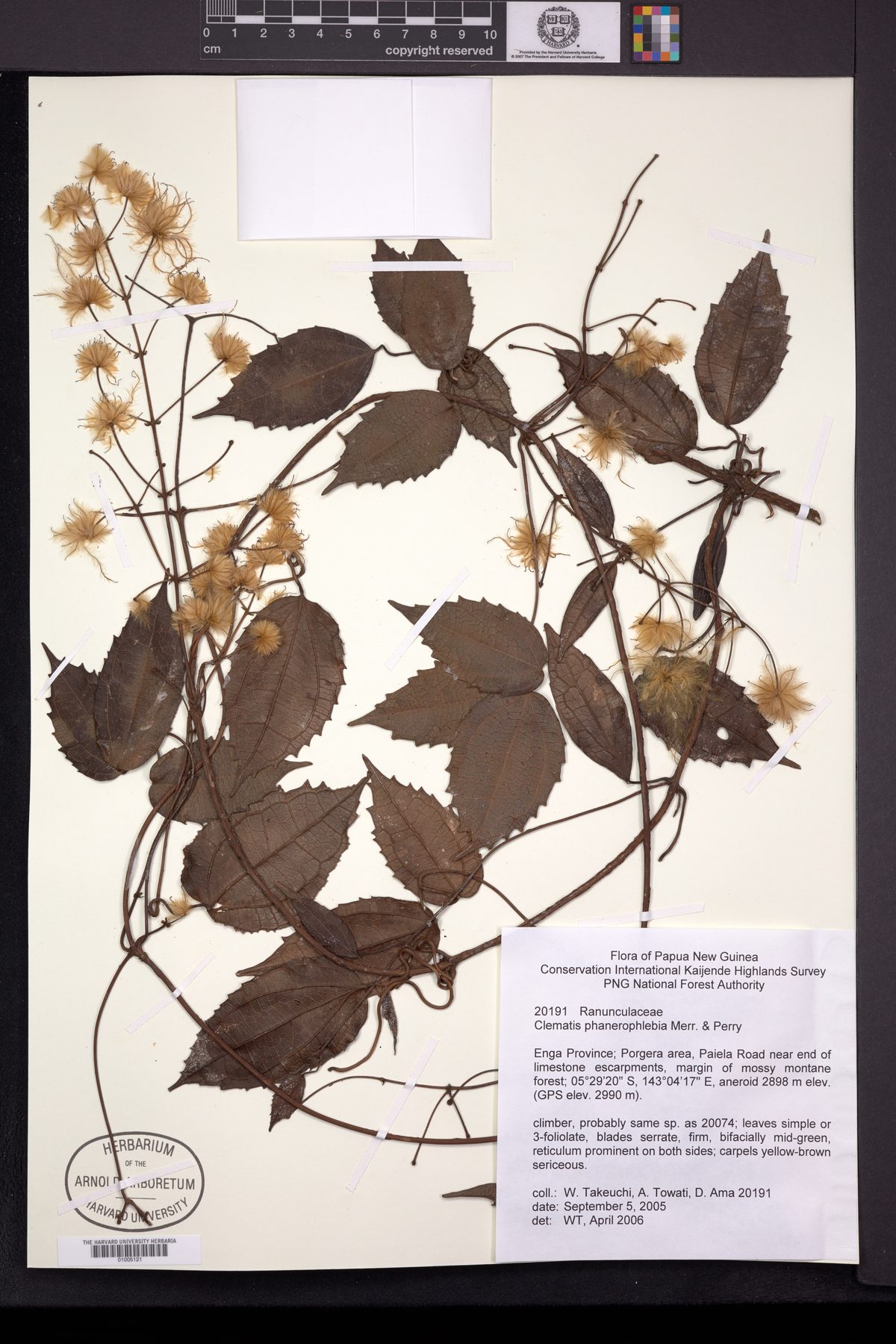
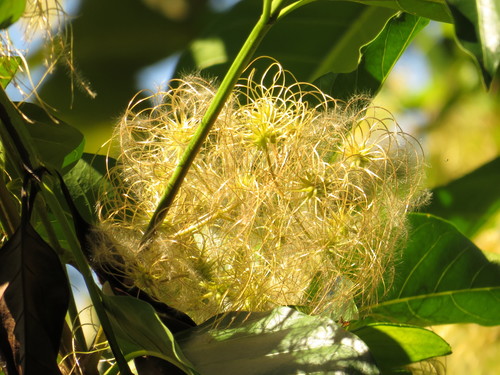
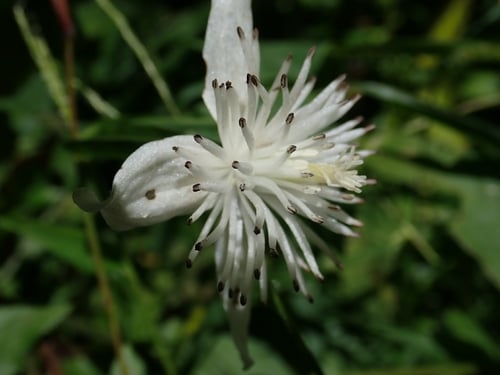
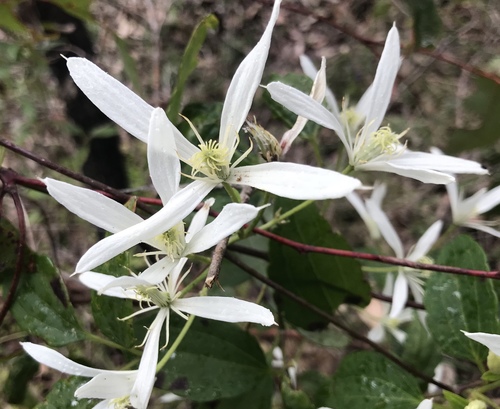
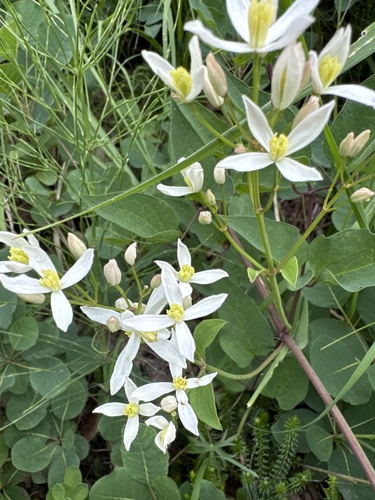
Ranunculus kochii
Ledeb.
wikimedia· cc-by-sa
Wikimedia Commons - Averater
wikimedia· cc-by-sa
Wikimedia Commons - Averater
Summary
A compact perennial buttercup growing only 10cm tall, hardy to UK zone 6. Flowers appear April through June. Hermaphroditic flowers are insect-pollinated. Grows in light sandy, medium loamy, and heavy clay soils with mildly acidic to basic pH. Requires full sun and prefers well-drained, moist soil.
Description
A compact perennial buttercup growing only 10cm tall, hardy to UK zone 6. Flowers appear April through June. Hermaphroditic flowers are insect-pollinated. Grows in light sandy, medium loamy, and heavy clay soils with mildly acidic to basic pH. Requires full sun and prefers well-drained, moist soil.
Edible Uses
Young stems and petals are both edible, though no further preparation details are recorded. Caution is advised for both uses due to the plant's toxicity.
Medicinal Uses
None known.
Known Hazards
Although no specific record of toxicity has been found for this plant, many if not all members of this genus are poisonous. These toxins can be destroyed by heat or by drying[4, 10, 13, 19, 62, 65]. Many if not all plants in this genus also have a strongly acrid juice that can cause blistering to the skin.
Distribution
It is a temperate plant.
Where It Grows
Turkey, Türkiye,
Cultivation
Prefers a moist loamy soil. A greedy plant, inhibiting the growth of nearby plants, especially legumes.
Propagation
Sow seed in spring in a cold frame. Prick seedlings out into individual pots once large enough to handle, and plant out during summer. Can also be propagated by division in spring.
Other Uses
None known.
Synonyms
Also Known As
Karcicegi
References (1)
- Ertug, F, Yenen Bitkiler. Resimli Türkiye Florası -I- Flora of Turkey - Ethnobotany supplement