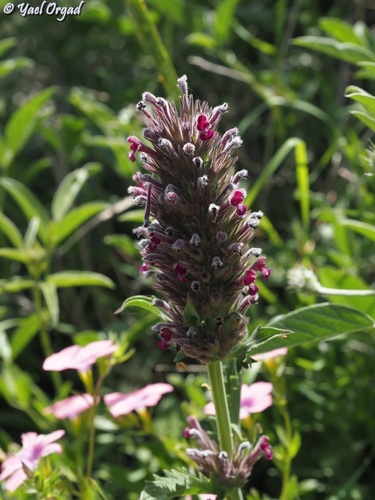
Thymus comptus
Friv.
iNaturalist· cc-by-nc
(c) Felix Riegel, some rights reserved (CC BY-NC)
iNaturalist· cc-by-nc
(c) Felix Riegel, some rights reserved (CC BY-NC)
iNaturalist· cc-by-nc
(c) Felix Riegel, some rights reserved (CC BY-NC)
Description
A herb. The leaves are 9-15 mm long. They are narrow and have a few hairs. The flowering stems are 15 cm long. The flowers are red.
This description is brief — help expand it
Edible Uses
The leaves are edible.
Medicinal Uses
Thyme is packed with phytonutrients, vitamins and minerals. Thyme species such as T. fedtschenkoi, T. pubescens, and T. transcaucasicus have large amounts of the essential oils thymol and carvacrol. These Thymus species are used for herbal tea, spice, and medicine. The therapeutic effect of thyme is largely attributed to these essential oils belonging to the terpenoids family. Thyme is considered amongst the most consequential medicinal plants due to its substantial amount of bioactive compounds. Thyme has been used to treat diabetes, cold and chest infections, and coughs. In conventional Korean medicine, T. quinquecostatus Celak has been used to treat cancer, hepatic disease, and constipation.
Distribution
It is a temperate plant.
Where It Grows
Europe, Greece, Turkey, Türkiye,
Synonyms
Also Known As
Bogumlu kekik
References (1)
- Ertug, F, Yenen Bitkiler. Resimli Türkiye Florası -I- Flora of Turkey - Ethnobotany supplement