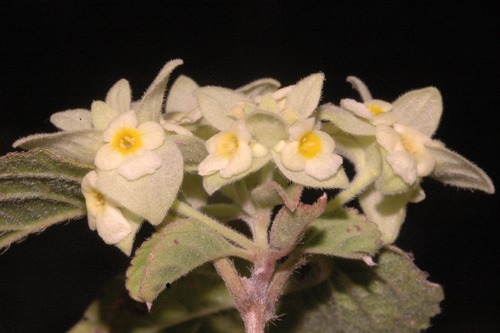
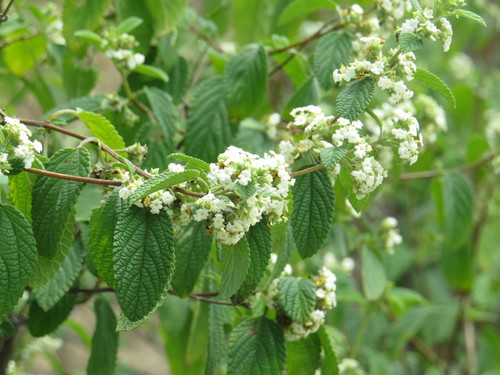
Aloysia deserticola
(Phil.) Lu-Irving & O'leary
Rika rika
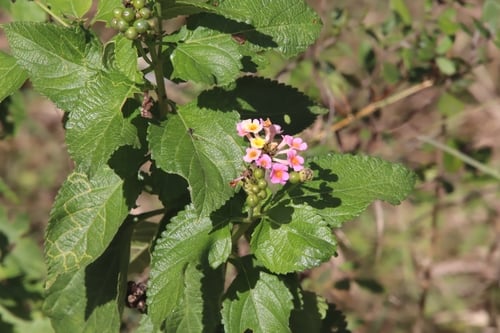
iNaturalist· cc-by
(c) Nolan Exe, some rights reserved (CC BY), uploaded by Nolan Exe
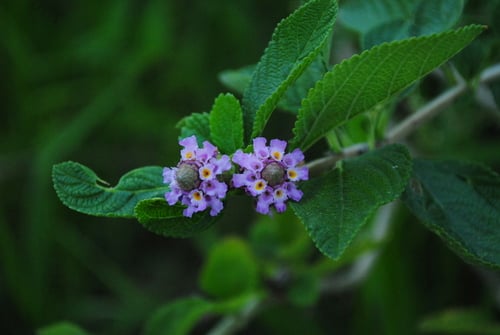
iNaturalist· cc-by-nc
(c) Sebastian nvm, some rights reserved (CC BY-NC), uploaded by Sebastian nvm
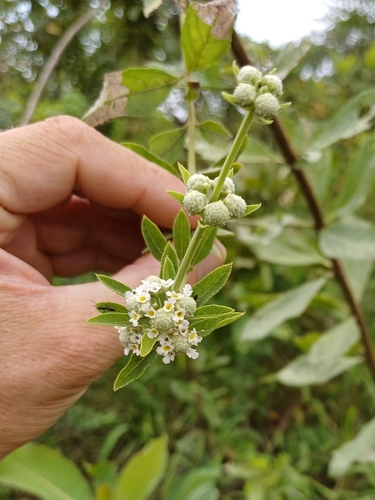
iNaturalist· cc-by-nc
(c) lougarou, some rights reserved (CC BY-NC), uploaded by lougarou
Summary
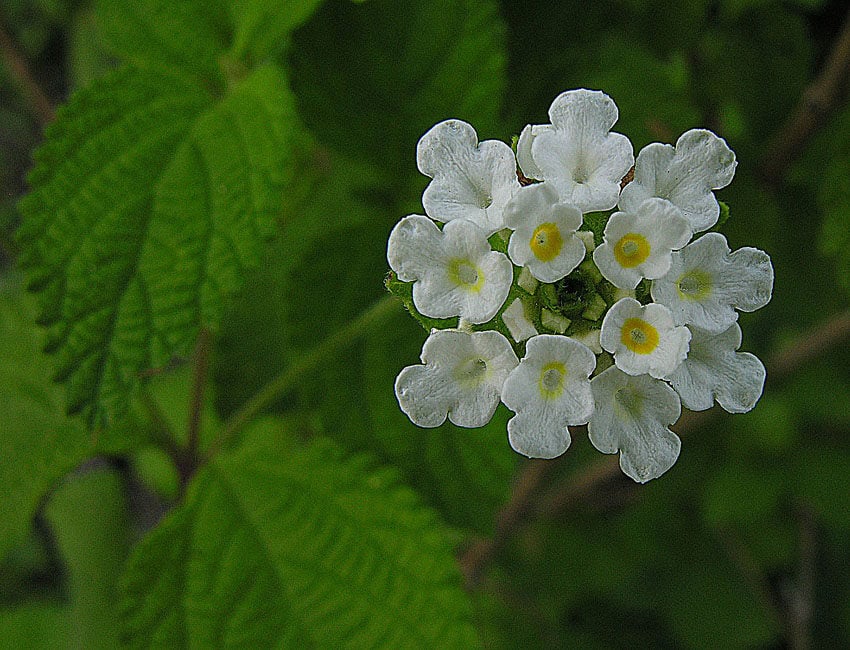
Source: WikipediaAloysia deserticola, also known as rica-rica or kore, is an aromatic shrub that is endemic to the Andean Altiplano, concentrated in the Chilean regions of Arica y Parinacota, Tarapacá, and Antofagasta.
Description
A shrub. It grows 1.2 m tall. It has many branches. The fruit are 3-4 mm long.
This description is brief — help expand it
Edible Uses
The leaves are used as a flavouring for seasoning and drinks.
Traditional Uses
It is used for seasoning and for drinks.
This uses section is brief — help expand it
Medicinal Uses
In Northern Chilean cuisine, rica-rica is frequently used as an aromatic herb. It is used as a condiment, spice, and in the preparation of herbal infusions. Its leaves and branches are also dried and used to season food, as flavorings for mate and tea, as part of the drink known as a "rica-rica sour," and for making artisanal ice cream. In traditional medicine in communities such as San Pedro de Atacama, Toconce, Socaire, and Ollagüe, rica-rica is used to treat indigestion, as an antispasmodic that targets the symptoms of stomach problems. An infusion of its leaves is also used to treat circulatory and kidney problems.
Distribution
It is a temperate plant.
Where It Grows
Chile, South America,
Cultivation
It is grown from seeds.
References (2)
- Cordero, S. E., Abello, L. A., & Galvez, F. L., 2017, Plantas silvestres comestibles y medicinales de Chile y otras partes del mundo. CORMA
- Leon-Lobos, P., et al, 2022, Patterns of Traditional and Modern Uses of Wild Edible Native Plants of Chile: Challenges and Future Perspectives. Plants (Basel) v 11 (6) Table S1