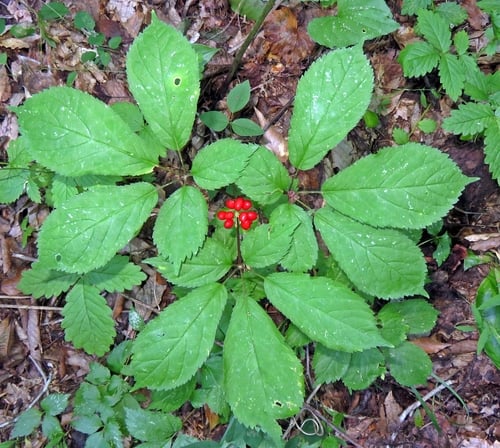
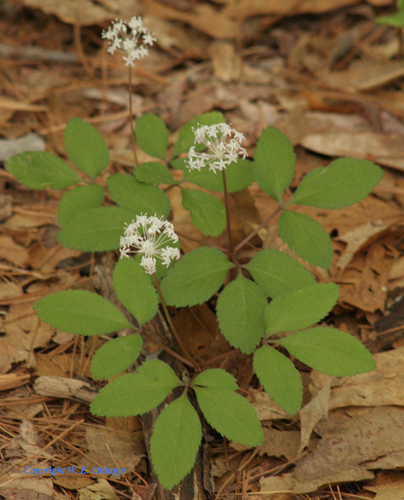
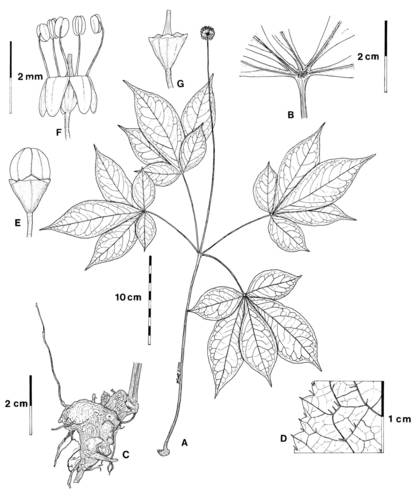
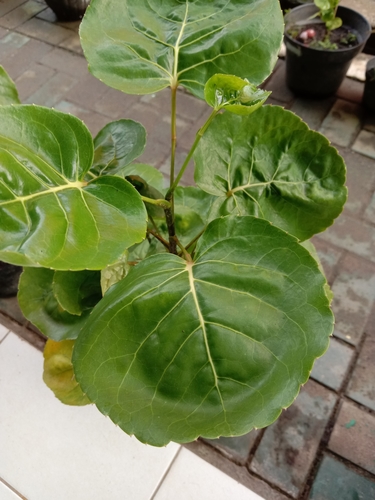
Hydrocotyle rotundifolia
Roxb.
iNaturalist· cc-by-nc
(c) Neptune, some rights reserved (CC BY-NC)
iNaturalist· cc-by-nc
(c) Neptune, some rights reserved (CC BY-NC)
iNaturalist· cc-by-nc
(c) Neptune, some rights reserved (CC BY-NC)
Description
A tropical herb in the Araliaceae family (sometimes classified in Apiaceae), found in tropical regions.
This description is brief — help expand it
Edible Uses
The leaves are edible.
Medicinal Uses
Many tribes in the world use H. sibthorpioides to treat fever, edoema, dysentery, rheumatalgia, whooping cough, jaundice, throat discomfort, psoriasis, herpes zoster infection, hepatitis-B infection, calming pain, dysmenorrhoea, and carbunculosis. In Assam, it is also employed as a hepatoprotective agent, a brain tonic, and a detoxifying agent. Bengali villagers use the entire plant for bone fractures. Extracts of this plant have been found to be free from toxicity up to a dose of 2000 mg/kg in rats. In Chinese traditional medicine, it is known as Jiangxi Jinqiancao.
Known Hazards
The phytoconstituents of H. sibthorpioides have shown a wide range of therapeutic utility, although pharmacological use is only justified if it has a satisfactory safety profile. There is no indication that the plant or its extracts have ever been tested in a clinical experiment. Following OECD standards 425, Hazarika et al. (2019) conducted a preclinical acute toxicity investigation on several extracts of H. sibthorpioides using albino rats, and found that the LD50 was larger than 2000 mg/kg of body weight.
Distribution
It is a tropical plant.
Where It Grows
Asia, Bangladesh,
Notes
Also put in the family Apiaceae.
Also Known As
Gimashak
References (1)
- Hossain, U. & Rahman, A., 2018, Study and quantitative analysis of wild vegetable floral diversity available in Barisal district, Bangladesh. Asian J. Med. Biol. Res. 2018, 4 (4), 362-371