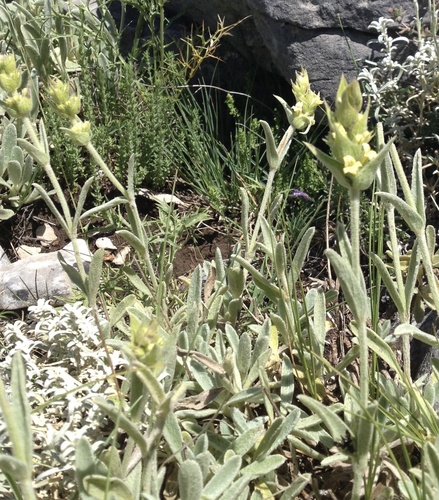
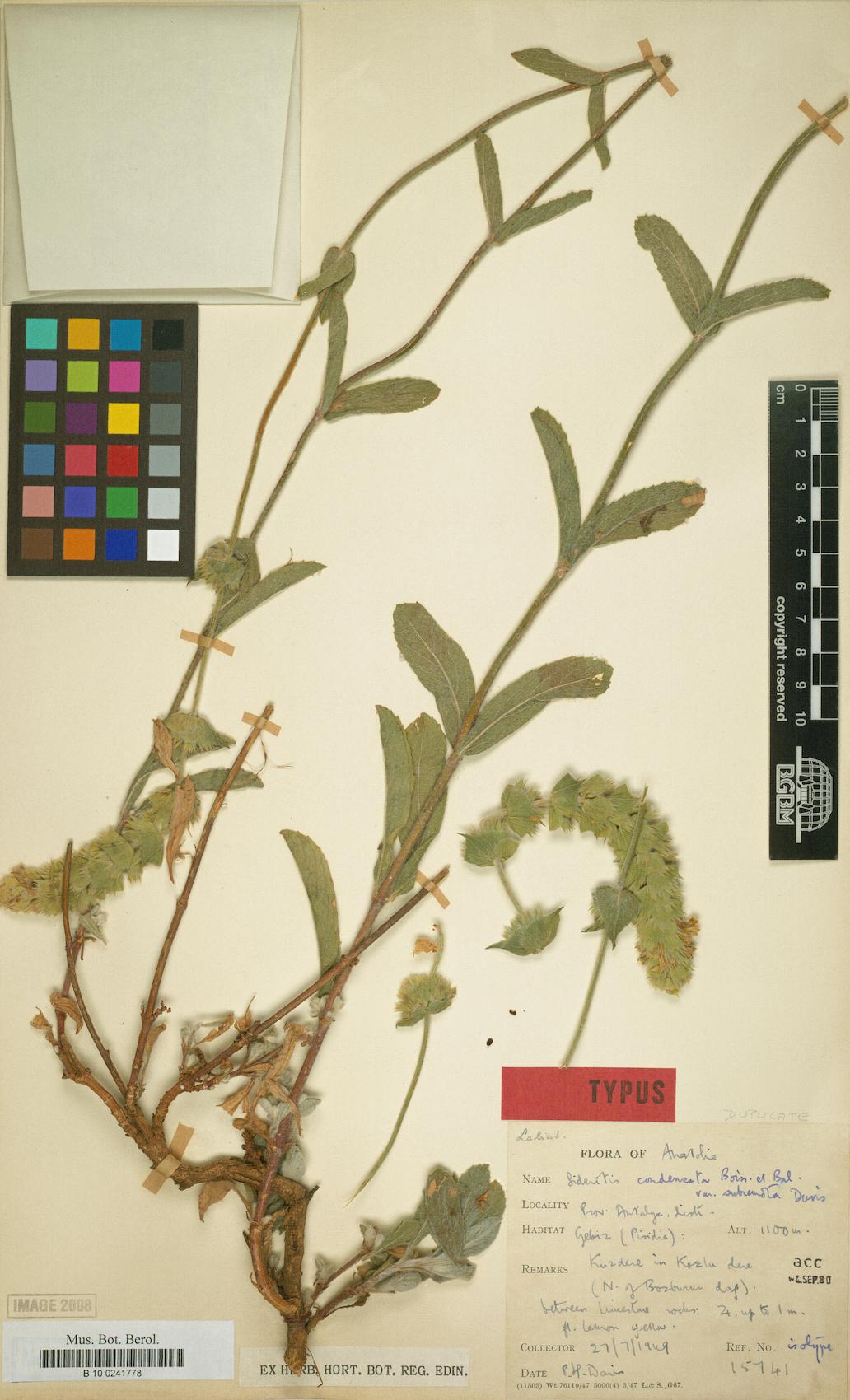
Clinopodium umbrosum
(M. Bieb.) Kuntze
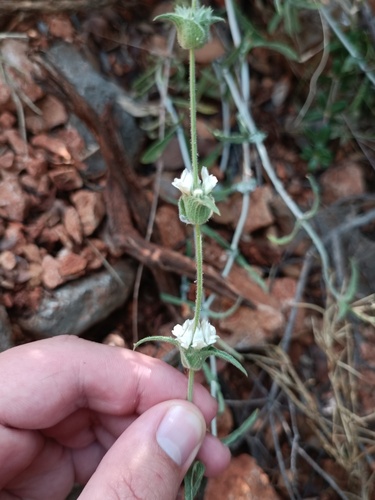
iNaturalist· cc-by
(c) Siddarth Machado, some rights reserved (CC BY), uploaded by Siddarth Machado
iNaturalist· cc-by-nc
(c) piedbird, some rights reserved (CC BY-NC)
iNaturalist· cc-by-nc
(c) connk, some rights reserved (CC BY-NC)
Summary
Perennial growing to 0.6 m tall, hardy to UK zone 7. Flowers from August to October with seeds ripening September to October. Hermaphroditic and insect-pollinated. Grows in light sandy and medium loamy well-drained soils with mildly acidic, neutral, or basic pH. Tolerates semi-shade or full sun and prefers moist soil.
Description
Perennial growing to 0.6 m tall, hardy to UK zone 7. Flowers from August to October with seeds ripening September to October. Hermaphroditic and insect-pollinated. Grows in light sandy and medium loamy well-drained soils with mildly acidic, neutral, or basic pH. Tolerates semi-shade or full sun and prefers moist soil.
Edible Uses
No edible uses are known for this plant.
Traditional Uses
The leaves are used for flavouring small fish.
This uses section is brief — help expand it
Medicinal Uses
The plant is used as a vulnerary — the juice pressed from the leaves is applied directly to cuts and wounds.
Distribution
It is a subtropical plant.
Where It Grows
Asia, India, Nepal, Northeastern India, Sikkim,
Propagation
Seed — sow in spring in a cold frame, barely covering the seed. Germination typically occurs within 2 weeks at 21°c. Once seedlings are large enough to handle, prick them out into individual pots and grow on in the greenhouse. Plant out in summer if growth is sufficient, otherwise wait until late spring or early summer of the following year. Divide clumps in spring — larger clumps can go directly into permanent positions, while smaller ones are best potted up in a cold frame until rooting well, then planted out in summer or the following spring. Softwood cuttings can be taken in May or June.
Other Uses
The plant yields an essential oil, though no further details are given.
Synonyms
Also Known As
Berai, Jerai
References (2)
- Ethnobotany of Karbis. Chapter 4 in p 107 (As Calamintha umbrosa)
- Teron, R. & Borthakur, S. K., 2016, Edible Medicines: An Exploration of Medicinal Plants in Dietary Practices of Karbi Tribal Population of Assam, Northeast India. In Mondal, N. & Sen, J.(Ed.) Nutrition and Health among tribal populations of India. p 152 (As Calamintha umbrosa)