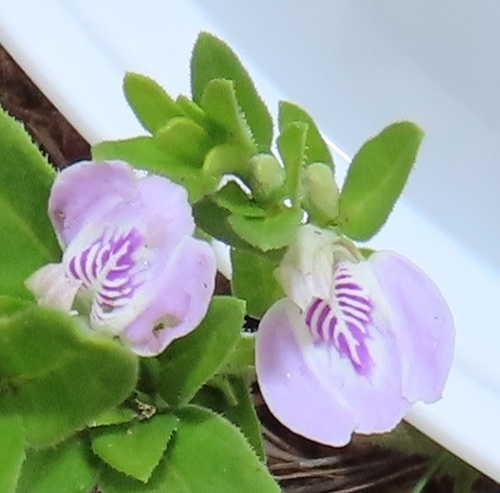
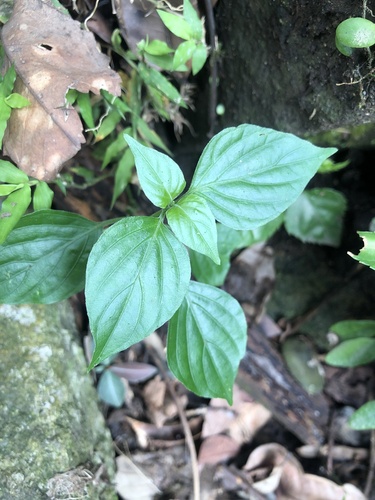
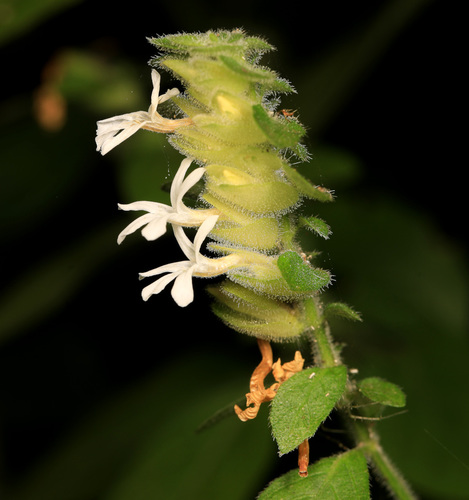
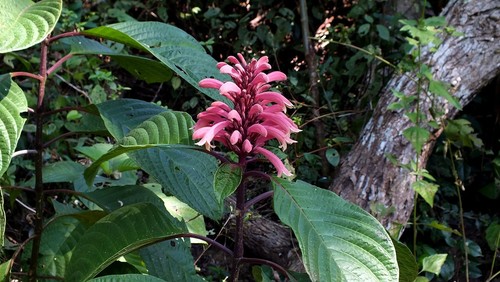
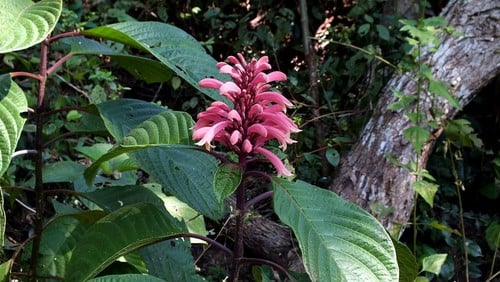
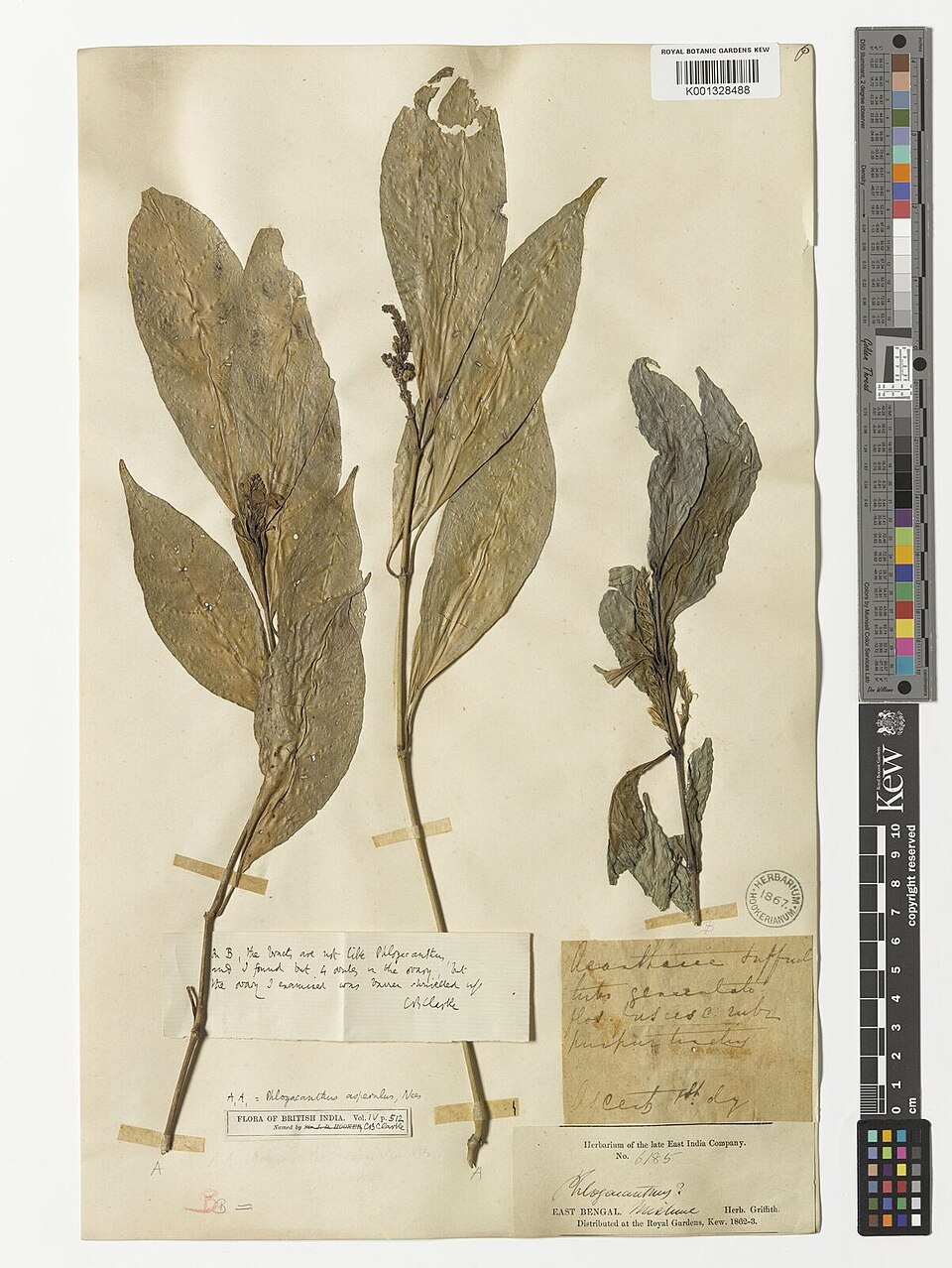
Thunbergia laurifolia
Lindl.
iNaturalist· cc-by-nc-sa
(c) brian fisher, some rights reserved (CC BY-NC-SA), uploaded by brian fisher
iNaturalist· cc-by-nc
(c) Tarak Samanta, some rights reserved (CC BY-NC)
Summary
Source: WikipediaThunbergia laurifolia, the laurel clockvine or blue trumpet vine, is native to India and Thailand and the Indomalayan realm, the species occurs from Indochina to Malaysia.
Description
A tropical woody climber with oblong to sword-shaped leaves.
This description is brief — help expand it
Edible Uses
The leaves are eaten.
Medicinal Uses
In Malaysia, juice from crushed leaves of T. laurifolia are taken for menorrhagia, placed into the ear for deafness, and applied for poulticing cuts and boils. In Thailand, leaves are used as an antipyretic, as well as for detoxifying poisons. It is locally known as akar tuau in Malaysia and rang jeud (รางจืด) in Thailand. Several Thai herbal companies have started producing and exporting rang jeud tea. T. laurifolia is used in Thailand for patients in drug addiction treatment, and two studies on lab rats show T. laurifolia may stimulate dopamine production.
Distribution
It is a tropical plant.
Where It Grows
Asia, Caribbean, Dominica, Malaysia*, SE Asia, Thailand,
Synonyms
Also Known As
Rangjurd
References (1)
- Jiwajinda, S., et al, 2002, Suppressive Effects of Edible Thai Plants on Superoxide and Nitric Oxide Generation. Asian Pacific Journal of Cancer Prevention, Vol 3, 2002