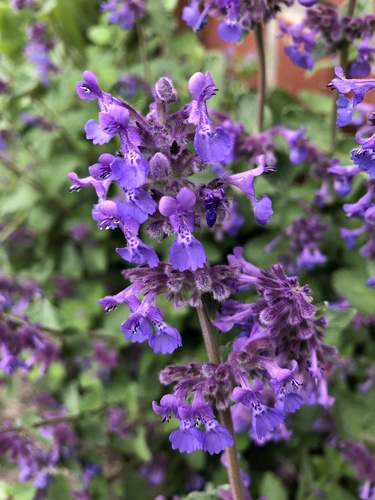
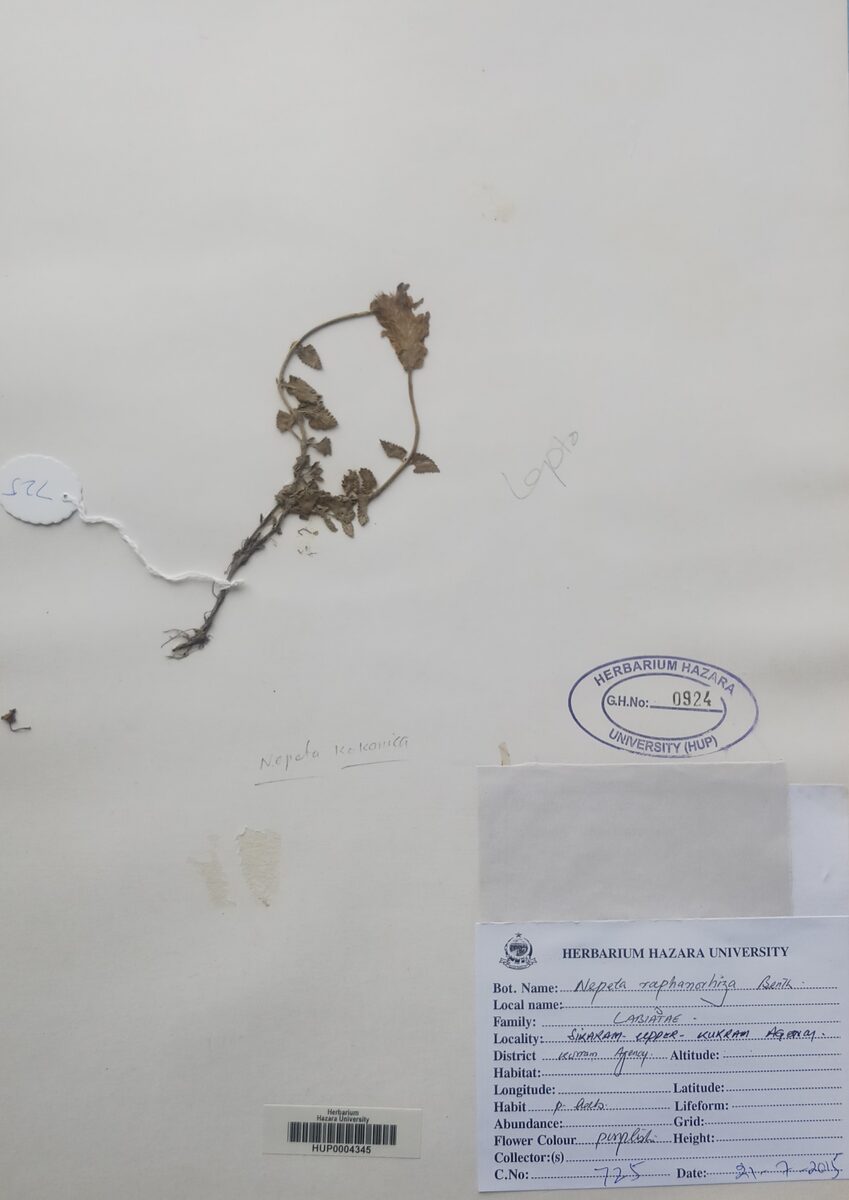
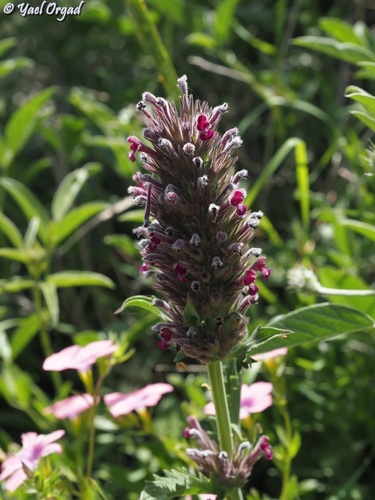
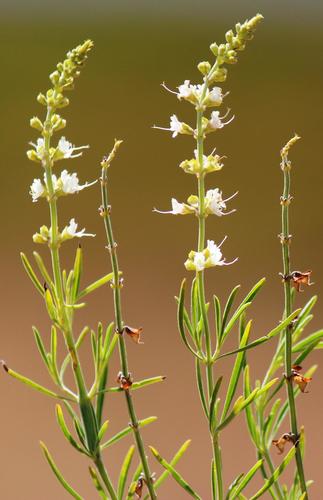
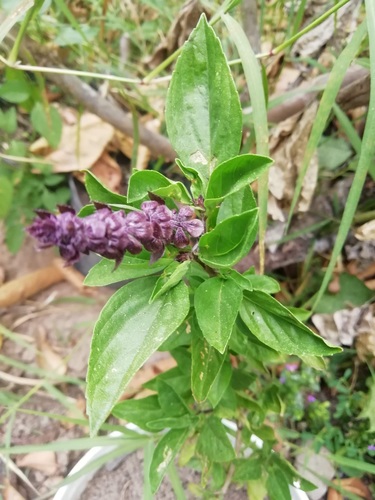
Satureja spicigera
(K. Koch) Boiss.
iNaturalist· cc-by-sa
(c) peganum, some rights reserved (CC BY-SA)
iNaturalist· cc-by-nc
(c) Attila Steiner, some rights reserved (CC BY-NC)
wikimedia· cc-by-sa
Wikimedia Commons - peganum
Summary
Source: WikipediaSatureja spicigera, or the creeping savory, is a species of flowering plant in the family Lamiaceae. It is native to northeastern Turkey, the Caucasus, and northwestern Iran. A perennial prostrate shrub, hardy in USDA zones 6 through 9, it is recommended as an edging plant for rock and herb gardens. Used as a culinary herb, both fresh and dried, its flavor is similar to winter savory, Satureja montana, as it is stronger than summer savory, Satureja hortensis.
Description
Spiked savory is a spreading perennial herb growing only 10cm tall but reaching 60cm wide at a medium rate. Hardy to UK zone 7, it flowers from August to September. The plant is self-fertile and insect-pollinated, attracting wildlife. It prefers light sandy and medium loamy, well-drained soils across mildly acidic to very alkaline pH ranges and cannot grow in shade. The plant tolerates both drought and variable moisture conditions.
Edible Uses
Leaves are used raw or cooked. They have a peppery flavour — stronger than that of summer savory (S. hortensis) — and are used mainly to flavour cooked dishes, especially beans, as well as a garnish for salads. The leaves can be used fresh or dried.
Medicinal Uses
The whole herb, especially the flowering shoots, is antiseptic, aromatic, carminative, digestive, expectorant, and stomachic. Internally it is regarded as a sovereign remedy for colic and flatulence, and is also used to treat nausea, diarrhoea, bronchial congestion, sore throat, and menstrual disorders. It should not be prescribed for pregnant women. Rubbing a sprig onto bee or wasp stings brings instant relief. The plant is harvested in summer when in flower and may be used fresh or dried. The essential oil is an ingredient in scalp lotions for cases of incipient baldness, and an ointment made from the plant is applied externally to relieve arthritic joints.
Distribution
It is a temperate plant.
Where It Grows
Caucasus, Georgia, Turkey, Türkiye,
Propagation
Surface sow seed in April in a greenhouse, keeping the compost moist. Germination can be slow and erratic but usually occurs within a month. Prick seedlings into individual pots as soon as large enough to handle. Plants can usually be set out in their permanent positions during summer; if not sufficiently developed, or in areas with cold winters, overwinter in a cold frame and plant out in late spring or early summer the following year. Half-ripe wood cuttings of 5–8 cm taken at a node in July/August can be rooted in a frame, potted up in autumn, overwintered in a frame, and planted out in late spring or early summer the following year — a high percentage usually succeed. Cuttings of young wood, preferably with a heel, taken in April/May in a frame can be planted out in summer if growth is strong, or overwintered in a cold frame and planted out the following late spring or early summer. Division in early spring as growth begins works best when soil has been mounded up into the bottom 20 cm of the plant in the previous summer. Pot up divisions and grow on in a cold frame until established before planting out in summer.
Other Uses
A good companion plant in the garden, growing especially well with onions and beans. The plant is said to inhibit the germination of certain seeds — secretions from the seeds can prevent the germination of nearby seeds. Members of this genus are rarely if ever troubled by browsing deer.
Synonyms
Also Known As
Corba kekigi, Ombalo, Trabzon kekii
References (3)
- Bussman, R. W., et al, 2021, Unity in diversity—food plants and fungi of Sakartvelo (Republic of Georgia), Caucasus. Journal of Ethnobiology and Ethnomedicine (2021) 17:72 p 9
- Ertug, F, Yenen Bitkiler. Resimli Türkiye Florası -I- Flora of Turkey - Ethnobotany supplement
- Ozbucak, T. B. et al, 2006, The Contribution of Wild Edible Plants to Human Nutrition in the Black Sea Region of Turkey. Ethnobotanical Leaflets 10: 98-103