Adenia hondala
(Gaertn.) W. J. de Wilde
iNaturalist· cc-by-nc
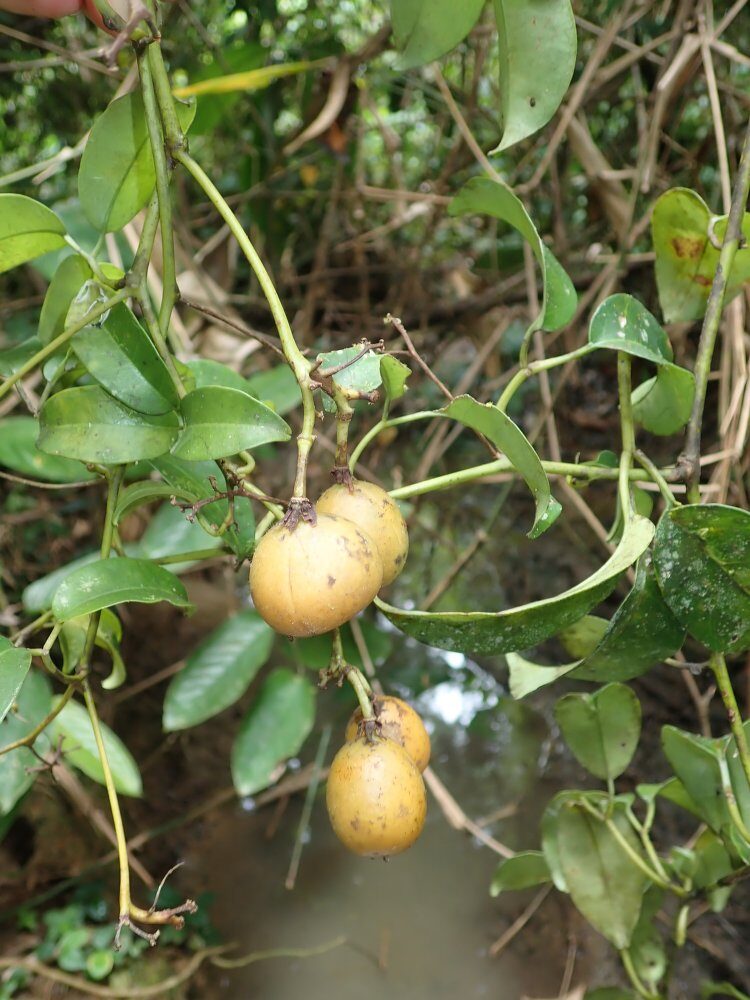
(c) Shiwalee Samant, some rights reserved (CC BY-NC), uploaded by Shiwalee Samant
iNaturalist· cc-by
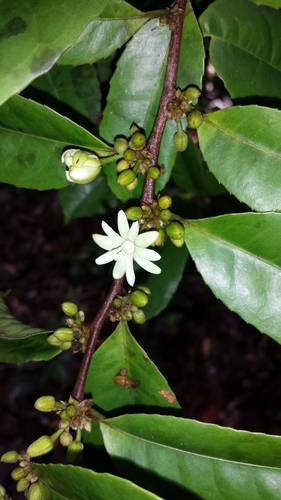
(c) Siddarth Machado, some rights reserved (CC BY), uploaded by Siddarth Machado
iNaturalist· cc-by-nc
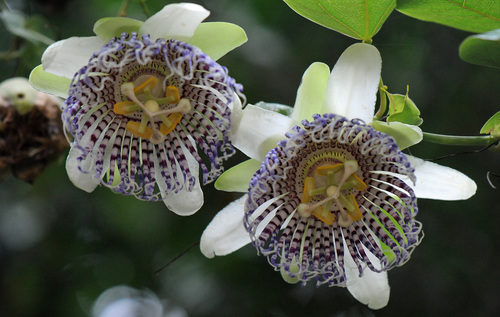
(c) Shiwalee Samant, some rights reserved (CC BY-NC), uploaded by Shiwalee Samant
Summary
Source: WikipediaAdenia hondala, commonly known as hondala is a large, tuberous, woody climber which scrambles over other plants. It is found in the Indian subcontinent, including Sri Lanka, and in southeastern Asia. The tuber and the fruit are used as herbal remedies and the plant is used as a cure for snake bites. The caterpillars of several species of butterfly feed on this plant; these include the tawny coster, the clipper, the common cruiser and the Tamil lacewing.
Description
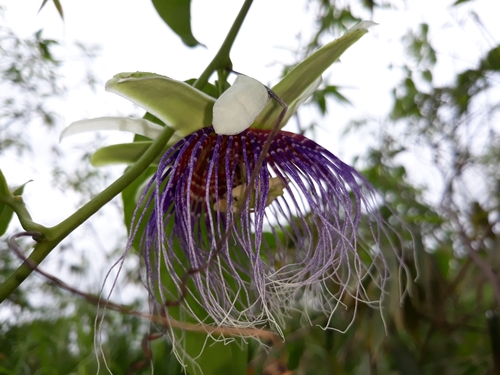
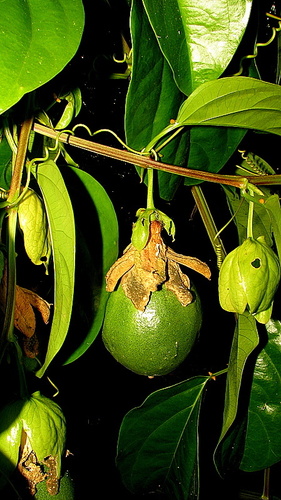
A climbing shrub. It develops a large tuber. The stems are thickened at the nodes. The leaves are alternate and have a tendril at each node. The leaves are large and divided into 3-5 lobes. The flowers have a bell shaped tube and are greenish-white. The fruit is a capsule that splits into 3 lobes.
Edible Uses
The young leaves and flowers are cooked and eaten. The tuber is also edible.
Traditional Uses
Caution: The fruit are poisonous. The young leaves and flowers are cooked and eaten.
This uses section is brief — help expand it
Known Hazards
The young shoots and leaf stalks can be cooked and eaten. The tubers, which are poisonous, have antibacterial and antimicrobial properties and are used in Ayurvedic medicine for the treatment of skin disorders and to treat hernias. The seeds are used to combat the effects of poison, and the tubers are used to make a drug known as "vidari" or "vidaari", although this pharmaceutical is also made from other plants, Ipomoea mauritiana, Pueraria tuberosa and Cycas circinalis. The plant is also used against snake bites.
Distribution
It is a tropical plant. It grows in moist deciduous forest.
Where It Grows
Asia, India, SE Asia, Sri Lanka,
Synonyms
Also Known As
Koombichapu, Salkanda, Vidari
References (5)
- Datar, M. N. & Upadhye, A. S., 2016, Forest foods of northern region of Western Ghats. MACS - Agharkar Research Institute, Pune. Pp 1-160. ISBN: 978-93-85735-10-3 p 17
- Jose, D. T. & Sasidharan, N., 2016, Checklist of wild edible plants of Aralam Wildlife sanctuary, Kerala, India. South Indian Journal Of Biological Sciences 2016; 2(1); 141‐144
- Kumar, G.M., & Shiddamallayya, N., 2014, Documentation of Wild Plant Tubers as Food Resources in Hassan District, Karnataka, International Journal of Applied Biology and Pharmaceutical Technology. 5(2) p 90
- Ratheesh Narayanan, M. K. et al, 2011, Wild edible plants used by the Kattunaikka, Paniya and Kuruma tribes of Wayanad District, Kerala, India. Journal of Medicinal Plants Research Vol. 5(15), pp. 3520-3529
- Wikipedia