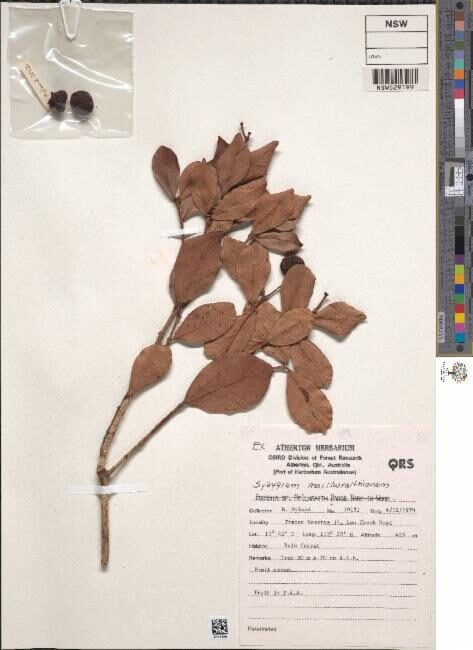
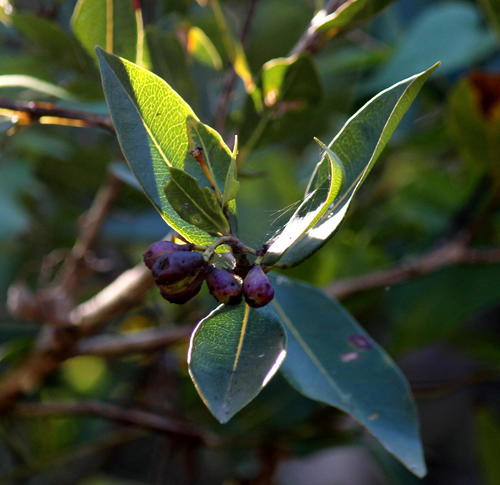
Syzygium kurzii
(Duthie) N. P. Balakr.
Bogijamuk
iNaturalist· cc-by-nc
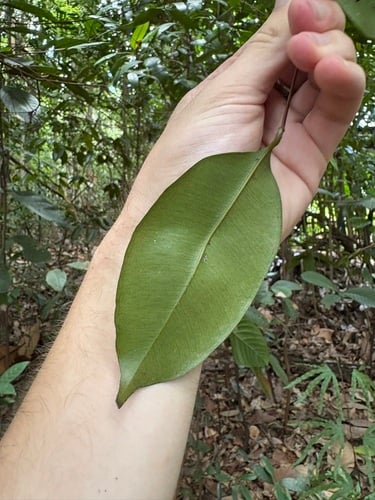
(c) Phuentsho, some rights reserved (CC BY-NC), uploaded by Phuentsho
iNaturalist· cc-by-nc
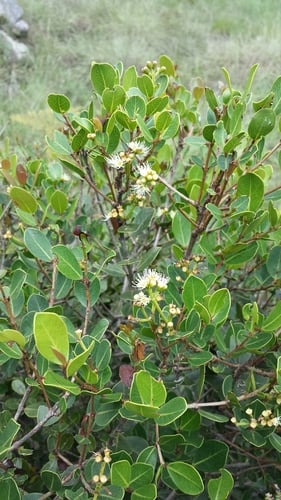
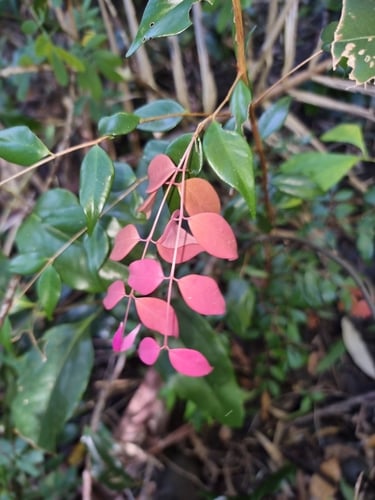
(c) Phuentsho, some rights reserved (CC BY-NC)
Description
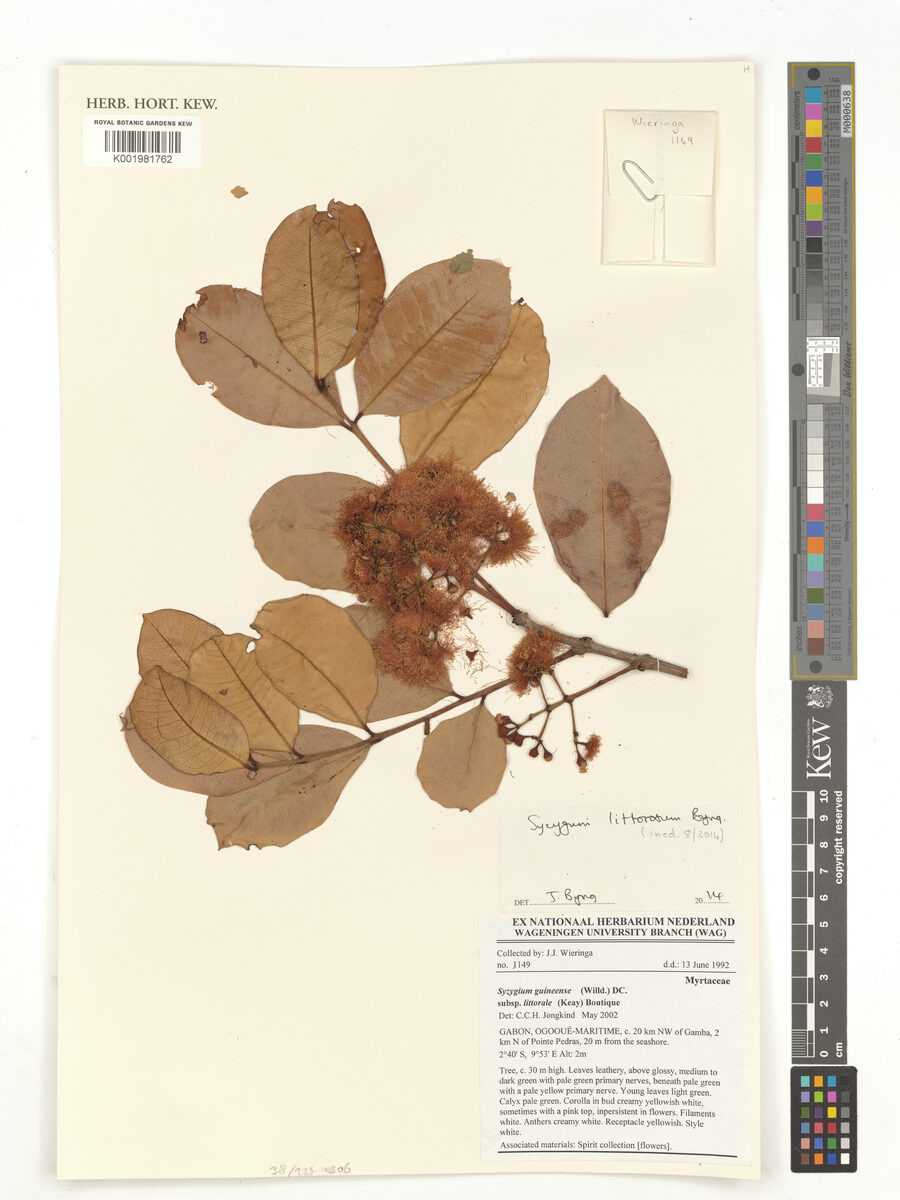
A large tree. The branches are pale grey and flattened. The flowers are white. The fruit is a berry with a calyx crown at the top.
This description is brief — help expand it
Edible Uses
The ripe fruits are eaten fresh and are sweet.
Traditional Uses
The ripe fruit are eaten. They are sweet.
This uses section is brief — help expand it
Distribution
It is a subtropical plant. It grows in northern Assam.
Where It Grows
Andamans, Asia, Himalayas, India, Myanmar, Nepal, Northeastern India, SE Asia, Sikkim,
Production
In northeastern India flowers and fruit occur between March and June.
Synonyms
Also Known As
Ambakey, Amboke, Bogi jamu, Boki-jamuk, Girgum datke, Gi'rgum dotke, Gulabjamun, Jaman, Jamawa, Jungli jamun, Songlong-kung, Sunom, Thabye-nyo
References (13)
- Ambasta, S.P. (Ed.), 2000, The Useful Plants of India. CSIR India. p 210 (As Eugenia kurzii)
- Baishya, S. Kr., et al, 2013, Survey of Wild Edible Fruits of Dhubri District, Assam, India. Plant Archives Vol 13 (1): 155-158
- Dobriyal, M. J. R. & Dobriyal, R., 2014, Non Wood Forest Produce an Option for Ethnic Food and Nutritional Security in India. Int. J. of Usuf. Mngt. 15(1):17-37
- Gautam, R. S., et al, 2020, Wild Edible Fruits of Nepal. Int. J. Appl. Sci. Biotechnol. Vol 8(3): 289-304
- Ghimeray, A. K., Lamsal, K., et al, 2010, Wild edible angiospermic plants of the Illam Hills (Eastern Nepal) and their mode of use by local community. Korean J. Pl. Taxon. 40(1) (As Eugenia kurzii)
Show all 13 references Hide references
- Patiri, B. & Borah, A., 2007, Wild Edible Plants of Assam. Geethaki Publishers. p 55
- Pegu, R., et al, 2013, Ethnobotanical study of Wild Edible Plants in Poba Reserved Forest, Assam, India. Research Journal of Agriculture and Forestry Sciences 1(3):1-10
- Savita, et al, 2006, Studies on wild edible plants of ethnic people in east Sikkim. Asian J. of Bio Sci. (2006) Vol. 1 No. 2 : 117-125 (As Eugenia kurzii)
- Sharma, G., et al, 2016, Agrobiodiversity in the Sikkim Himalaya. International Centre for Integrated Mountain Development, ICIMOD Working Paper 2016/5 p 20 (As Jambosa kurzii)
- Singh, H.B., Arora R.K.,1978, Wild edible Plants of India. Indian Council of Agricultural Research, New Delhi. p 59 (As Eugenia kurzii)
- Sundriyal, M., et al, 1998, Wild edibles and other useful plants from the Sikkim Himalaya, India. Oecologia Montana 7:43-54 (As Eugenia kurzii)
- Sundriyal, M., et al, 2004, Dietary Use of Wild Plant Resources in the Sikkim Himalaya, India. Economic Botany 58(4) pp 626-638
- Wild edible plants of Himachal Pradesh