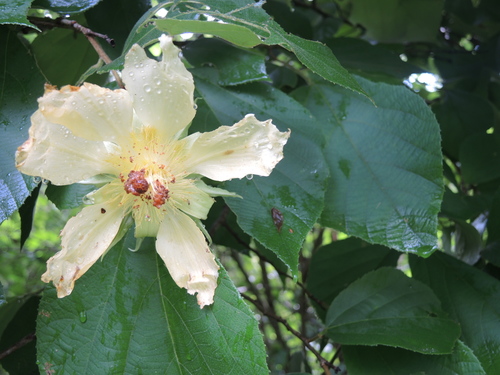
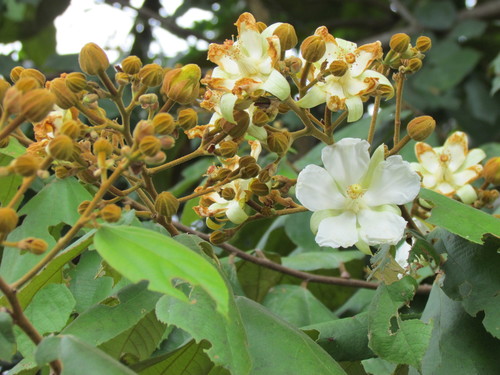
Hibiscus pernambucensis
Arruda
Pernambuco hibiscus
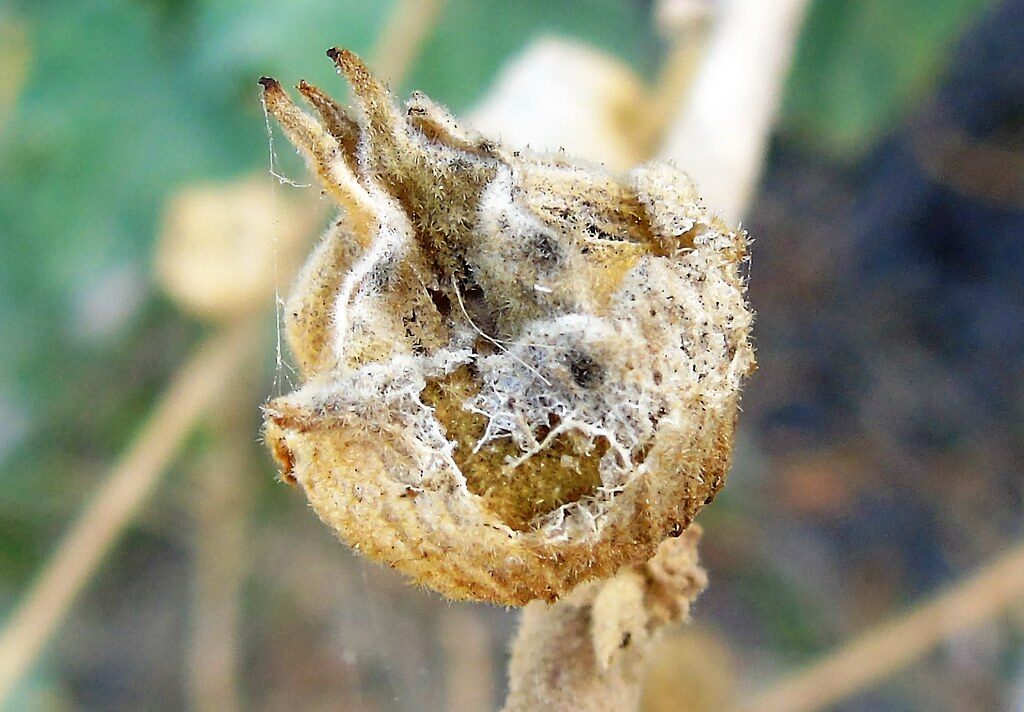
iNaturalist· cc-by-nc
(c) Ann Stafford, some rights reserved (CC BY-NC)
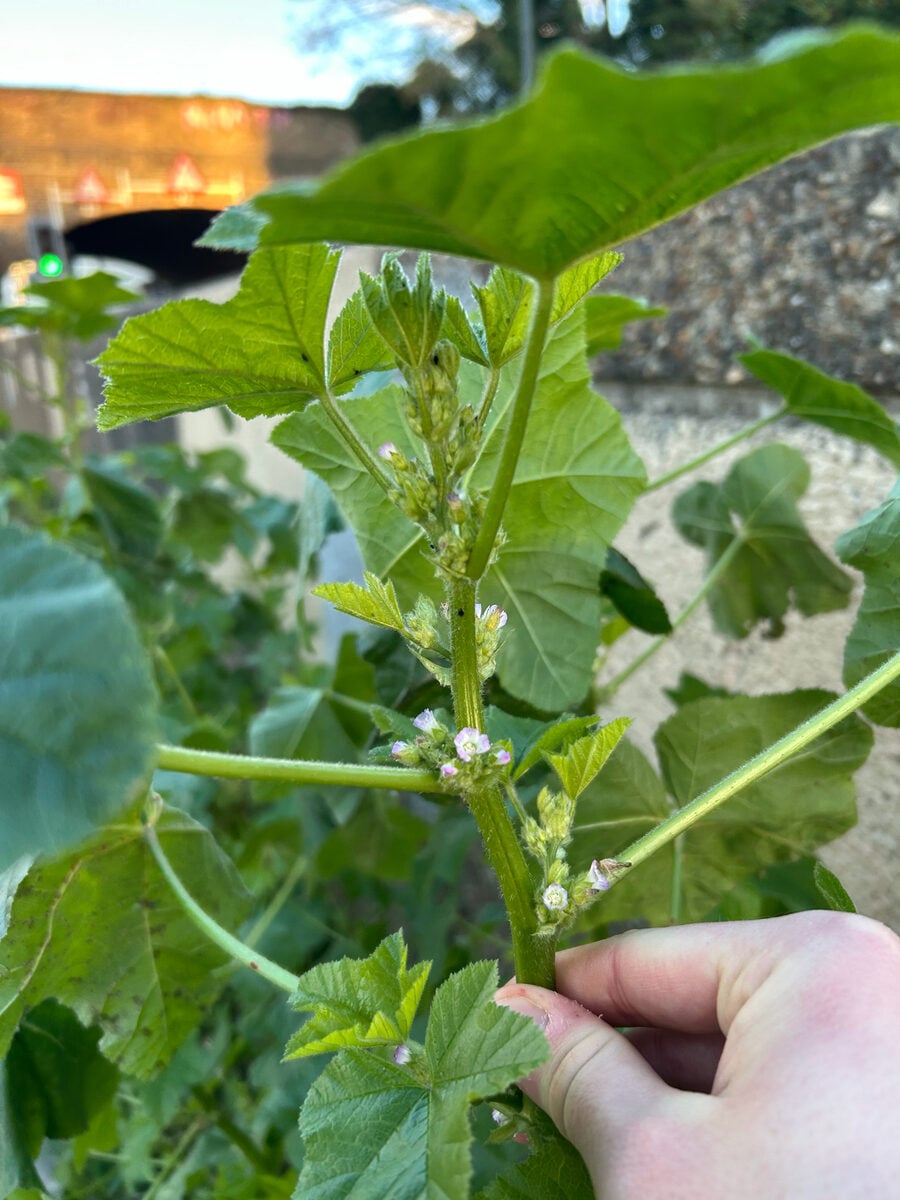
iNaturalist· cc-by-nc
(c) Ann Stafford, some rights reserved (CC BY-NC)
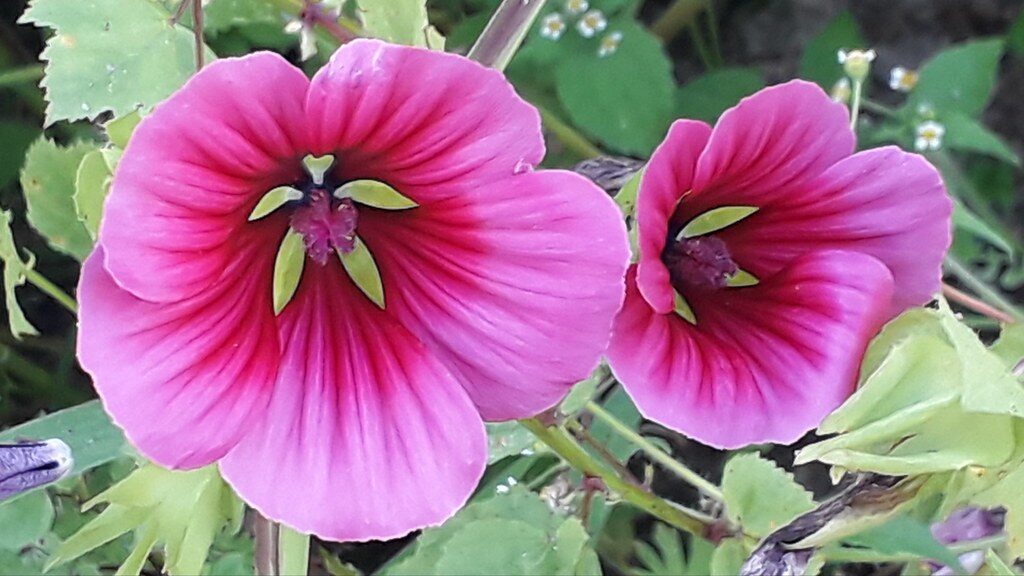
iNaturalist· cc-by-nc
(c) accidentalshrike, some rights reserved (CC BY-NC)
Description
A tropical shrub in the Malvaceae family, native to warm regions.
This description is brief — help expand it
Edible Uses
The wood of H. tiliaceus has a specific gravity of 0.6. It has been used in a variety of applications, such as seacraft construction, firewood, and wood carvings. It is easy to plane and turns well, so it is regarded by many as a high quality furniture wood. Plant fibers taken from the stems have traditionally been used in rope making, while its bark has been used like cork, in sealing cracks in boats. The bark and roots may be boiled to make a cooling tea to cool fevers, and its young leafy shoots may be eaten as vegetables. Native Hawaiians used the wood to make ʻiako (spars) for waʻa (outrigger canoes), mouo (fishing net floats), and ʻau koʻi (adze handles). Kaula ʻilihau (cordage) was made from the bast fibers. Hau would be used to make ʻama (canoe floats) if the preferred wiliwili (Erythrina sandwicensis) was unavailable. Hibiscus tiliaceus is widely used in Asian countries, especially Taiwan, as a subject for the art of bonsai. The finest specimens are taken from Kenting National Park. Lending itself to free grafting, the leaf size is reduced fairly quickly. Its leaves are also used in cooking, as trays for steamed rice cakes (粿). In Indonesia H. tiliaceus is also used for fermenting tempeh. The undersides of the leaves are covered in downy hairs known technically as trichomes to which the mold Rhizopus oligosporus can be found adhering in the wild. Soybeans are pressed into the leaf, and stored. Fermentation occurs resulting in tempeh. Indigenous Australians traditionally used the inner bark of the tree to craft fishing nets and ropes, particularly for use with dugong and turtle harpoons. The wood was also employed in the making of shields. Medicinally, the inner bark and sapwood were soaked in water and heated with hot stones, producing a liquid that was applied to wash wounds. Strips of bark were additionally used as natural bandages, wrapped around injuries to cover and close them.
Distribution
It is a tropical plant.
Where It Grows
Belize, Brazil, Central America, Costa Rica, Mexico, Nicaragua, Panama, South America, West Indies,
Synonyms
Also Known As
Algodao-da-praia, Algodao-do-brejo, Blue moho, Guaxima-do-mangue, Majagua
References (1)
- Grandtner, M. M. & Chevrette, J., 2013, Dictionary of Trees, Volume 2: South America: Nomenclature, Taxonomy and Ecology. Academic Press p 301