Cnidoscolus quercifolius
Pohl
iNaturalist· cc-by-nc
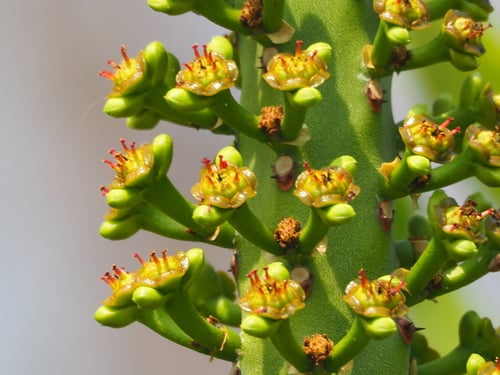
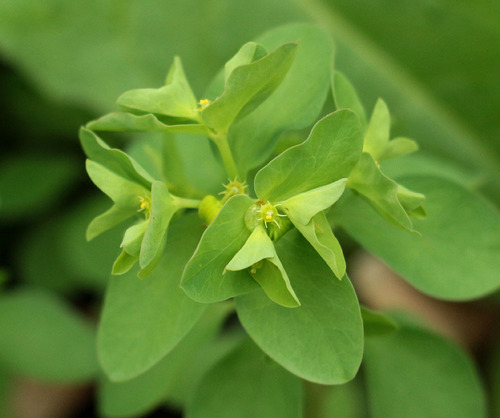
(c) Célio Moura Neto, some rights reserved (CC BY-NC), uploaded by Célio Moura Neto
iNaturalist· cc-by-nc
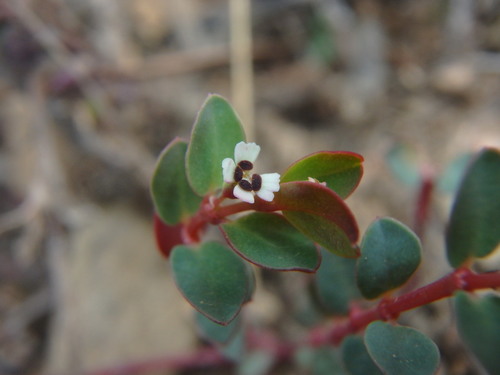
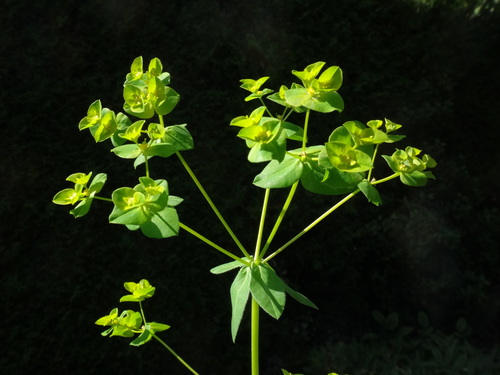
(c) Célio Moura Neto, some rights reserved (CC BY-NC), uploaded by Célio Moura Neto
iNaturalist· cc-by-nc
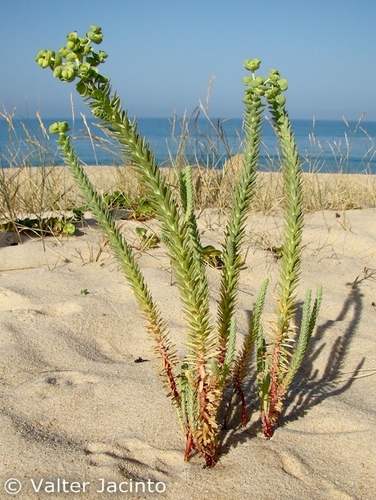
(c) Célio Moura Neto, some rights reserved (CC BY-NC), uploaded by Célio Moura Neto
Summary
Source: WikipediaCnidoscolus quercifolius (syn. C. phyllacanthus; common names in Portuguese: favela, faveleira, faveleiro, and mandioca-brava) is a species of flowering plant. It is endemic to Brazil. Its distributional range includes Bahia, Pernambuco, and Piauí. Its common name is the source of the term "favela" for a type of low-income informal settlement in Brazil.
Description
Cnidoscolus quercifolius is a tropical tree in the Euphorbiaceae family.
This description is brief — help expand it
Edible Uses
The seeds are ground into flour and also processed for oil. The fruit is also edible.
Traditional Uses
The seeds are used for flour.
This uses section is brief — help expand it
Medicinal Uses
The seeds are used for flour production.
Known Hazards
The leaves are covered in stinging hairs.
Distribution
It is a tropical plant.
Where It Grows
Brazil*, South America,
Cultivation
Grows best in a sunny position. Found in the wild in a range of soils from sandy to clayey. Prefers a deep, fertile, moist soil. Established plants are drought tolerant. A fast-growing plant.
Propagation
Seed - best sown as soon as it is ripe in a sunny position in a nursery seedbed. A low germination rate can be expected, with the seed sprouting within 14 - 20 days. When the seedlings are 5 - 6cm tall, pot them up into individual containers.
Other Uses
An oil is obtained from the seed. The wood is moderately heavy, soft to the touch, with poor mechanical properties and not durable. It is only used for low value items such as boxes and linings. The wood is used for fuel and to make charcoal. A fast-growing plant that succeeds in full sun and is tolerant of many soils, it can be used as a pioneer plant when restoring native woodland.
Synonyms
Also Known As
Cansencao, Faveira, Favela, Favela-mansa, Faveleira
References (3)
- Grandtner, M. M. & Chevrette, J., 2013, Dictionary of Trees, Volume 2: South America: Nomenclature, Taxonomy and Ecology. Academic Press p 146
- Nunes, E. N., et al, 2018, Local botanical knowledge of native food plants in the semiarid region of Brazil. Journal of Ethnobiology and Ethnomedicine (2018) 14:49
- World Checklist of Useful Plant Species 2020. Royal Botanic Gardens, Kew