Melicoccus oliviformis
Kunth
Olive shaped honey berry, Yellow genip
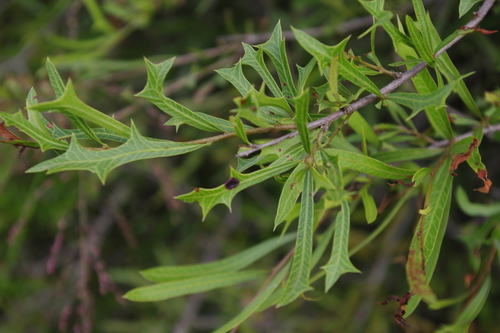
iNaturalist· cc-by-nc
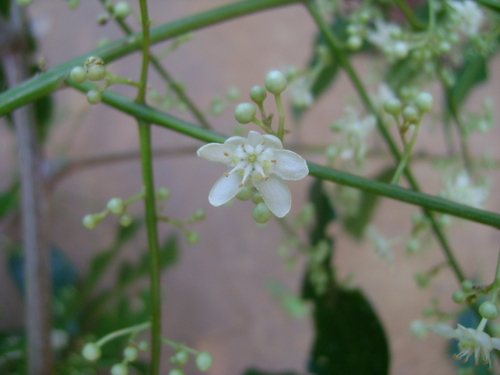
(c) Tatiana Velasco, some rights reserved (CC BY-NC), uploaded by Tatiana Velasco
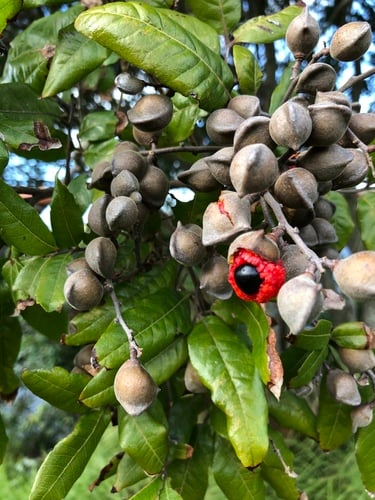
iNaturalist· cc-by-nc-sa
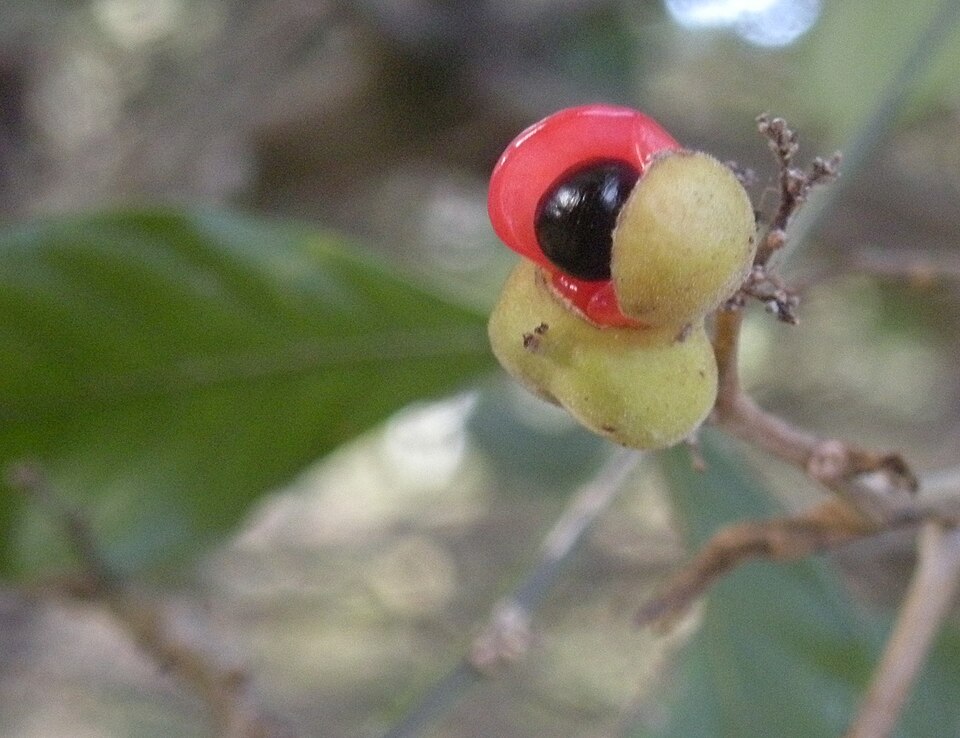
(c) Alejandra Flores, some rights reserved (CC BY-NC-SA)
iNaturalist· cc-by-nc-sa
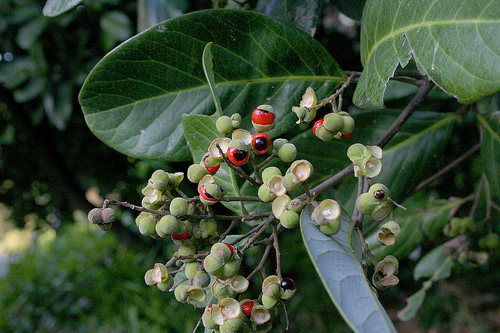
(c) Alejandra Flores, some rights reserved (CC BY-NC-SA)
Description
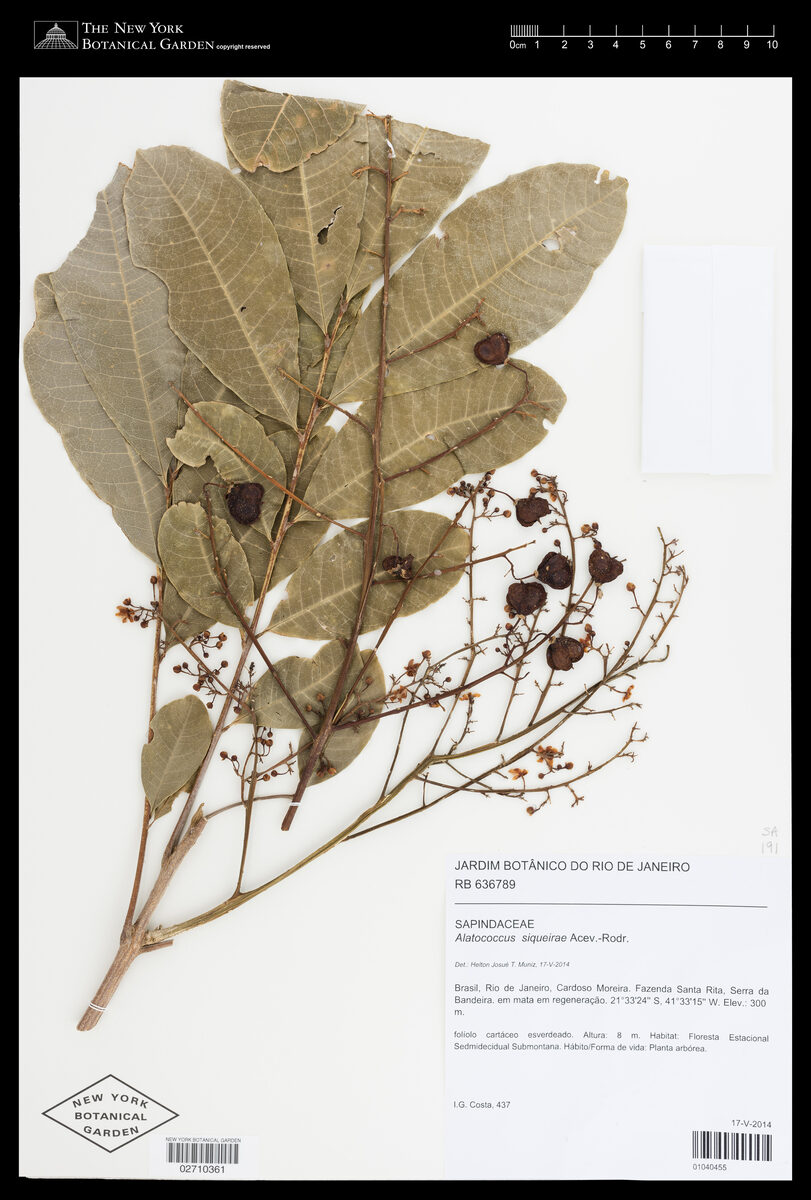
A tree. It grows 6-10 m tall. The crown is round. The trunk is 25-35 cm across. The leaves are alternate and compound. They have 2-3 pairs of leaflets. The flowers are small and white. They are in clusters near the ends of branches. The fruit are orange to red. They are in groups of 6-10 and 4.5 cm long by 3 cm wide. There is one large seed.
Edible Uses
Fruit - eaten raw or used for jellies. A succulent, sweetly-acidulous pulp. The orange-red fruit pulp is somewhat acid but with an agreeable flavour. The yellowy-green, ellipsoid drupe is borne in clusters of 6 - 10; it can be 45mm long and 28mm wide, containing a single, large seed.
Traditional Uses
The fruit are eaten and also used for jelly. The seeds are roasted and eaaten.
This uses section is brief — help expand it
Medicinal Uses
Seeds are roasted for consumption, suggesting traditional use beyond basic nutrition.
Distribution
It is a tropical plant. It grows from sea level to 150 m above sea level.
Where It Grows
Belize, Brazil, Caribbean, Central America, Colombia, Costa Rica, Ecuador, El Salvador, Guatemala, Guyana, Honduras, Mexico, Nicaragua, Peru, South America, Trinidad and Tobago, Venezuela,
Cultivation
Plants are grown by fresh rip seed.
Propagation
Seed - best sown as soon as it is ripe in a partially shaded position in a nursery seedbed. A germination rate of less than 30% can be expected, with the seed sprouting within 40 - 50 days. Under humid conditions, fresh seeds germinate at 80 percent without pre-treatment. A heterogeneous sample of seeds germinated approximately 12 days after sowing. The seeds remain viable for approximately 9 months when stored under ambient conditions (24 to 30°c). Longer storage quickly diminishes seed viability.
Other Uses
The wood is medium-textured, irregular-grained, moderately heavy, slightly susceptible to the attacks of wood-eating organisms. It can be used in general construction for purposes such as scantlings, beams and boards. The wood is used for fuel.
Other Information
It is cultivated.
Synonyms
Also Known As
Cotiperi, Cotoperis, Cotoperiz, Cutupli, Guaya, Guaya paes, Guayo, Huaya, Huayum, Keneb, Kinep, Mamon cutuplis, Uayab, Uayum, Waya pais
References (6)
- Ferns, Useful Tropical Plants
- Grandtner, M. M. & Chevrette, J., 2013, Dictionary of Trees, Volume 2: South America: Nomenclature, Taxonomy and Ecology. Academic Press p 391
- Lopez-Diago, D. & Garcia, N., 2021, Wild edible fruits of Colombia. Biota ColomBiana 22 (2) p 50
- Roa, J. A. G. & Boada, D. S. G., 2018, Fundación para el Fortalecimiento de la Fruticultura y Plantas Alimenticias no Convencionales en Colombia.
- Segura, S., et al, 2018, The edible fruit species in Mexico. Genet Resour Crop Evol (2018) 65:1767–1793
Show all 6 references Hide references
- Wiersema, J. H. & Leon, B., 2013, World Economic Plants. A Standard Reference CRC Press. 2nd Ed. p 441