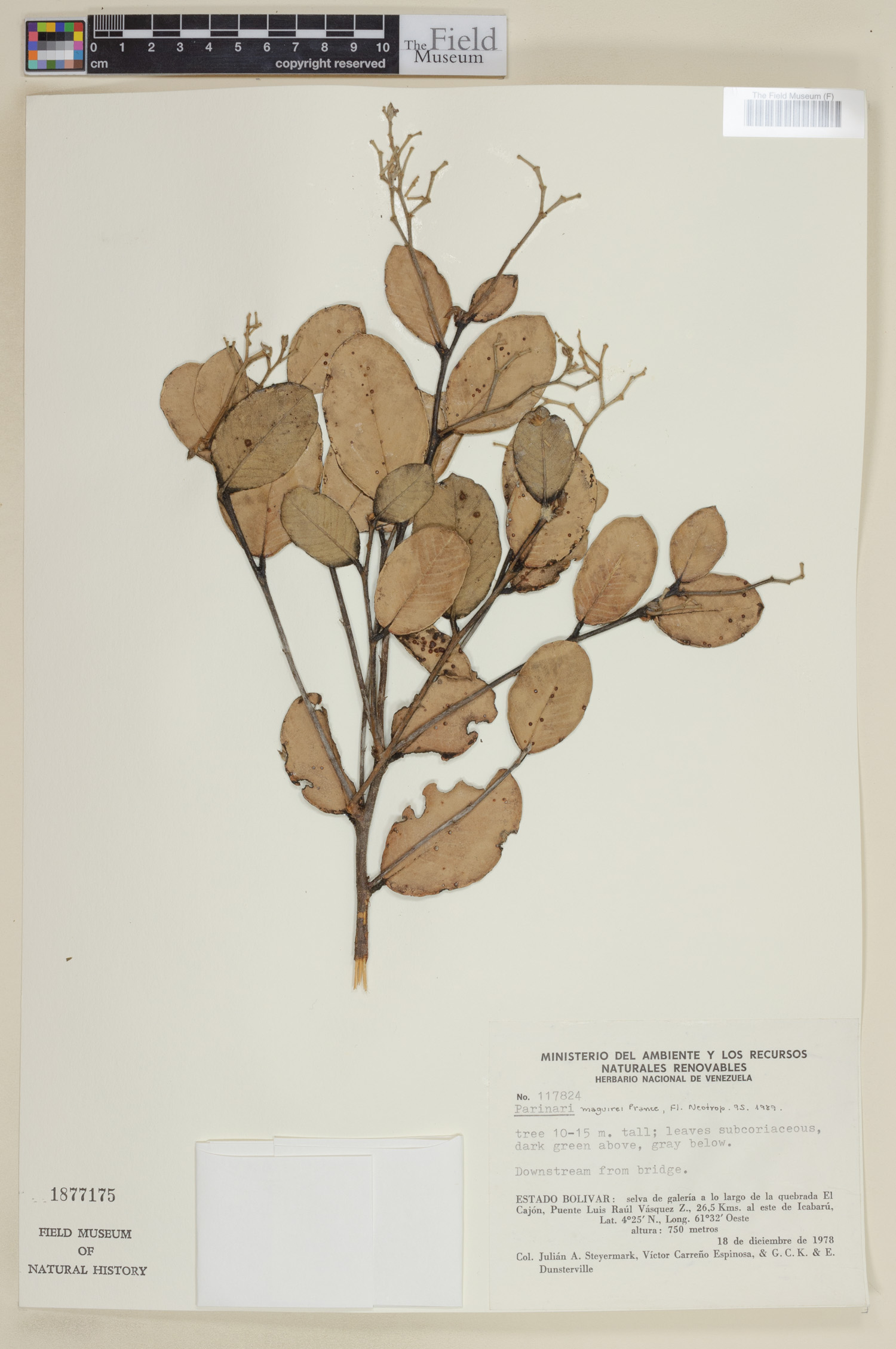
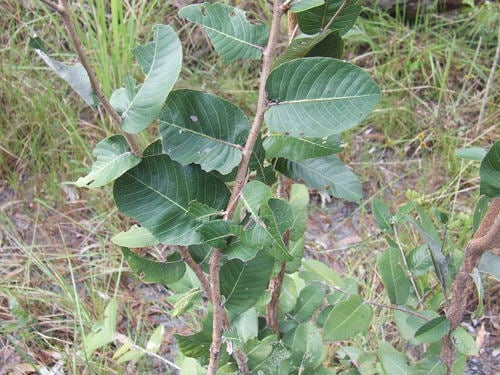
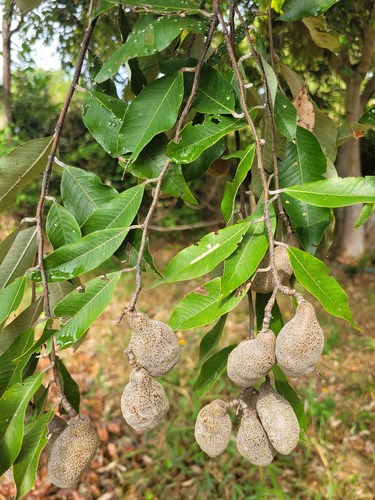
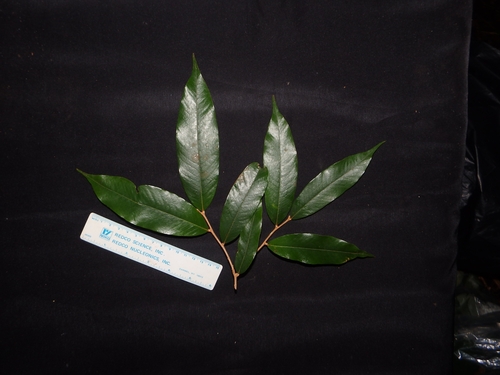
Hirtella glandulosa
Spreng.
iNaturalist· cc-by-nc
(c) Cássio van den Berg, some rights reserved (CC BY-NC), uploaded by Cássio van den Berg
iNaturalist· cc0
no rights reserved, uploaded by Tsssss
iNaturalist· cc-by-nc
(c) Laurent Quéno, some rights reserved (CC BY-NC), uploaded by Laurent Quéno
Description
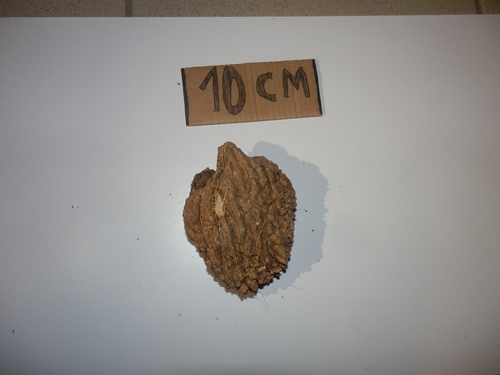
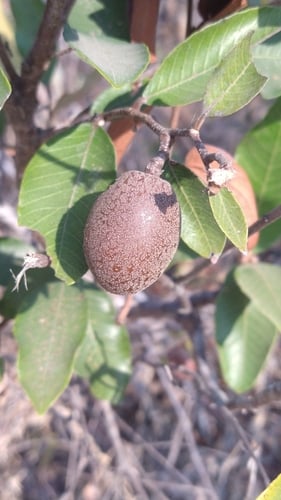
A tropical tree in the Chrysobalanaceae family, producing small round fruit approximately 1.5 cm across.
This description is brief — help expand it
Edible Uses
The fruit is eaten.
Distribution
It is a tropical plant.
Where It Grows
Bolivia, Brazil, South America,
Cultivation
Succeeds in full sun and in dappled shade. Established plants are drought tolerant. Plants have a moderate rate of growth.
Propagation
Seed - best sown as soon as it is ripe in a sunny position in a nursery seedbed. Because of the difficulty in separating the seeds, the whole fruit can be sown. A low germination rate can be expected, with the seed sprouting within 20 - 40 days. When the seedlings are 5 - 6cm tall, pot them up into individual containers and they should be ready to plant out when 30cm tall.
Other Uses
The wood is medium textured; straight grained; heavy; hard; very durable and with moderate mechanical properties. It is used for general construction, tool handles and external purposes such as fence posts, railroad ties, water wheels and submerged marine stakes.
Synonyms
Also Known As
Coco-de-bode
References (1)
- Peres, M. K., 2011, Diasporos do Cerrado Atrativos para Fauna: Chave Interativa Caracterizacao Visual e Relacoes Ecologicas. Masters thesis. Universidade de Brasilia.