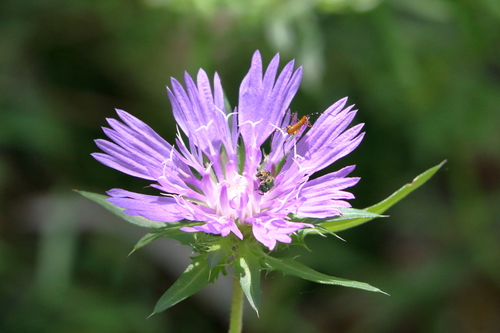
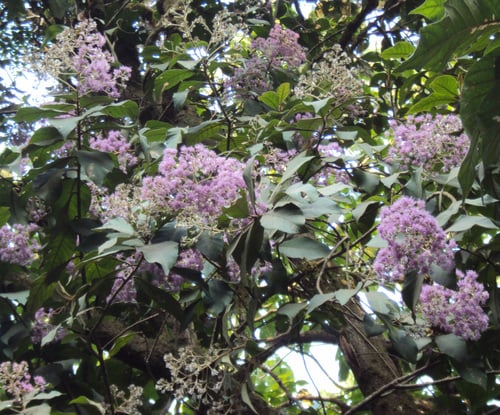
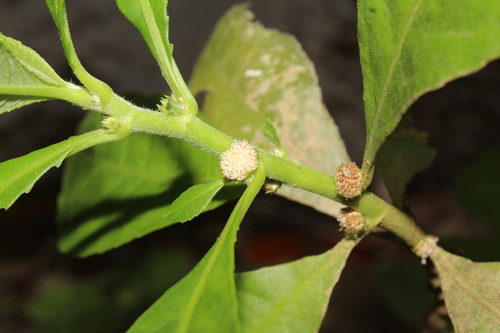
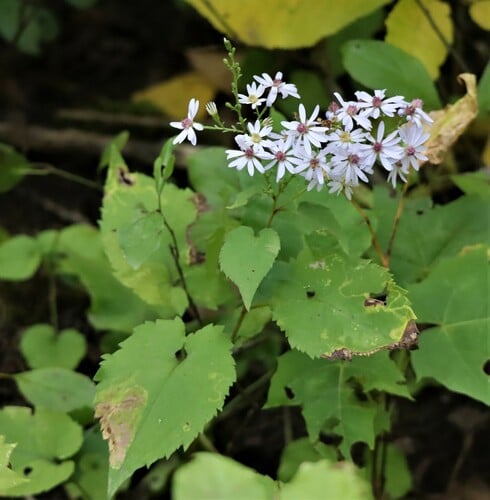
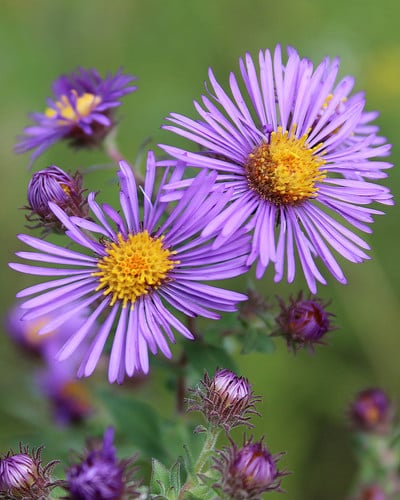
Parasenecio hastatus subsp. orientalis
(Kitam.) H. Koyama
iNaturalist· cc-by-nc
(c) vladimir_epiktetov, some rights reserved (CC BY-NC), uploaded by vladimir_epiktetov
iNaturalist· pd
Qwert1234, no known copyright restrictions (public domain)
iNaturalist· cc-by-nc
(c) Anastasiia Merkulova, some rights reserved (CC BY-NC)
Summary
Source: WikipediaParasenecio hastatus (Chinese: 山尖子, shānjiānzi) is a flowering plant species in the genus Parasenecio found in China and East Asia. It contains toxic pyrrolizidine alkaloids.
Description
A temperate herb in the Asteraceae family.
This description is brief — help expand it
Edible Uses
The young leaves are cooked with seasoned vegetables.
Traditional Uses
The young leaves are cooked with seasoned vegetables.
This uses section is brief — help expand it
Distribution
It is a temperate plant.
Where It Grows
Asia, Korea, SE Asia,
Synonyms
Cacalia kitamurae Nakai
Also Known As
Minbakjwinamul
References (1)
- Kim, H. & Song, M., 2013, Ethnobotanical analysis for traditional knowledge of wild edible plants in North Jeolla Province (Korea). Genetic. Resour. Crop Evol. (2013) 60:1571-1585