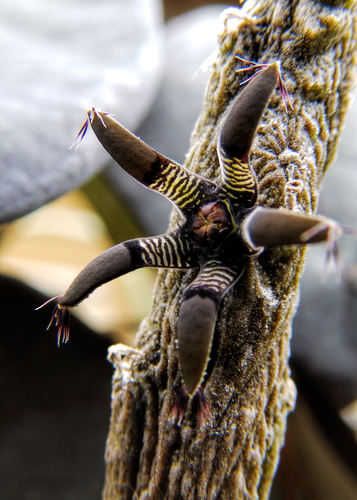
Aspidosperma megalocarpon
Mull.Arg.
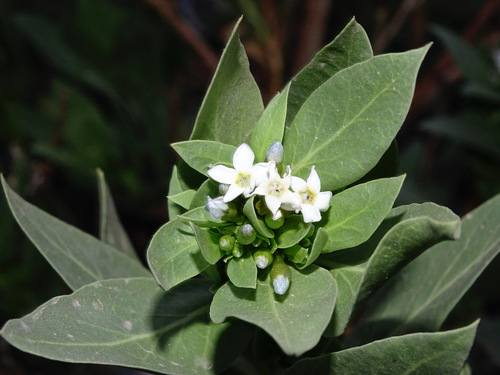
iNaturalist· cc-by
(c) Leonardo O. Alvarado Cárdenas, some rights reserved (CC BY), uploaded by Leonardo O. Alvarado Cárdenas
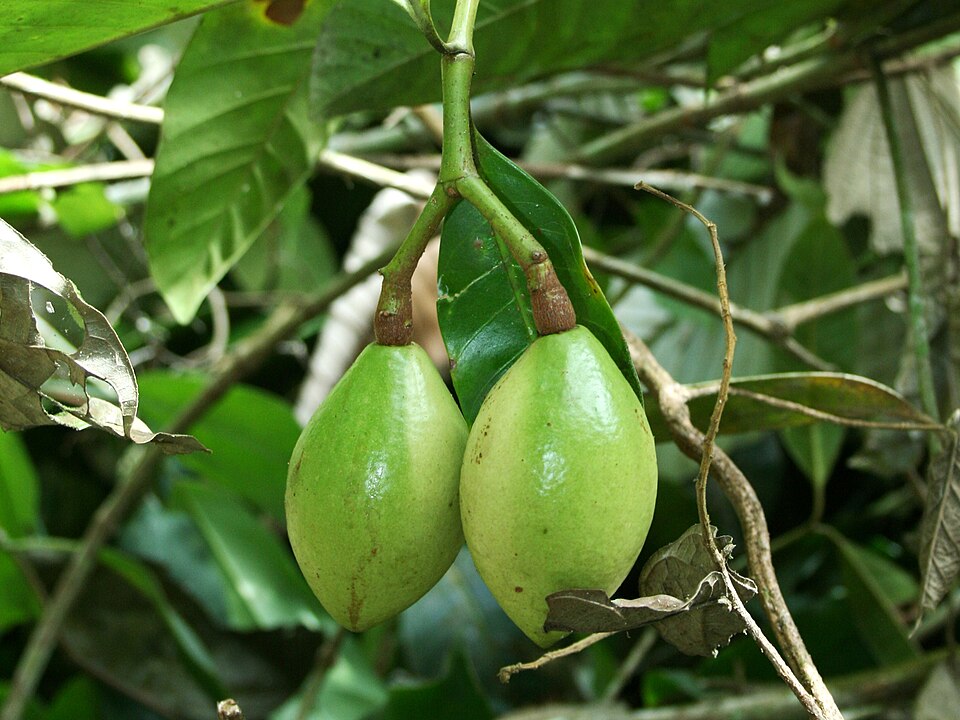
iNaturalist· cc-by-nc
(c) Emilio Palomeque Figueroa, some rights reserved (CC BY-NC), uploaded by Emilio Palomeque Figueroa
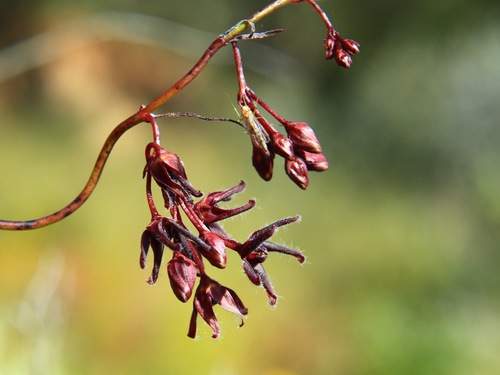
iNaturalist· cc-by
(c) Neptalí Ramírez Marcial, some rights reserved (CC BY), uploaded by Neptalí Ramírez Marcial
Summary
Source: WikipediaAspidosperma megalocarpon is a species of plant in the family Apocynaceae. It can be found in Belize, Colombia, Ecuador, El Salvador, Guatemala, Honduras, Mexico (Veracruz, Oaxaca, Chiapas), Nicaragua, Panama, Suriname, Venezuela, and NW Brazil.
Description
A tropical tree growing 7-30 m tall with a trunk 20-80 cm across.
This description is brief — help expand it
Edible Uses
The fruit is eaten.
Medicinal Uses
The bitter bark is used to make a concoction that is used in the treatment of malaria.
Known Hazards
The freshly cut wood and sap of Aspidosperma species causes irritation of the eyes, nose, and throat, with general malaise. The sawdust, on contact with abraded skin, produces local burning and a vesicular eruption with general symptoms of muscular weakness and cramps, sweating, dryness of the mouth, and faintness. Once the wood is thoroughly dry it loses its toxicity unless polishes or dyes in organic solvents are used on it
Distribution
It is a tropical plant.
Where It Grows
Belize, Bolivia, Brazil, Colombia, El Salvador, Guatemala, Guyanas, Honduras, Mexico, Nicaragua, Panama, South America, Suriname, Venezuela,
Other Uses
The heartwood is vermillion or deep reddish brown, sometimes with large pink veins, and constitutes about two-thirds of the bole; it is clearly demarcated from the 3 - 8cm wide band of almost white to light brown sapwood. The texture is medium; the grain straight or interlocked. The wood is very heavy, very hard and very durable when in contact with the soil, being very resisant to fungi and dry wood borers, and moderately resistant to termites. It is somewhay slow to season, with a high risk of checking and distortion; once dry it is poorly stable in service. It has a fairly high blunting effect and is hard to work - power tools that are stellite-tipped and tungsten carbide are recommended; nailing and screwing are good, but pre-boring is required; gluing is correct for interior purposes only. The wood has various applications, being used for purposes such as heavy bridges, railroad ties, house posts, heavy carpentry, industrial flooring, hydraulic works in fresh water etc. The wood is used for fuel.
Notes
Medicine.
Synonyms
Also Known As
Chachama, Gabetillo, Poroma jihui
References (3)
- Paniagua Zambrana, N. Y., et al, 2017, Traditional knowledge hiding in plain sight - twenty-first century ethnobotany of the Chacobo in Beni, Bolivia. Journal of Ethnobiology and Ethnomedicine (2017) 13:57
- Roa, J. A. G. & Boada, D. S. G., 2018, Fundación para el Fortalecimiento de la Fruticultura y Plantas Alimenticias no Convencionales en Colombia.
- Zambrana, P, et al, 2017, Traditional knowledge hiding in plain sight – twenty-first century ethnobotany of the Chácobo in Beni, Bolivia. Journal of Ethnobiology and Ethnomedicine (2017) 13:57