Anagallis arvensis
L.
Scarlet pimpernel
iNaturalist· cc-by-nc
(c) Valerio Lazzeri, some rights reserved (CC BY-NC)
iNaturalist· cc-by-nc
(c) Valerio Lazzeri, some rights reserved (CC BY-NC)
iNaturalist· cc-by-nc
(c) Valerio Lazzeri, some rights reserved (CC BY-NC)
Summary
Anagallis arvensis is a low-growing annual reaching 0.1 m (4 inches) tall and spreading to 0.4 m (1 ft 4 inches). Hardy to UK zone 7, it flowers from June to August with seeds ripening July to September. The plant is self-fertile, hermaphroditic, and insect-pollinated. It tolerates light sandy, medium loamy, and heavy clay soils across mildly acid to basic pH ranges, requires full sun, and adapts to both dry and moist conditions.
Description
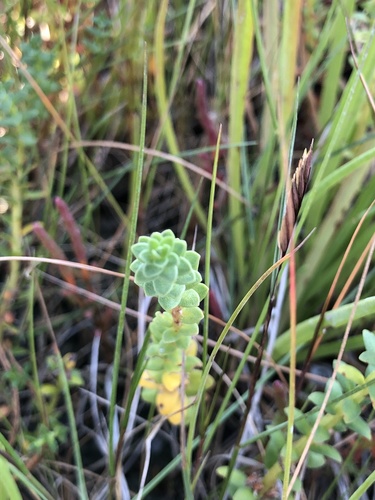
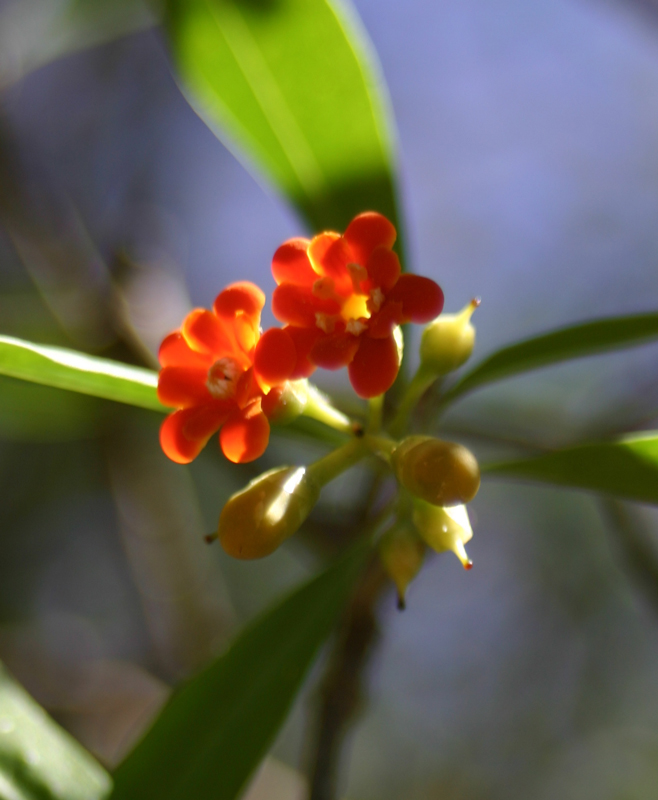
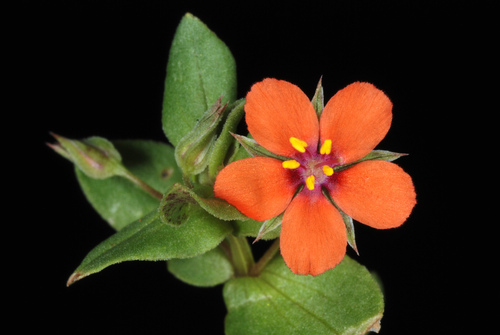
An annual herb. It lies along the ground. The stems are square. The leaves are opposite and do not have leaf stalks. The leaves are oval and pointed with black dots underneath and white hairs. The flowers are 1 cm across and usually orange.
Edible Uses
The leaves can be eaten raw or cooked — used in salads or as a spinach substitute, with tender shoots also cooked as a vegetable. However, given the plant's known toxicity, consuming the leaves is best avoided.
Traditional Uses
Caution: Some people can get skin reactions from touching this plant. The leaves can be cooked and eaten. They are used in salads. They are boiled and then fried in oil.
Medicinal Uses
Once highly regarded for treating epilepsy and mental disorders, scarlet pimpernel is no longer recommended for internal use due to its toxic saponins and cytotoxic cucurbitacins. The whole herb is antitussive, cholagogue, diaphoretic, diuretic, expectorant, nervine, purgative, stimulant, and vulnerary, and can be taken internally or applied externally as a poultice. An infusion treats dropsy, skin infections, and liver and gallbladder disorders. The plant is best harvested in June and can be dried for later use. Use with caution — large doses can cause polyuria and tremor. A homeopathic remedy made from the plant is used internally for itchy skin and externally to remove warts.
Known Hazards
The seeds are slightly poisonous to some mammals, but no cases involving people are known. Skin contact with the plant can cause dermatitis in some people.
Distribution
It is a temperate and Mediterranean climate plant.
Where It Grows
Asia, Easter Island, Europe, India, Iraq, Korea, Luxembourg, Mediterranean, Middle East, North America, Northeastern India, Pakistan, Slovenia, St Helena, Tasmania, Turkey, Türkiye, USA,
Cultivation
Prefers a sunny position and a good soil. Succeeds in dry or sandy soils. The flowers open at about 8 am and close at 3pm each day, though they close earlier if it rains. The flowers are also said to foretell wet weather if they close early.
Propagation
Sow seed in spring, direct in the ground where it is to grow.
Other Uses
The squeezed plant is used in Nepal as a wash for bathing. The plant is insecticidal or at least repellent to some insects, and is also used as a dynamic accumulator.
Other Information
It is not popular.
Synonyms
Also Known As
Amale, Bili buti, Chaw pshila, Fare kula, Farekulagi, Navadna kurja češnjica, Red chickweed, Red pimpernel, Shepherd's weather glass
References (9)
- Ajain, M., Ali, T., & Siddiqui, M.F., 2015, A Survey of Ethnobotanically Important Herbaceous Plants of Tehsil Jatoi,District Muzaffar Garh, Punjab, Pakistan. Int. J. Biol. Res., 3(2): 87-92, 2015.
- Dogan, Y., et al, 2004, The Use of Wild Edible Plants in Western and Central Anatolia (Turkey). Economic Botany 58(4) pp. 684-690
- Ertug, F, Yenen Bitkiler. Resimli Türkiye Florası -I- Flora of Turkey - Ethnobotany supplement
- Galalaey, A. M. K., et al, 2021, Ethnobotanical study of some wild edible plants in Hujran Bason, Kurdistan Region of Iraq. ZANCO Journal of Pure and Applied Sciences. Salahaddin University-Erbil p 27
- Haj, F., et al, 2012, Species Diversity and Ethno Botanical Classes of the Flora of Allai Valley District Battagram Pakistan. International Journal of Plant Research 2012, 2(4): 111-123
Show all 9 references Hide references
- Joshi, N. & Siwakoti, M., 2012, Wild Vegetables Used by Local Community of Makawanpur District and Their Contribution to Food Security and Income Generation. Nepal Journal of Science and Technology Vol. 13, No. 1 (2012) 59-66
- Ozbucak, T. B. et al, 2006, The Contribution of Wild Edible Plants to Human Nutrition in the Black Sea Region of Turkey. Ethnobotanical Leaflets 10: 98-103
- www.wildediblefood.com
- Zizka, G., 1991, Flowering Plants of Easter Island. Palmarum Hortus Francofurtensis