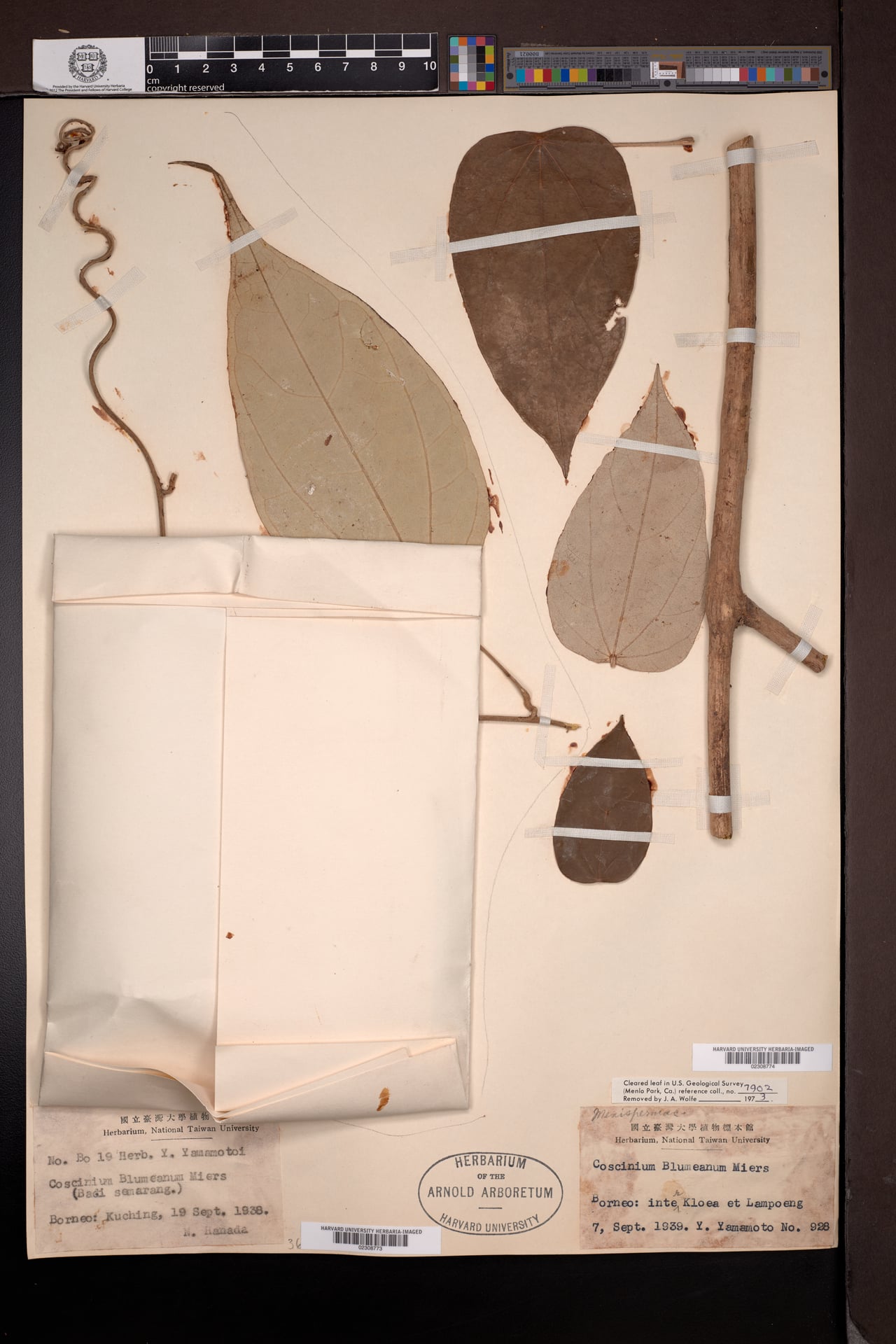
Tiliacora leonensis
(G. F. Scott-Elliot) Diels
iNaturalist· cc-by-nc
(c) Carel Jongkind, some rights reserved (CC BY-NC), uploaded by Carel Jongkind
iNaturalist· cc-by-nc
(c) Carel Jongkind, some rights reserved (CC BY-NC)
Description
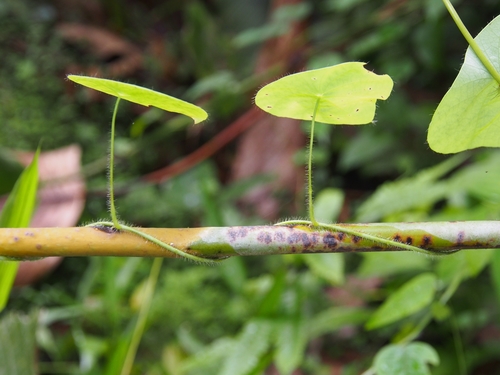
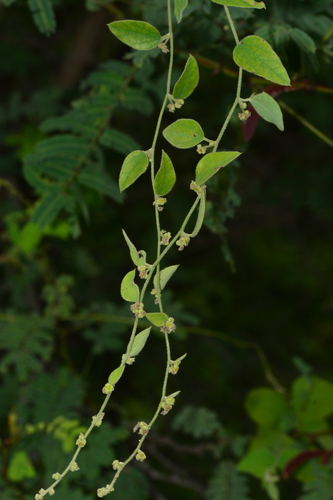
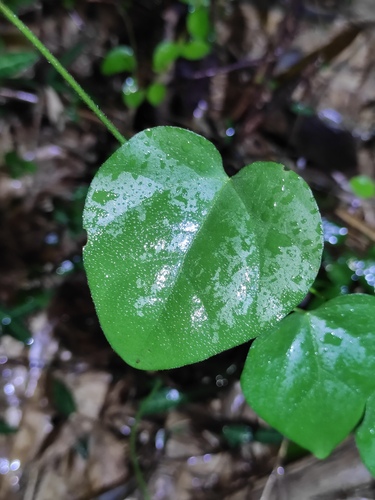
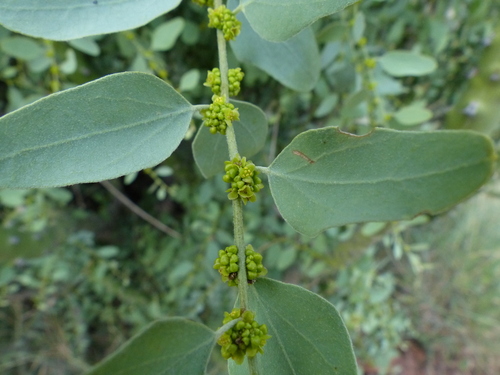
A climbing shrub. The fruit are 2 cm long by 1.5 cm wide. They are black. There is one large seed.
This description is brief — help expand it
Edible Uses
The fruit is eaten.
Medicinal Uses
An extract of the aerial parts is prescribed against dysentery, alone or in combination with leaves of Mallotus oppositifolius. Preparations of the bark, leaves or root are taken to treat cough, amenorrhoea and tachycardia. A paste of dried and ground leaves is given as an enema to pregnant women to help in the delivery of a heavy baby. The crushed leaves are applied to wounds. A root decoction is used as a treatment against gastric fever, oedema of the legs and anaemia. The root is put in palm wine and drunk, or an extract of the aerial parts is drunk, in combination with Paullinia pinnata, to improve sexual vigour. The root contains several alkaloids with curare-like action. Two of the alkaloids, funiferine and nortiliacorine A, have weak antimalarial and antimicrobial action.
Distribution
It is a tropical plant.
Where It Grows
Africa, Côte d'Ivoire, Ghana, Guinea, Guinée, Ivory Coast, Liberia, West Africa,
Other Uses
The stem is used to make chew sticks. The stem is used as a tying material.
Synonyms
References (2)
- Ferns, Useful Tropical Plants
- World Checklist of Useful Plant Species 2020. Royal Botanic Gardens, Kew