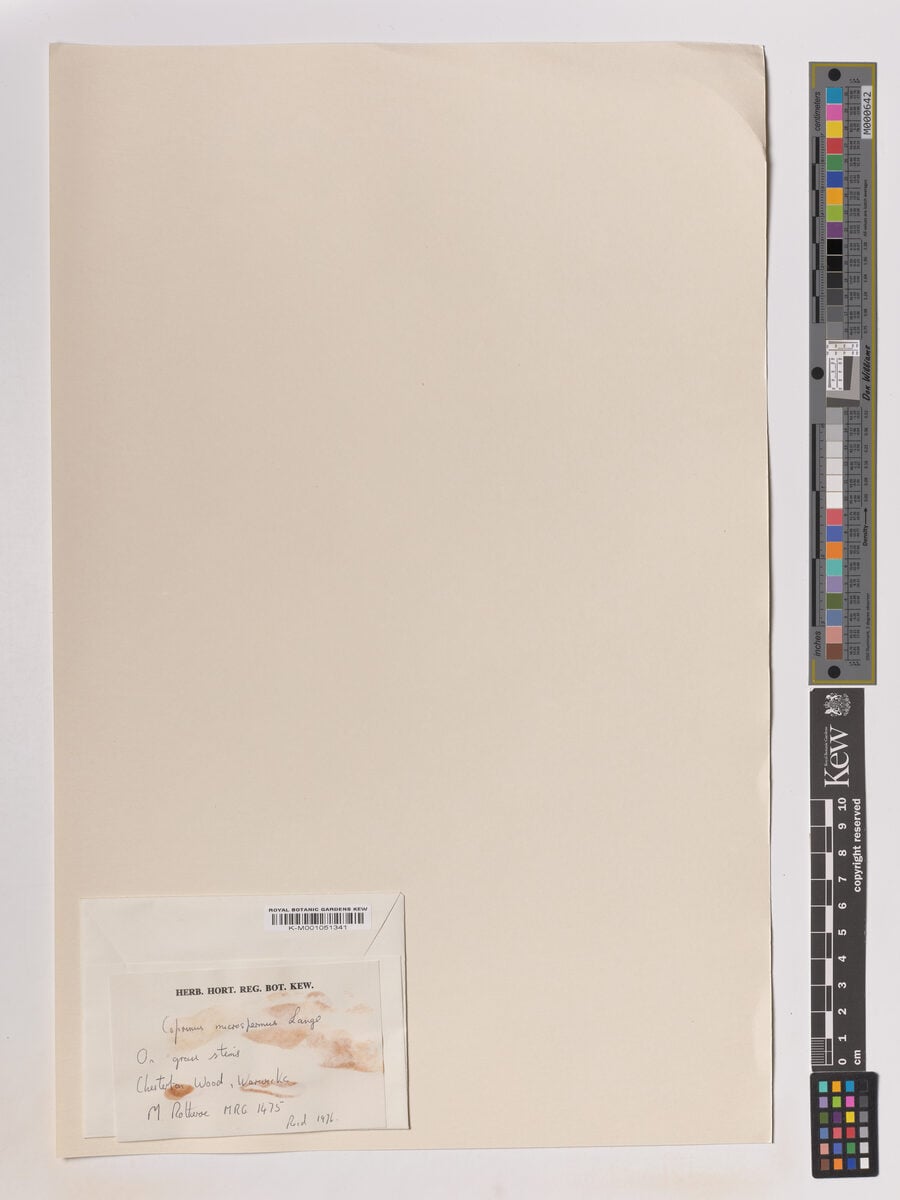
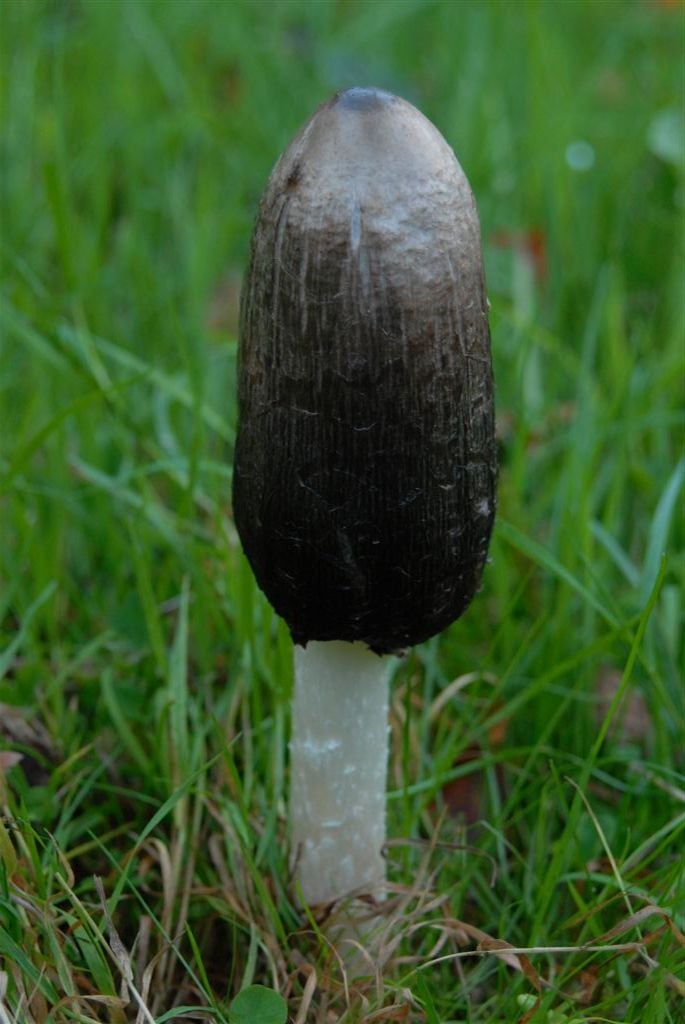
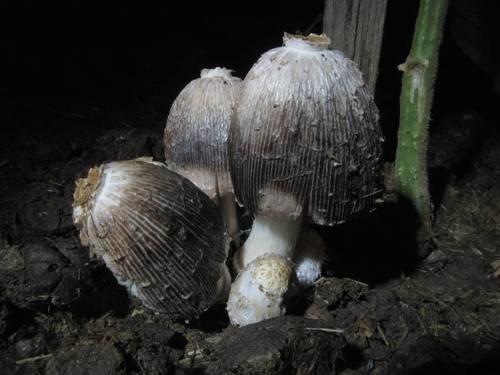
Coprinus micaceus
(Bull.) Fr.
Glistening ink cap, Small inky cap, Early inky, Mica cap
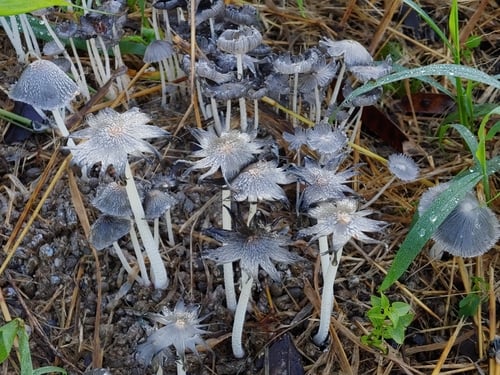
iNaturalist· cc-by-nc
(c) kileymorgan, some rights reserved (CC BY-NC)
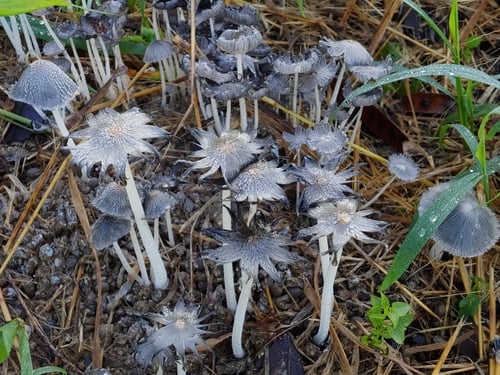
iNaturalist· cc-by-nc
(c) kileymorgan, some rights reserved (CC BY-NC)
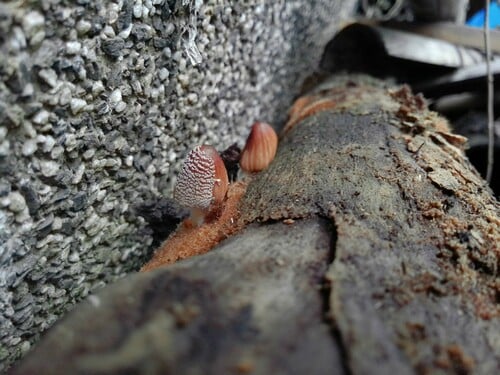
iNaturalist· cc-by-nc
(c) irma_aranda, some rights reserved (CC BY-NC)
Description
Glistening ink cap is a small mushroom in the family Coprinaceae found in temperate and tropical regions. The fruiting bodies are edible and have been traditionally consumed by the Dani people of Papua, Indonesia.
Edible Uses
The fruiting bodies can be simmered in butter and the juice thickened with flour to make a sauce, or baked with milk, beaten egg, seasonings, and dry bread crumbs.
Traditional Uses
The fruiting bodies are eaten. They can be simmered in butter and the jucie thickened with flour to make a sauce. They can be baked with milk, a beaten egg, seasonings and dry bread crumbs.
Distribution
It is a temperate and tropical plant. It is eaten among the Dani of Papua Indonesia.
Where It Grows
Africa, Alaska, Asia, Australia, China, East Africa, Ghana, India, Indonesia, Mozambique, New Zealand, North America, Papua, SE Asia, Russia, Slovenia, USA, West Africa,
Production
They should be harvested when very young when the gills are white.
Also Known As
Jingli guisan
References (12)
- Boa, E. R., 2004, Wild edible fungi and their importance to people. FAO Non Wood Forest Products Booklet 17
- Cerne, M., 1992, Wild Plants from Slovenia used as Vegetables. Acta Horticulturae 318
- Crowe, A., 1997, A Field Guide to the Native Edible Plants of New Zealand. Penguin. p 133
- Facciola, S., 1998, Cornucopia 2: a Source Book of Edible Plants. Kampong Publications, p 251
- Guild, B., 1979, The Alaskan Mushroom Hunter's Guide. Alaska Northwest Publishing Company. p 164
Show all 12 references Hide references
- Hall, I. R., et al, 2003, Edible and Poisonous Mushrooms of the World. Timber Press. p 310
- Kaul, 1981,
- Kiple, K.F. & Ornelas, K.C., (eds), 2000, The Cambridge World History of Food. CUP p 318
- Low, T., 1992, Bush Tucker. Australia’s Wild Food Harvest. Angus & Robertson. p 167
- Uphof,
- Walulo, E. B., 2008, Review: Research Ethnobotany in Indonesia and the Future Perspectives. Biodiversitas Vol. 9 Nomor 1. Halaman 59-63 http://www.unsjournals.com/D/D0901/D090114.pdf
- www.unesco.org/mab/doc/mys/2000/final report_ghana/pdf