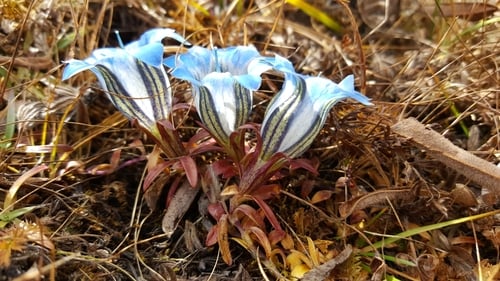
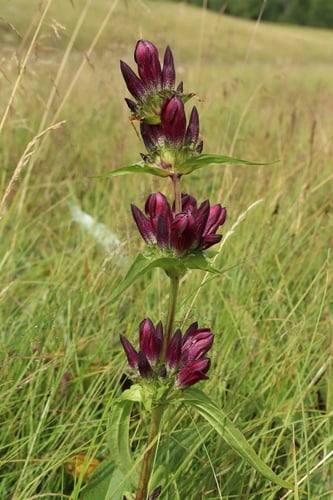
Swertia chirayita
(Roxb.) Buch.-Ham. ex C. B. Clarke
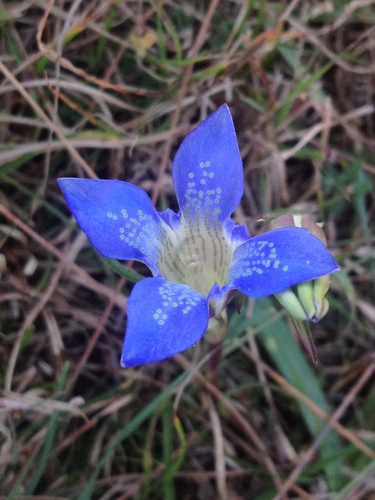
iNaturalist· cc-by-nc
(c) Basu Dev Neupane, some rights reserved (CC BY-NC), uploaded by Basu Dev Neupane
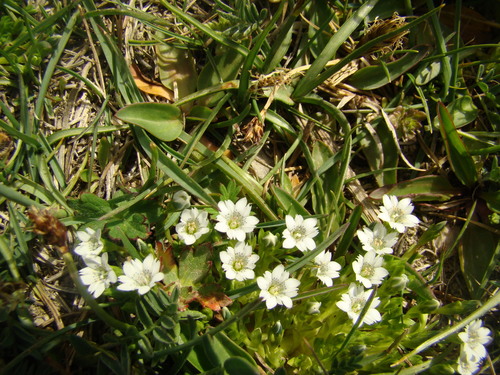
iNaturalist· cc-by-nc
(c) Basu Dev Neupane, some rights reserved (CC BY-NC), uploaded by Basu Dev Neupane
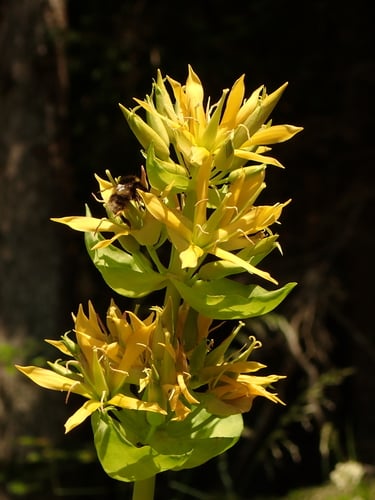
iNaturalist· cc-by-nc
(c) Basu Dev Neupane, some rights reserved (CC BY-NC), uploaded by Basu Dev Neupane
Summary
Source: WikipediaSwertia chirayita is an important herb which is commonly available in India, Nepal and China. It is commonly known as Chireta (Hindi). The plant is found at an altitude of 1200-3,000 m and available throughout the year. It is generally consumed by the older people and people with type II diabetes. It is useful in lowering the blood glucose levels
Description
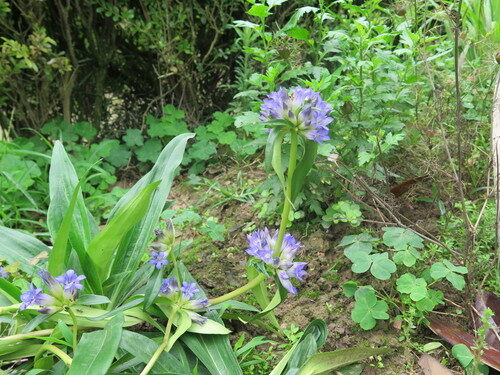
A herb. It grows each year from seed or can take 2 years to complete its lifecycle. It grows 0.6-1.5 m tall. The leaves are sword shaped and opposite. They are heart shaped at the base and do not have a leaf stalk. They are 4 cm long. The root is yellowish and 7-8 cm long and tapers. There are many mall flowers in a large leafy panicle. They are green-yellow tinged with purple.
Edible Uses
None known
Medicinal Uses
Chiretta is a traditional Ayurvedic herb with a strongly bitter tonic action. It is an excellent remedy for a weak stomach, particularly where this causes nausea, indigestion and bloating, and has been shown to protect the liver. It is perhaps best known in India as the main ingredient in mahasudarshana churna, a remedy containing more than 50 herbs. Its chemistry is similar in many respects to Gentiana lutea, a widely used restorative digestive tonic. The plant also contains xanthones, reputedly effective against malaria and tuberculosis, and amarogentin, a glycoside that may protect the liver against carbon tetrachloride poisoning. As a whole, the plant is an extremely bitter digestive tonic that lowers fevers and acts as a stimulant. It promotes the flow of bile, cures constipation and is useful for treating dyspepsia. The plant is harvested when seed is setting and dried for later use.
Distribution
It is a temperate plant.
Where It Grows
Bhutan, Himalayas, India, Nepal,
Propagation
Sow seed in spring in temperatures not exceeding 10°C in a humus-rich medium. Prick seedlings out into individual pots once large enough to handle and plant out in early summer.
Other Uses
None known
Notes
An unresolved name in The Plant LIst. It is used as medicine.
Synonyms
Also Known As
Chiraito
References (2)
- Encyclopedia of Life
- Wiersema, J. H. & Leon, B., 2013, World Economic Plants. A Standard Reference CRC Press. 2nd Ed. p 667