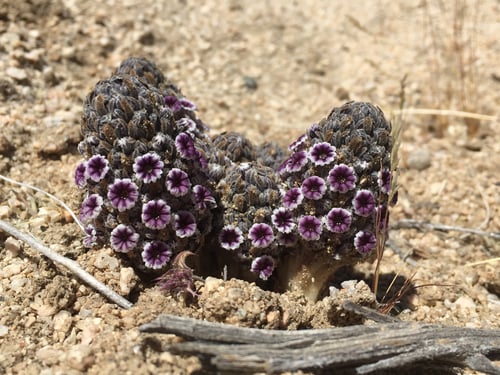
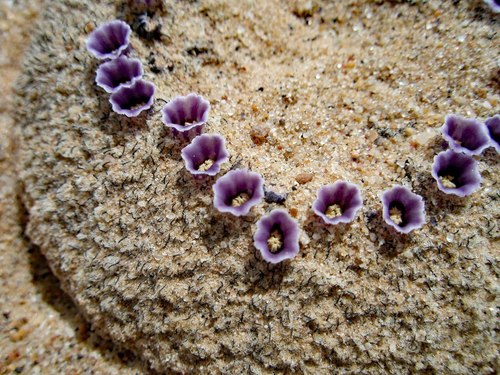
Onosma hookeri
C. B. Clarke
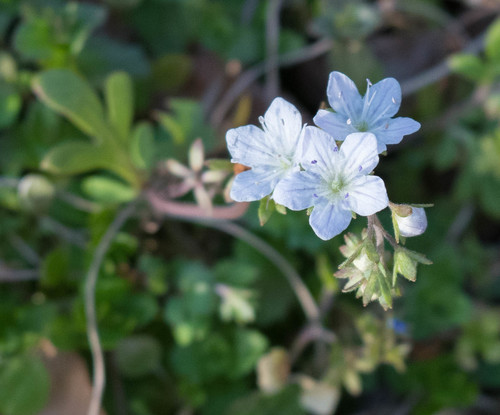
iNaturalist· cc-by-nc
(c) lougarou, some rights reserved (CC BY-NC)
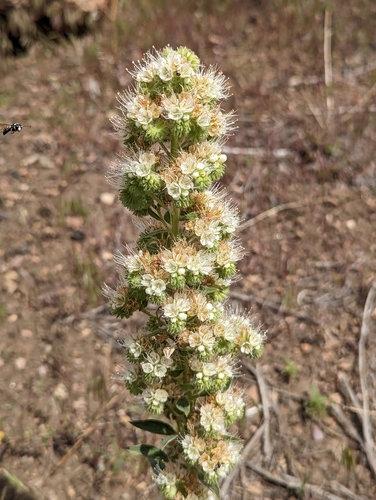
iNaturalist· cc-by-nc
(c) lougarou, some rights reserved (CC BY-NC)
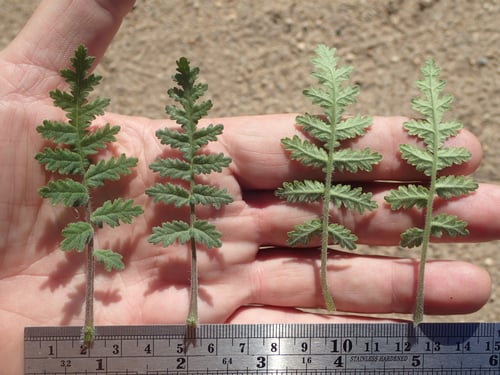
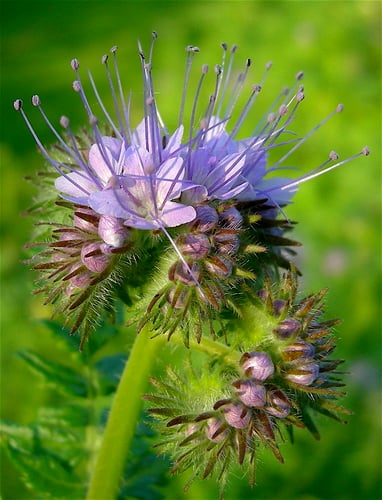
iNaturalist· cc-by-nc
(c) Wim Rubers, some rights reserved (CC BY-NC)
Description
A herb. It keeps growing from year to year. It grows 20-30 cm tall. The leaves at the base are broadly sword shaped and 5-15 cm long by o.5-1.5 cm wide. The stem leaves are narrowly sword shaped and 3-8 cm long by 4-10 mm wide.
Edible Uses
An edible red dye is obtained from the dried roasted stems. The flower nectar and root bark are also edible portions.
Traditional Uses
An edible red dye is obtained from the dried roasted stems.
This uses section is brief — help expand it
Distribution
It is a temperate plant. In Northeastern India it grows between 3,000-4,000 m above sea level.
Where It Grows
Asia, Bhutan, China, Himalayas, India, Northeastern India, Tibet,
Other Information
It is commonly used.
Also Known As
'bri-mog, Grimakpa
References (3)
- Guo, C., et al, 2022, An Ethnobotany Survey of Wild Plants Used by the Tibetan People of the Yadong River Valley, Tibet, China. Journal of Ethnobiology and Ethnomedicine
- Tsering, J., et al, 2017, Ethnobotanical appraisal on wild edible plants used by the Monpa community of Arunchal Pradesh. Indian Journal of Traditional Knowledge. Vol 16(4), October 2017, pp 626-637
- Yeshi, K. et al, 2017, Taxonomical Identification of Himalayan Edible Medicinal Plants in Bhutan and the Phenolic Contents and Antioxidant Activity of Selected Plants. TBAP 7 (2) 2017 pp 89 - 106