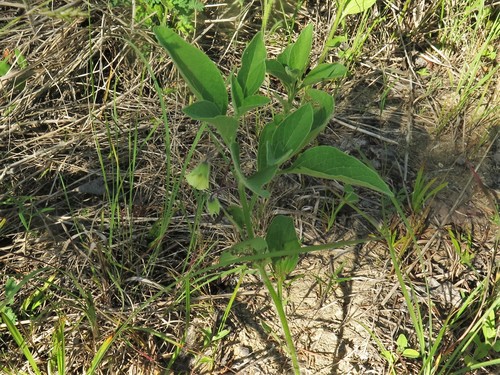
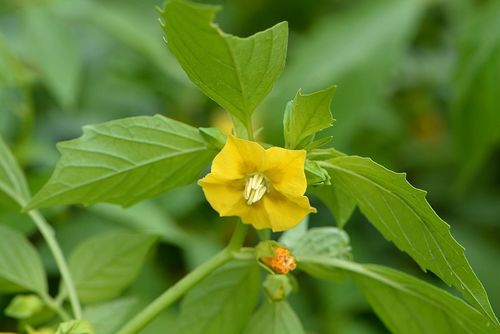
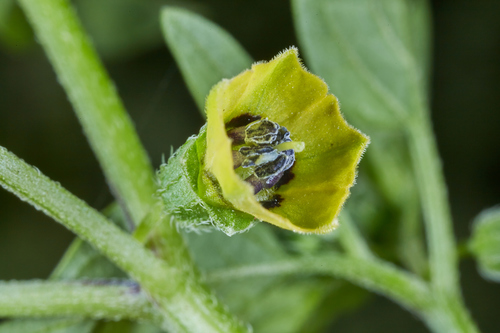
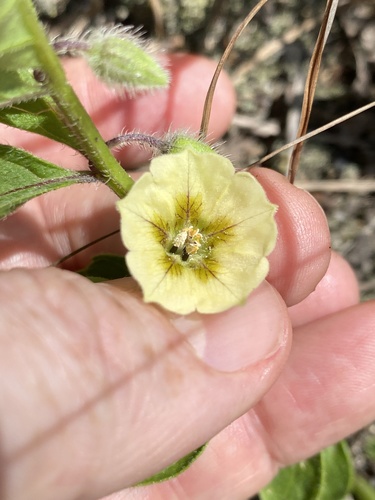
Physalis orizabae
Dunal
iNaturalist· cc-by-nc
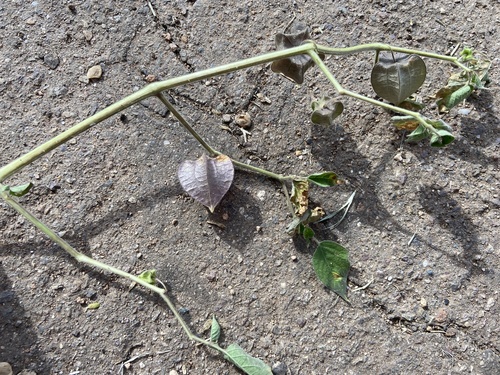
(c) Zaira Lizbeth Nava Martínez, some rights reserved (CC BY-NC)
iNaturalist· cc-by-nc
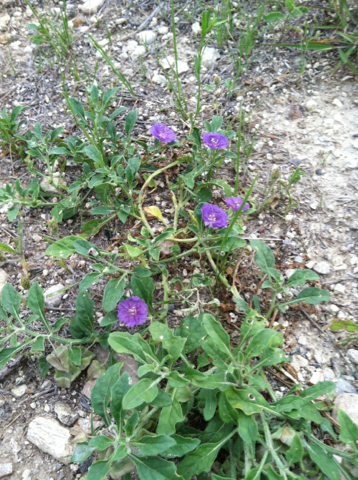
(c) Zaira Lizbeth Nava Martínez, some rights reserved (CC BY-NC)
iNaturalist· cc-by-nc
(c) Zaira Lizbeth Nava Martínez, some rights reserved (CC BY-NC)
Description
A subtropical herb in the Solanaceae family.
This description is brief — help expand it
Edible Uses
The fruit is eaten.
Medicinal Uses
The plant is used medicinally.
Known Hazards
The unripe fruits and foliage of Physalis species contain solanine and other solanidine alkaloids and are toxic if ingested in large quantities. The ripe fruiys are usually edible, and several species are cultivated for these fruits.
Distribution
It is a subtropical plant.
Where It Grows
Mexico,
Cultivation
Physalis orizabae is a plant of the wet tropics
Other Uses
This species is a wild relative of, and potential gene donor to the crops tomatillo (Physalis ixocarpa), low-ground cherry (Physalis pubescens), and Cape gooseberry (Physalis peruviana).
Synonyms
Also Known As
Juatomate amarillo, Tomate de bota
References (3)
- Cruz, I. M., et al, 2015, Edible fruits and seeds in the State of Mexico. Revista Mexicana de Ciencias Agricolas. Vol. 6. Num. 2 pp 331-346
- Piedra-Malagón, E. M., et al, 2022, Edible native plants of the Gulf of Mexico Province. Biodiversity Data Journal 10: e80565 p 31
- Segura, S., et al, 2018, The edible fruit species in Mexico. Genet Resour Crop Evol (2018) 65:1767–1793