Commelina zambesica
C. B. Clarke
iNaturalist· cc-by-nc-sa
(c) Rob Palmer, some rights reserved (CC BY-NC-SA), uploaded by Rob Palmer
Description
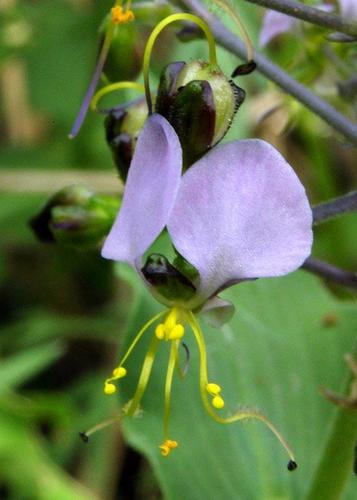
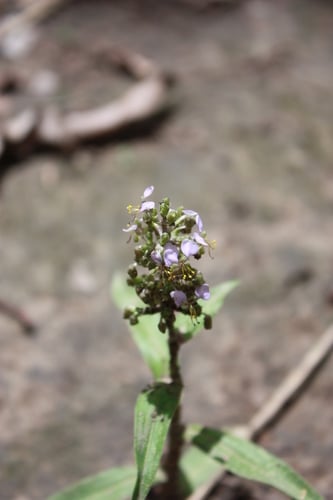
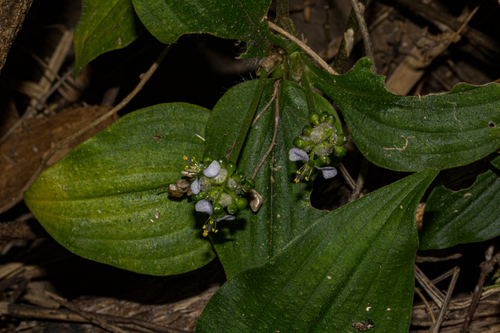
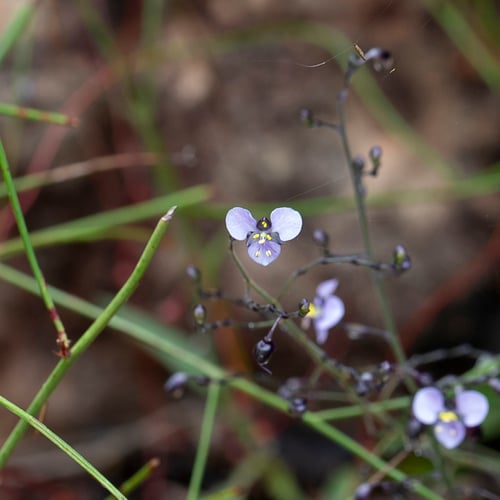
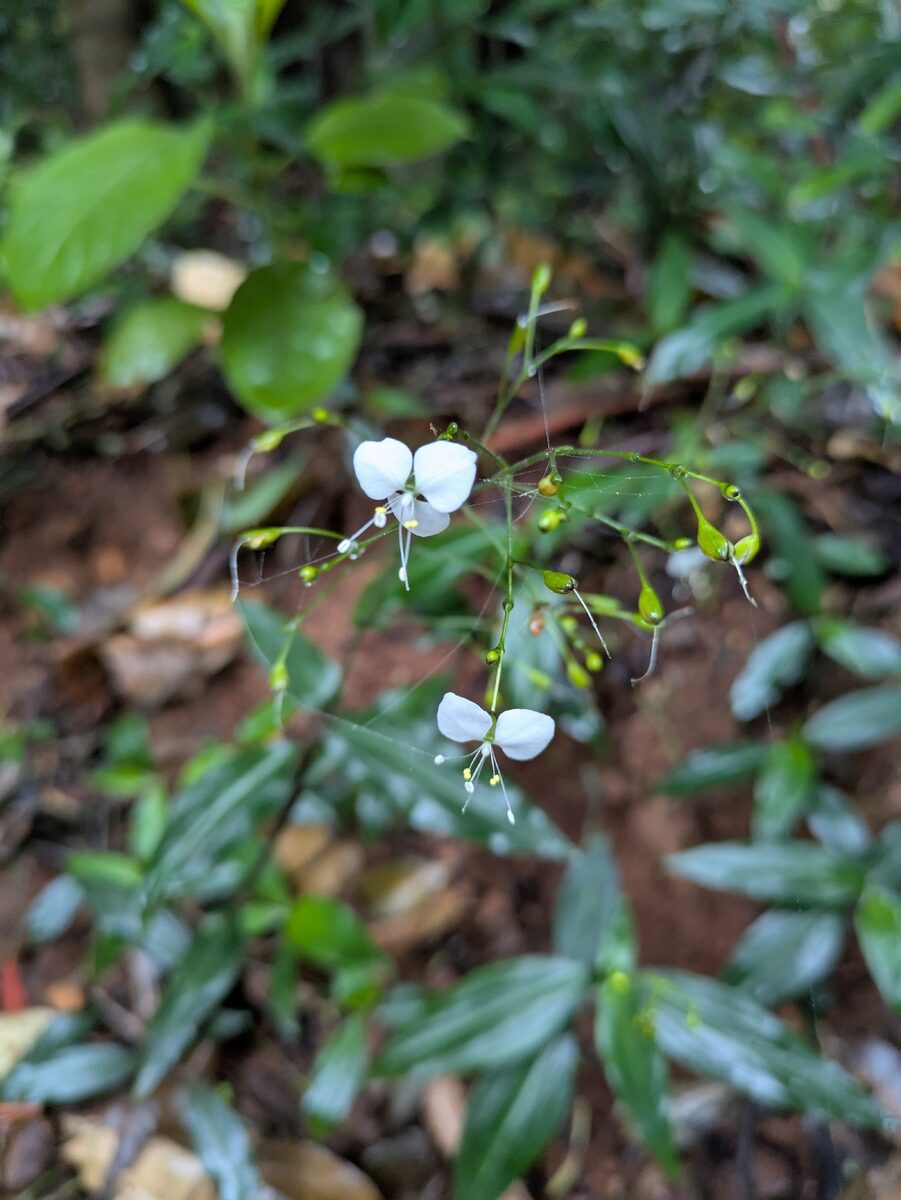
A sprawling herb. It is pale green. It has weak upright stems 1 m high. It grows each year from seeds. The leaves are narrow and 10 cm long by 2.5 cm wide. The flowers are blue. The fruit capsule is unequal and oval. There is one large seed and 2 smaller seeds.
Edible Uses
The leaves are cooked and eaten as a vegetable.
Traditional Uses
The leaves are cooked as a vegetable.
This uses section is brief — help expand it
Distribution
A tropical plant. It grows in woodland and grassland in northern Nigeria. In Ethiopia it grows between 580-1,480 m above sea level.
Where It Grows
Africa, Botswana, East Africa, Ethiopia, Namibia, Nigeria, South Africa, Southern Africa, Tanzania, West Africa, Zimbabwe,
Notes
There are about 230 Commelina species.
Also Known As
Ametegaella, Aretekodo, Gnok
References (7)
- Awas, T., 1997, A Study on the Ecology and Ethnobotany of Non-cultivated Food Plants and Wild Relatives of Cultivated crops in Gambella Region, Southwestern Ethiopia. Addis Ababa University. p 72
- Burkill, H. M., 1985, The useful plants of west tropical Africa, Vol. 1. Kew.
- Grubben, G. J. H. and Denton, O. A. (eds), 2004, Plant Resources of Tropical Africa 2. Vegetables. PROTA, Wageningen, Netherlands. p 213
- Jardin, C., 1970, List of Foods Used In Africa, FAO Nutrition Information Document Series No 2.p 69
- Lulekal, E., et al, 2011, Wild edible plants in Ethiopia: a review on their potential to combat food insecurity. Afrika Focus - Vol. 24, No 2. pp 71-121
Show all 7 references Hide references
- Martin, F.W. & Ruberte, R.M., 1979, Edible Leaves of the Tropics. Antillian College Press, Mayaguez, Puerto Rico. p 183
- World Checklist of Useful Plant Species 2020. Royal Botanic Gardens, Kew