Thevetia neriifolia
Juss. ex Steud.
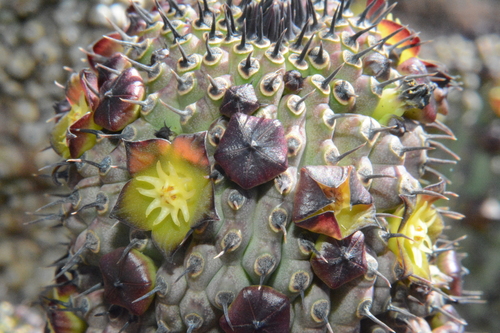
iNaturalist· cc-by-nc
(c) Juan Jose, some rights reserved (CC BY-NC)
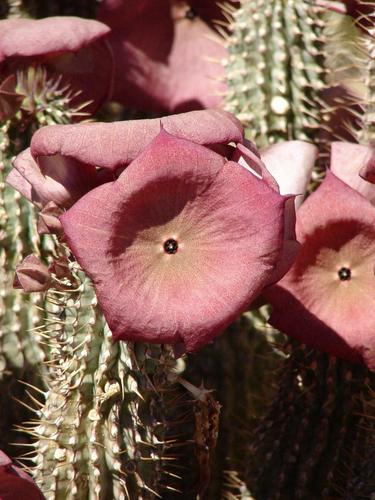
iNaturalist· cc-by-nc
(c) jacquesbor, some rights reserved (CC BY-NC)
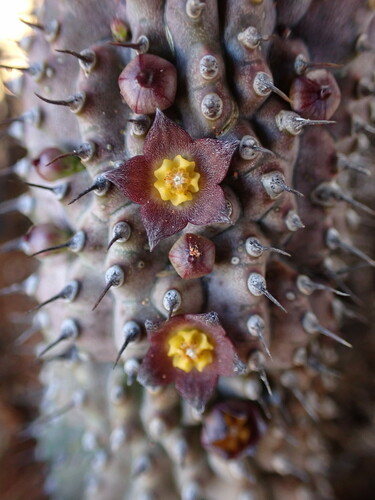
iNaturalist· cc-by-nc
(c) itzel342, some rights reserved (CC BY-NC)
Description
A shrub or small tree. It grows 6 m tall. The leaves are in rings and 25 cm long. They are dark green. The flowers are orange or yellow. The fruit are angled and green when young. The are brown to black when mature. There are 2-4 flat seeds.
Edible Uses
The fruit is eaten by some people.
Traditional Uses
The fruit is eaten by some people. The seeds are poisonous.
This uses section is brief — help expand it
Medicinal Uses
Biological pest control The plant's toxins have been tested in experiments for uses as a biological pest control. T. peruviana seed oil was used to make a 'paint' with antifungal, antibacterial and anti-termite properties.
Known Hazards
All parts of the C. thevetia plant are toxic to most vertebrates as they contain cardiac glycosides. Many cases of intentional and accidental poisoning of humans are known. The main toxins are the cardenolides thevetin A and thevetin B; others include peruvoside, neriifolin, thevetoxin and ruvoside. These cardenolides are not destroyed by drying or heating and are very similar to digoxin from Digitalis purpurea. They produce gastric upset and cardiotoxic effects. Antidotes include atropine and digoxin immune fabs (antibodies) and treatment may include oral administration of activated charcoal. Ovine polyclonal anti-digitoxin Fab fragment antibody (DigiTAb; Therapeutic Antibodies Inc.) can be used to treat T. peruviana poisoning, but in many countries the cost is prohibitively high. A few bird species are, however, known to feed on them without any ill effects. These include sunbirds, Asian koel, red-whiskered bulbul, white-browed bulbul, red-vented bulbul, brahminy myna, common myna and common grey hornbill. In South India and in Sri Lanka, swallowing the seeds of Thevetia peruviana (Kaneru කණේරු (Sinhala), Manjal arali (Tamil)) is one of the preferred methods for suicides in villages where they are grown in abundance. Extracts from C. thevetia are reported to possess antispermatogenic activity in rats. In 2023, the US Centers for Disease Control and Prevention (CDC) and Food and Drug Administration (FDA) reported on weight loss supplements which had substituted Crataegus mexicana and Aleurites moluccanus for C. thevetia, following multiple hospitalizations.
Distribution
It is a tropical plant.
Where It Grows
Asia, India,
Also Known As
Manjal arali, Pila kaner, Zard kunel
References (2)
- Kannan, M., et al, 2015, Ethnobotanical survey on wild edible plants of Kalrayan Hills, Salem District, Tamil Nadu, India. Global J. Res. Med Plants & Indigen. med. 4(12): 236-246
- Wild edible plants of Himachal Pradesh