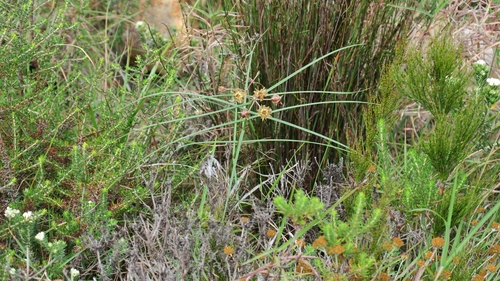
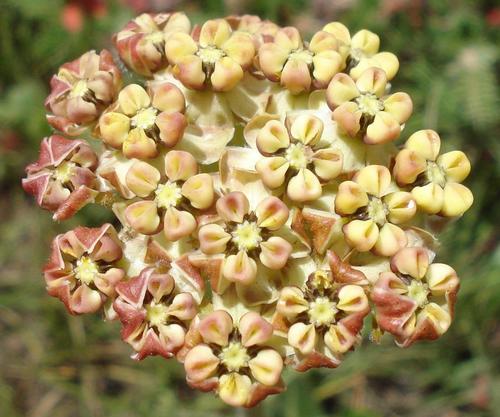
Gongronema angolense
(N. E. Br.) Bullock
gbif· cc-by-sa
GBIF
Description
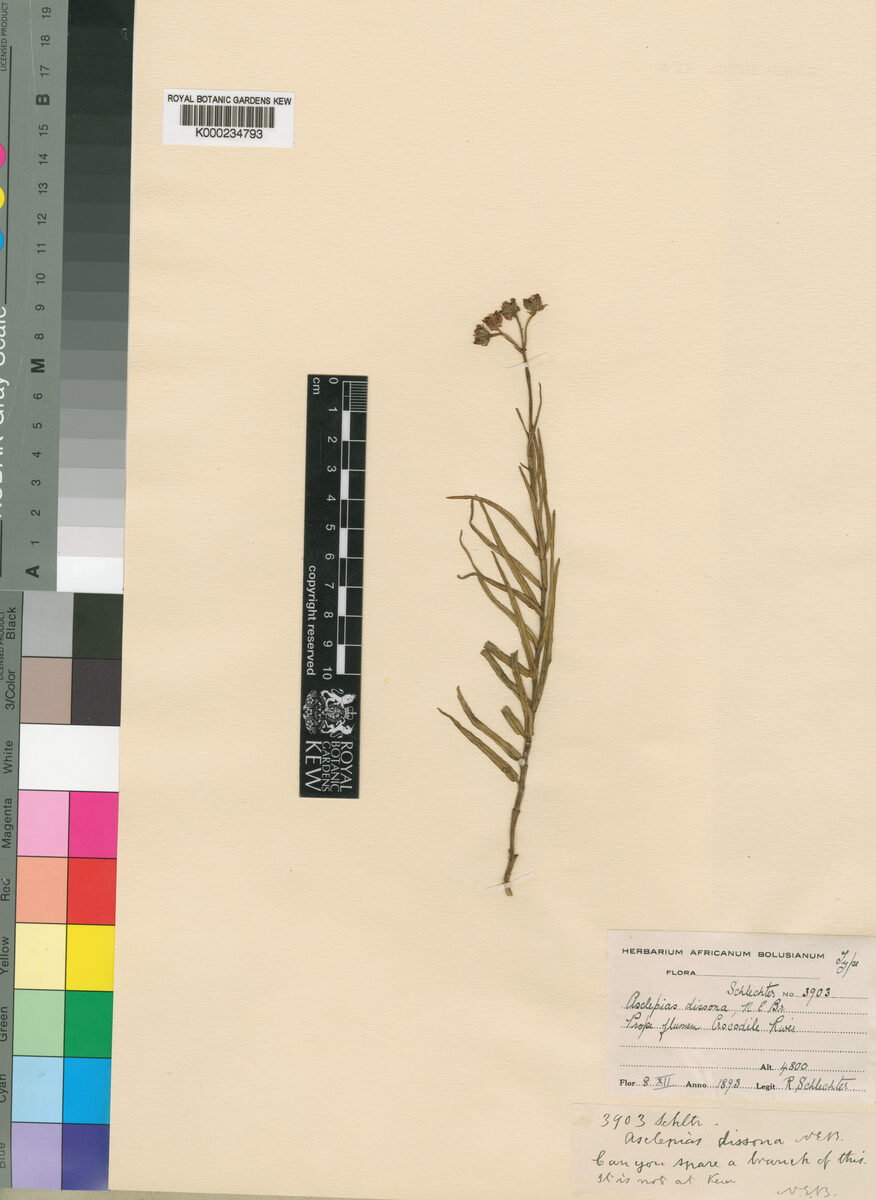
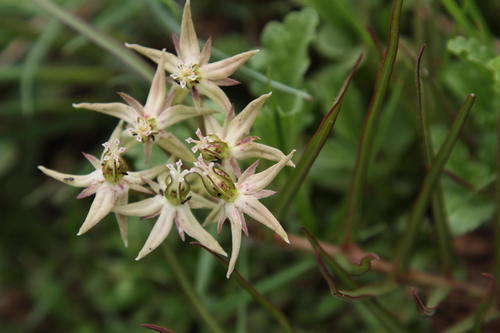
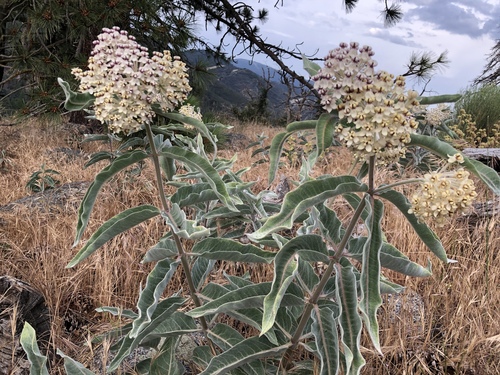
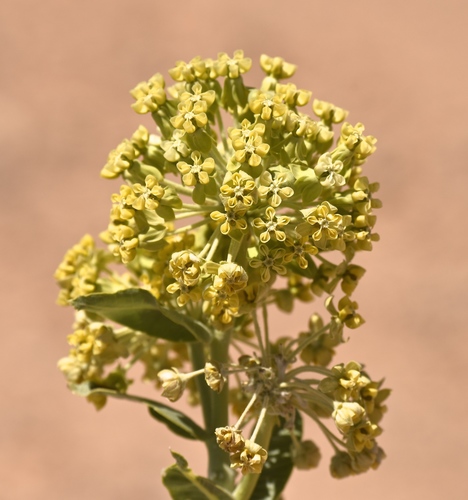
A slender climber. It grows 3-4 m long. It climbs trees. It has a woody base and fleshy roots. The leaves are opposite and simple. They have soft hairs. The leaf stalk is 4 cm long. The leaves are oval and 5-14 cm long by 3-10 cm wide. The base is heart shaped and it tapers to the tip. The flowers are in a cluster, with 10-14 flowers on each branch. The flowers are tube shaped. The fruit is a pair of leathery follicles that hang down. These are cylinder shaped and 10-15 cm long by 4-8 mm wide. They have dense brown hairs.
Edible Uses
The thick fleshy roots are eaten, particularly by children, as a vegetable.
Traditional Uses
The thick fleshy roots are eaten by children.
This uses section is brief — help expand it
Distribution
It is a tropical plant. It grows in secondary vegetation in tropical Africa. It grows in dry locations from sea level to 1,800 m above sea level.
Where It Grows
Africa, Benin, Cameroon, Central Africa, Côte d'Ivoire, East Africa, Ghana, Guinea, Guinée, Ivory Coast, Liberia, Nigeria, Rwanda, Sierra Leone, Togo, West Africa, Zimbabwe,
Other Information
It is eaten especially by children.
Notes
There are 5 Gongronema species. They are in Africa. It has also been put in the family Asclepiadaceae.
Synonyms
Also Known As
Umuroondoroondo
References (3)
- Burkill, H. M., 1985, The useful plants of west tropical Africa, Vol. 1. Kew.
- Grubben, G. J. H. and Denton, O. A. (eds), 2004, Plant Resources of Tropical Africa 2. Vegetables. PROTA, Wageningen, Netherlands. p 307
- von Katja Rembold, 2011, Conservation status of the vascular plants in East African rain forests. Dissertation Universitat Koblenz-Landau p 168