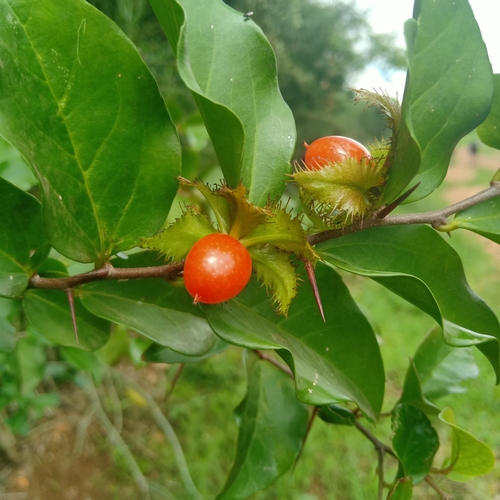
Xylosma venosa
N. E. Br.
Aiuba
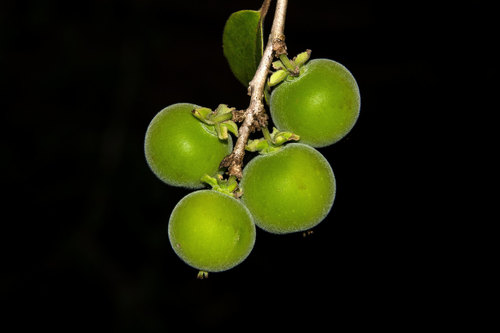
iNaturalist· cc-by-nc
(c) Leonardo Adrián LEIVA, some rights reserved (CC BY-NC), uploaded by Leonardo Adrián LEIVA
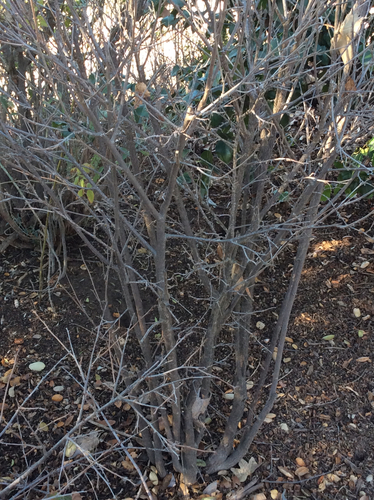
iNaturalist· cc-by
(c) Tomás Tamagno, some rights reserved (CC BY), uploaded by Tomás Tamagno
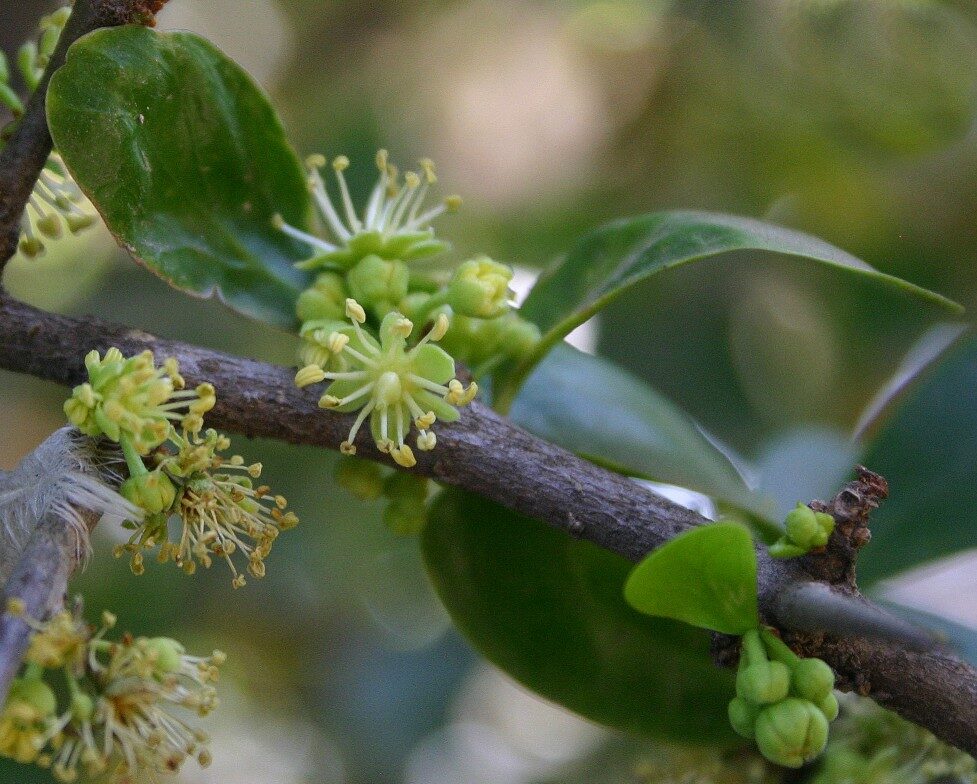
iNaturalist· cc-by
(c) Tomás Tamagno, some rights reserved (CC BY), uploaded by Tomás Tamagno
Description
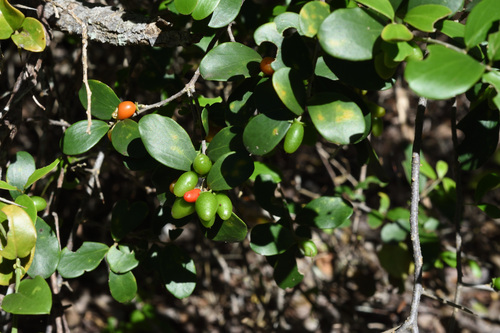
A small tropical tree 3–6 m tall in the Salicaceae family.
This description is brief — help expand it
Edible Uses
The main use for the genus is as hedge and topiary plants among gardeners in desert and chaparral climates. Xylosma congesta is the species usually seen in garden hedges and in road landscaping, despite the fact it bears thorns. Other species cultivated for these purposes include X. bahamensis, X. flexuosa, and X. spiculifera (syn. X. heterophylla). X. longifolia is sometimes grown in India for its edible fruits. In addition, a medicinal extract is made from its young leaves that acts as antispasmodic, narcotic, and sedative. 15 species of the genus have reported medicinal or veterinary use.
Distribution
It is a tropical plant.
Where It Grows
Brazil, South America,
Cultivation
Succeeds in full sun to moderate dappled shade. Found in the wild on a range of soil types, but favours very well-drained rocky soils. Young plants have a fast rate of growth.
Propagation
Seed - best sown as soon as it is ripe in a partially shaded position in a nursery seedbed. A germination rate of more than 30% can be expected, with the seed sprouting within 20 - 30 days.
Other Uses
The wood is medium-textured, straight-grained, moderately heavy, fairly hard, quite durable. Because of its small size it is only used for purposes such as tool handles. The wood is used for fuel. A fast-growing tree that is tolerant of full sun and supplies food for the native fauna; it can be used as part of a planting scheme for restoring native woodland.
Synonyms
References (1)
- www.colecionandofrutas.org