Solanum atropurpureum
Schrank
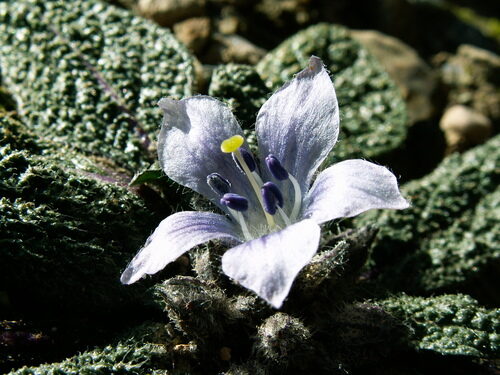
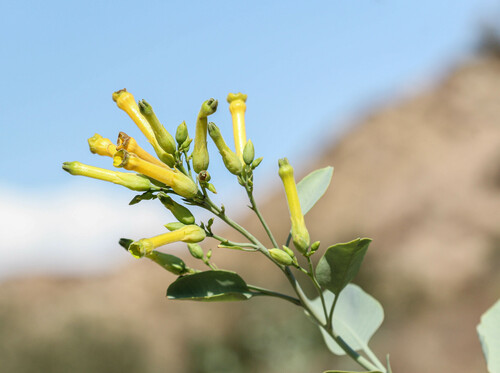
iNaturalist· cc-by
(c) Dr. Boli, some rights reserved (CC BY)
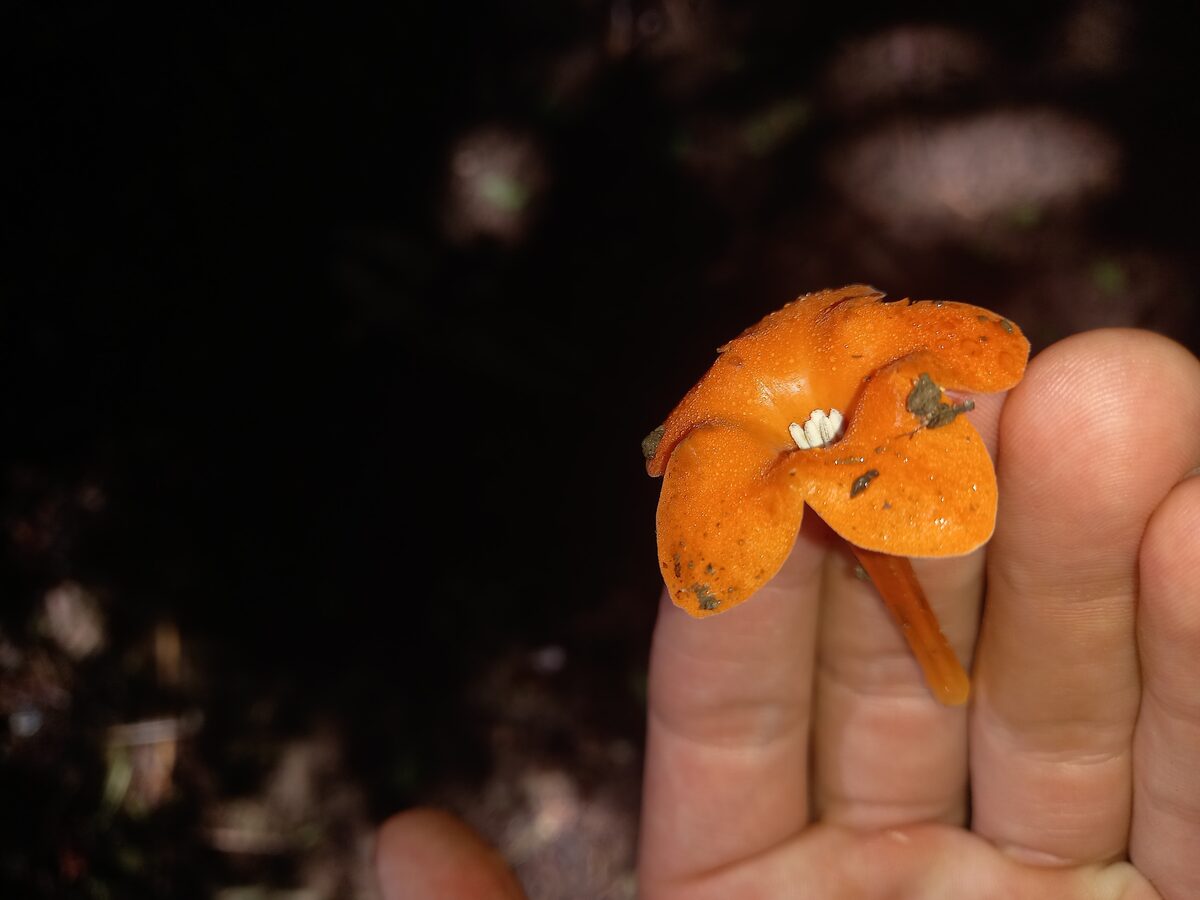
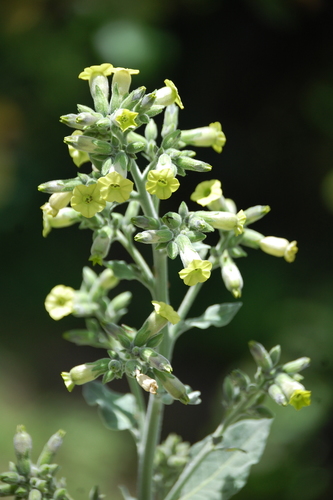
iNaturalist· cc-by-nc-sa
(c) Thomas Knox, some rights reserved (CC BY-NC-SA)
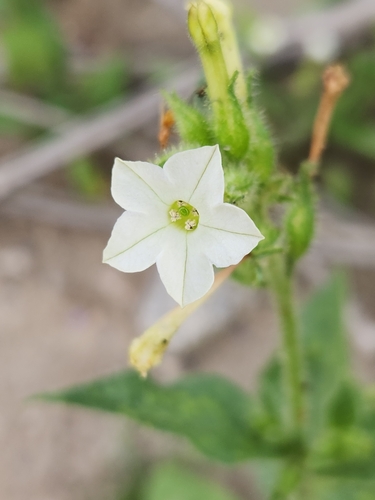
iNaturalist· cc-by-nc-sa
(c) Thomas Knox, some rights reserved (CC BY-NC-SA)
Summary
Source: WikipediaSolanum atropurpureum, commonly known as malevolence, purple devil and the five-minute plant, is a perennial herbaceous plant native to Brazil. S. atropurpureum contains various toxic tropane alkaloids in its fruit, stems, and leaves, and should not be ingested. The plant is a shrub growing 1.2 to 1.8 meters in height and 90 to 120 cm in width with ovate, spade shaped leaves 5 to 10 cm long when fully grown. It blooms yellow to white flowers in the late spring to mid summer, and produces small (1–2 cm wide) orange fruit. The fruit's juices can be irritating to the touch, so it is recommended that gloves be used when removing or handling. The plant is short lived with a 3 to 5-year lifespan. The plant is characterized by its purple stems, which are completely covered by striking purple and green thorns about 2 cm long, from which its common names are ostensibly derived. These are known as 'prickles' and are not present on its edible eggplant cousin, due to differences in the LOG gene. The plant can be grown ornamentally, requiring full sun and modest water. The plant is known to grow in a wide variety of soils and can resist temperatures as low as −10 °C (14 °F) for a few days. Seeds can be harvested from the fruits, and stem cuttings can be used to grow the plant in about 10 to 20 days. It is also known as a natural reservoir of the potato virus X.
Description
An annual tropical herb growing to 1.5 m tall from seed, belonging to the Solanaceae family.
This description is brief — help expand it
Edible Uses
The fruit is edible.
Distribution
It is a tropical plant.
Where It Grows
Brazil, South America,
Synonyms
References (1)
- www.colecionandofrutas.org