Coccocypselum lanceolatum
(Ruiz & Pav.) Pers.
Cauabori
iNaturalist· cc-by-nc
(c) humbertomendozacifuentes, some rights reserved (CC BY-NC), uploaded by humbertomendozacifuentes
iNaturalist· cc-by-nc
(c) humbertomendozacifuentes, some rights reserved (CC BY-NC), uploaded by humbertomendozacifuentes
iNaturalist· cc-by-nc
(c) Hinko Talsma, some rights reserved (CC BY-NC), uploaded by Hinko Talsma
Description
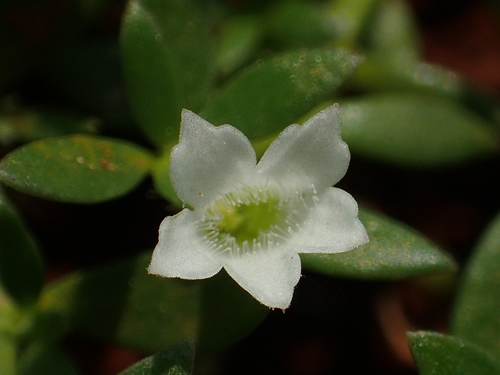
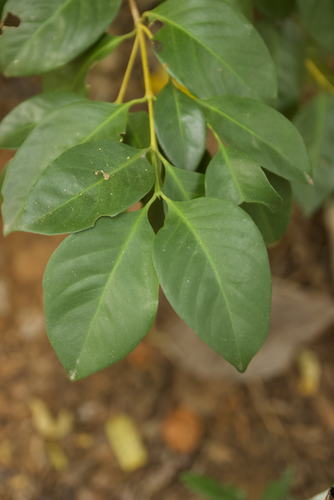
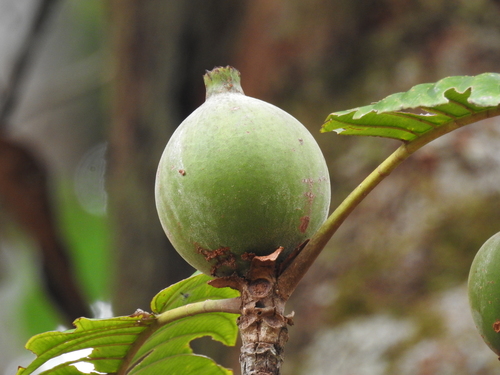
A herb. It has velvety hairs. The leaves are 2-8 cm long by 1-3 cm wide. They are oval or spear shaped and there are hairs along the edge. The flowers are in a group at the top of the plant. There are 5-11 flowers in a bunch. The fruit are blue and pear shaped. They are 1-3 cm long by 6 mm wide. There are several small seeds.
Edible Uses
The blue fruit can be eaten fresh or used to make juices, sweets, or ice-cream.
Traditional Uses
Fruit can be eaten fresh or used for juices, sweets or ice-cream.
This uses section is brief — help expand it
Distribution
It is a tropical plant. It grows in sunny places and also in shade. It grows from sea level to 1,000 m above sea level. It can tolerate frost ad drought.
Where It Grows
Argentina, Brazil, Central America, Mexico, South America,
Cultivation
Plants can be grown from seeds. Seeds can take a year to germinate. They have a dormancy. A spacing of 50 cm is suitable.
Production
Plants fruit when 2 years old. In South America plants fruit February to July.
Synonyms
Also Known As
Little blueberry
References (1)
- www.colecionandofrutas.org