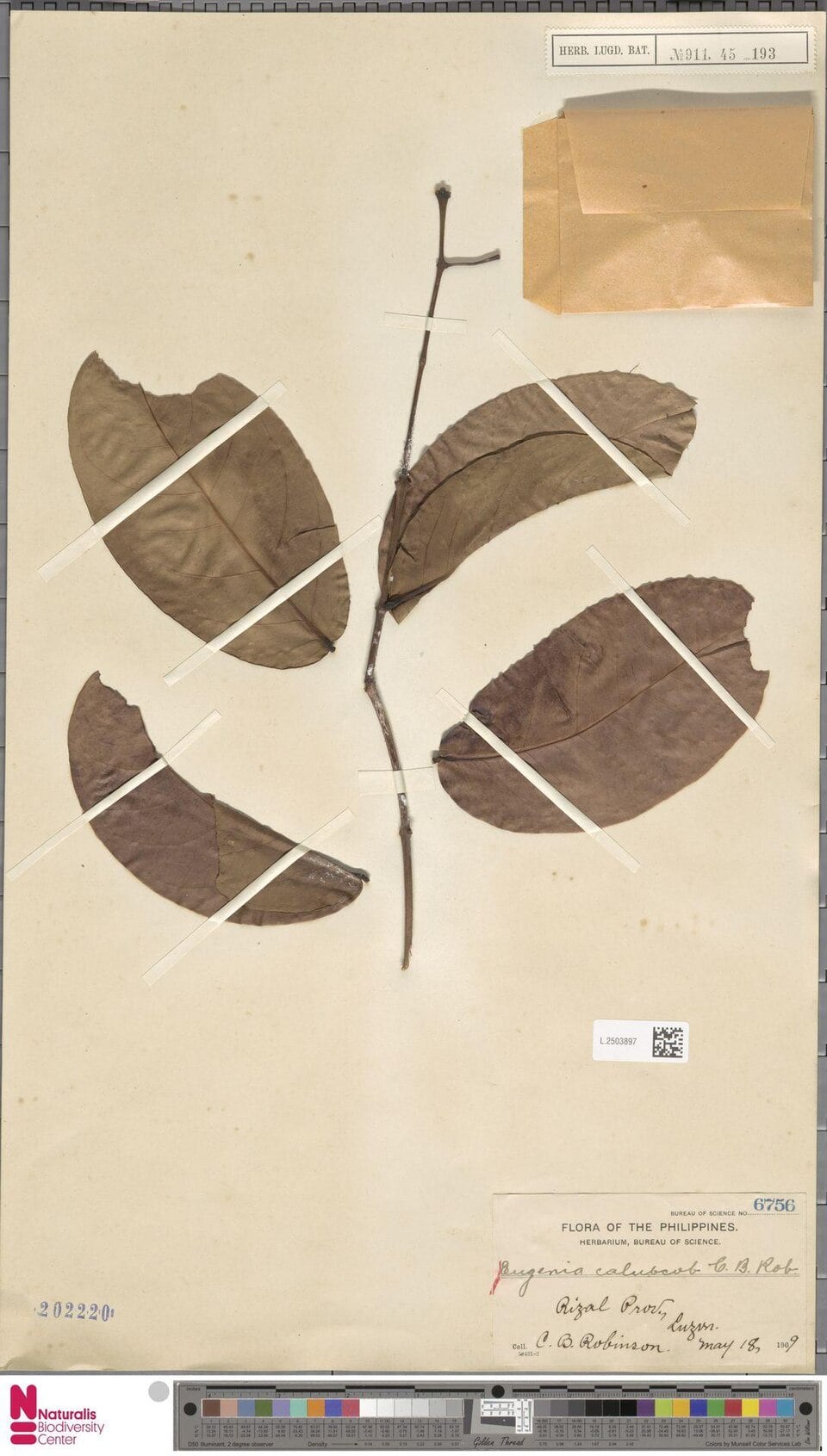
Campomanesia sessiliflora var. bullata
(O. Berg.) Mattos
Guabiroba-verde
gbif· cc-by-nc
Arizona State University Vascular Plant Herbarium (ASU-Plants)
gbif· cc-by-nc
Arizona State University Vascular Plant Herbarium (ASU-Plants)
gbif· cc-by-nc
Arizona State University Vascular Plant Herbarium (ASU-Plants)
Description
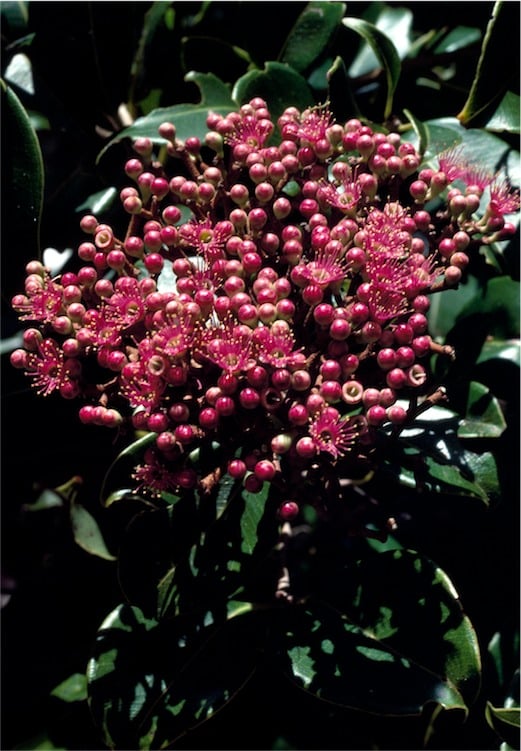
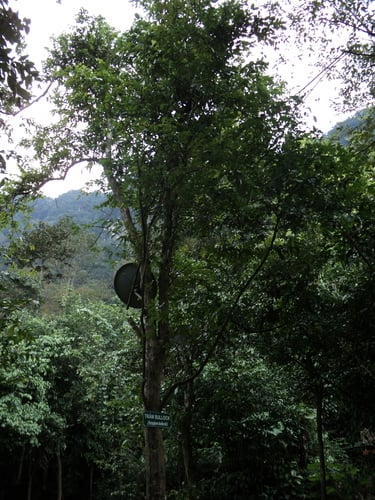
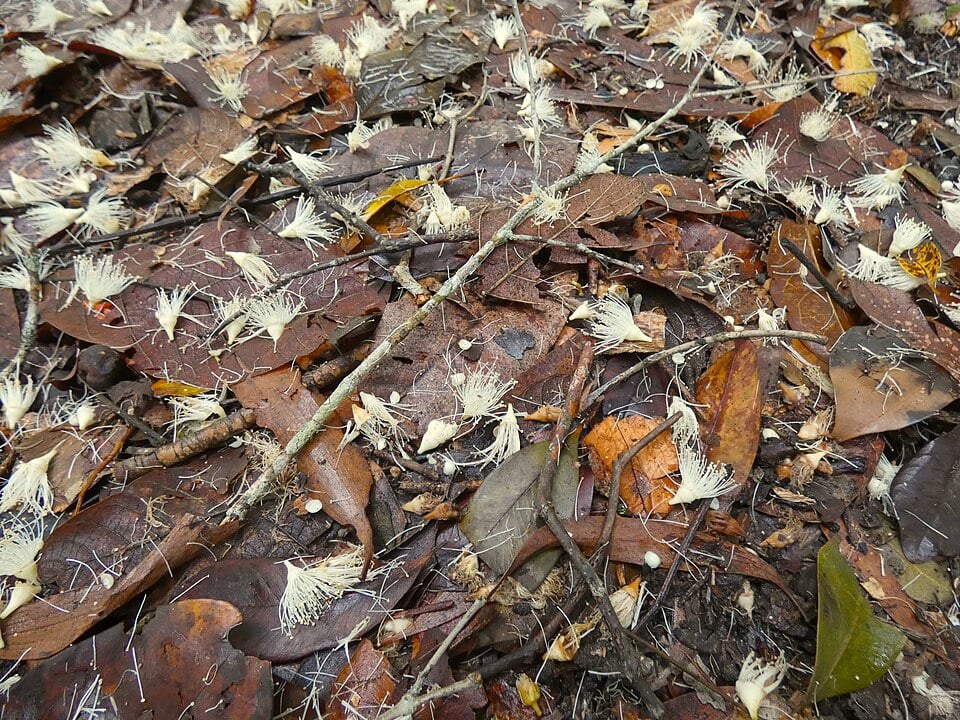
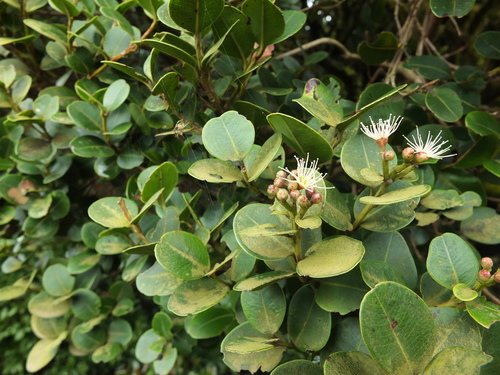
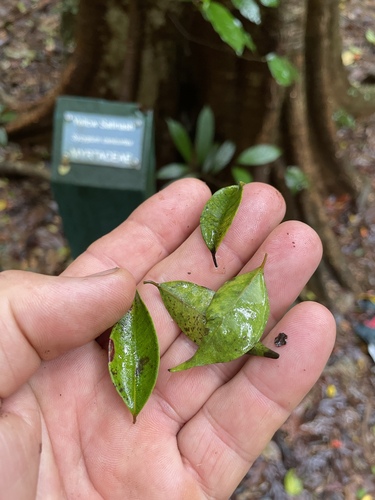
A shrub or small tree. It grows 3-6 m high. The trunk is grooved and 15-25 cm across. The flower stalks are densely hairy. They are 1-12 mm long and shorter than the flower buds. The leaves are narrowly oval and 4-12 cm long by 2-6 cm wide. The leaves have 5-7 pairs of side veins. The flowers occur singly or in groups of 2-3. The fruit have a juicy firm flesh.
Edible Uses
The fruit are eaten fresh and are popular.
Traditional Uses
The fruit are eaten fresh.
This uses section is brief — help expand it
Distribution
A tropical plant. It grows naturally in the savannas and fields in central Brazil.
Where It Grows
Brazil*, South America,
Cultivation
Plants are grown from seeds. The seeds are collected from ripe fruit and put into a plastic bag to partly decompose then washed in running water. The seeds need to be planted fresh and are best in light shade. Seedlings emerge in 40-50 days.
Production
Plants grow at a moderate rate.
Other Information
The fruit are popular.
Notes
There are at least 11 Campomanesia species.
Synonyms
References (1)
- www.colecionandofrutas.org