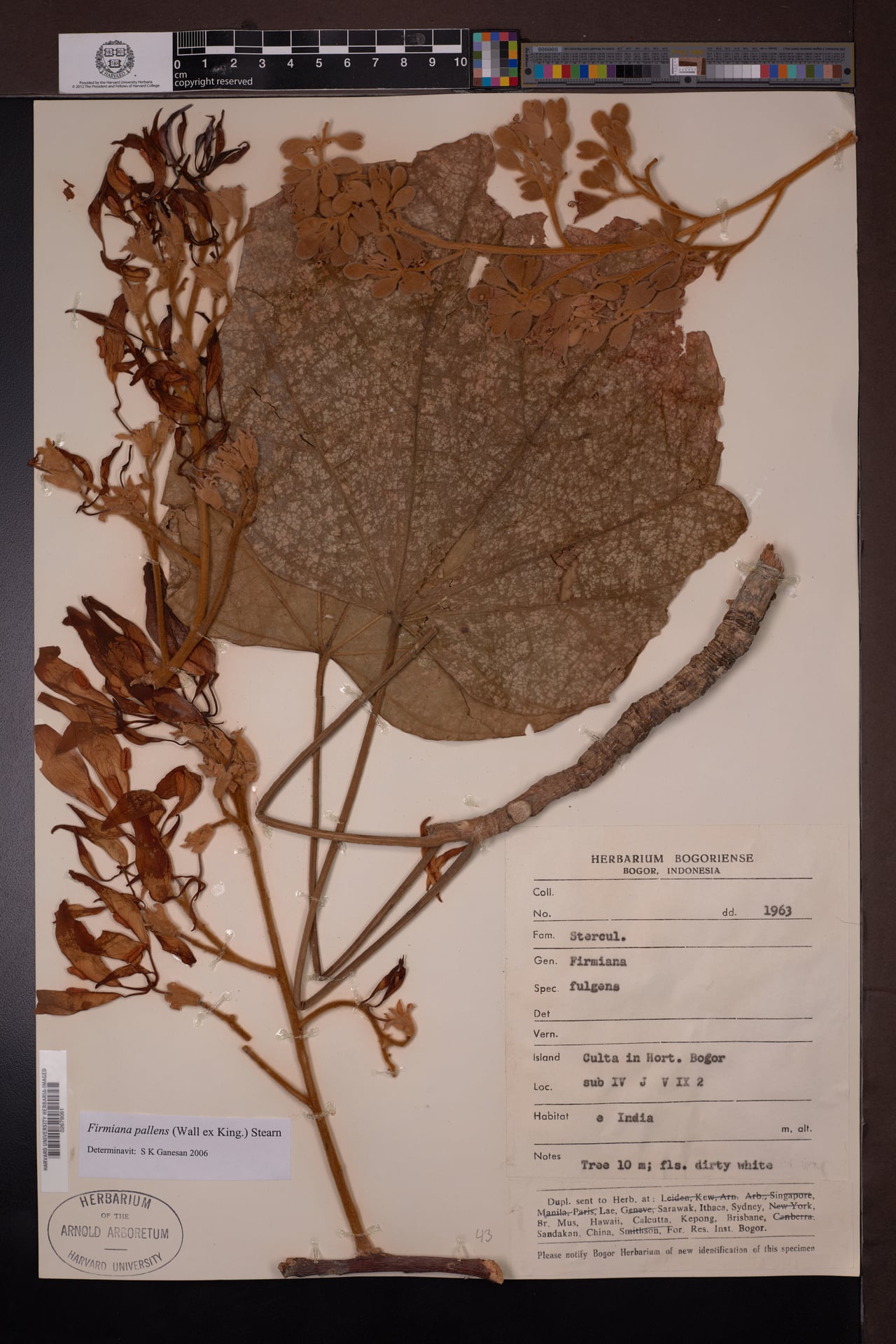
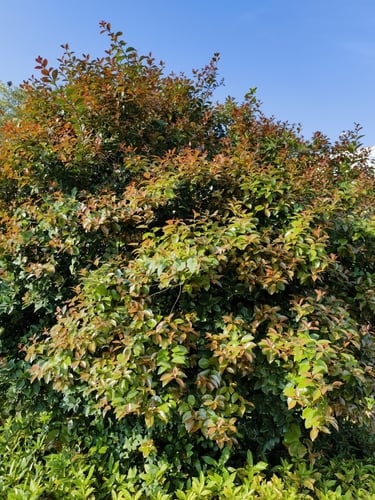
Cola heterophylla
(P. Beauv.) Schott et Endl.
iNaturalist· cc-by-nc
(c) Carel Jongkind, some rights reserved (CC BY-NC), uploaded by Carel Jongkind
Description
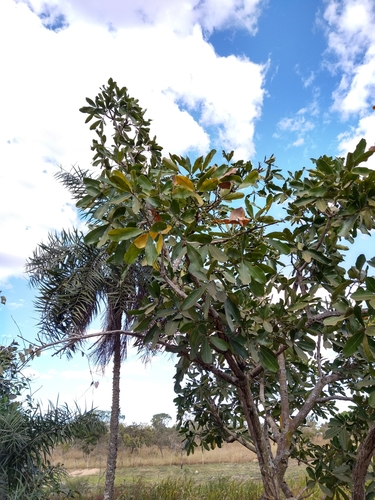
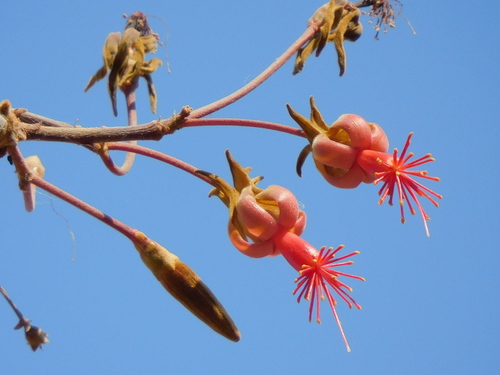
A tropical shrub growing 3 m high found in the undergrowth of evergreen rainforests in West Africa.
This description is brief — help expand it
Edible Uses
The leaves are eaten as a vegetable, the fruit are eaten raw, and the nuts are consumed.
Traditional Uses
The leaves are eaten as a vegetable. The fruit are eaten raw.
This uses section is brief — help expand it
Distribution
A tropical plant. It grows in the undergrowth in evergreen rain-forest in West Africa.
Where It Grows
Africa, Central Africa, Congo, Congo R, Côte d'Ivoire, Gabon, Ghana, Ivory Coast, Nigeria, Sierra Leone, West Africa,
Notes
Also put in the family Sterculiaceae.
Also Known As
Bwujeha, Kofa-gole, Nyabule, Okoupo, We-ana
References (9)
- Burkill, H. M., 1985, The useful plants of west tropical Africa, Vol. 5. Kew.
- Diop, A. l., et al, 2021, Cultural importance of wild edible plants in three sympatric communities: Agni, Akyé and Gwa in the Department of Alépé (Southeast of Côte d’Ivoire). Ethnobotany Research and Applications 22:35. p 6
- Grubben, G. J. H. and Denton, O. A. (eds), 2004, Plant Resources of Tropical Africa 2. Vegetables. PROTA, Wageningen, Netherlands. p 560
- Jardin, C., 1970, List of Foods Used In Africa, FAO Nutrition Information Document Series No 2.p 33
- Melet. bot. 33. 1832
Show all 9 references Hide references
- Menninger, E.A., 1977, Edible Nuts of the World. Horticultural Books. Florida p 41
- Nkeoua, G. & Boundzanga, G. C., 1999, Donnees sur les produits forestieres non ligneux en Republique du Congo. FAO. p 22
- Wickens, G.E., 1995, Edible Nuts. FAO Non-wood forest products. FAO, Rome. p154
- World Checklist of Useful Plant Species 2020. Royal Botanic Gardens, Kew