Coffea congensis
A. Froehner
Congo coffee
wikimedia· cc-by-sa
Wikimedia Commons - Fiver, der Hellseher
wikimedia· cc0
Wikimedia Commons
Description
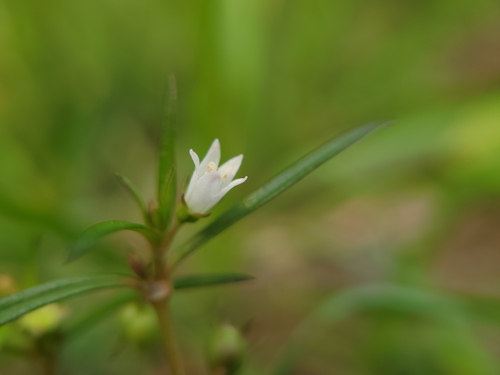
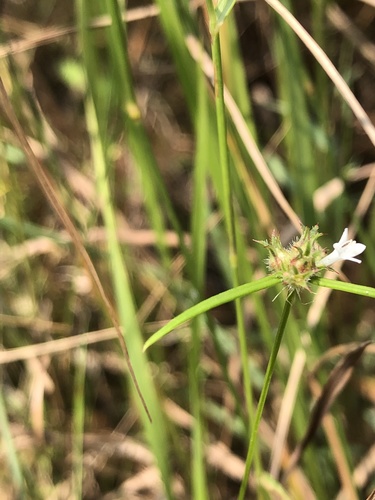
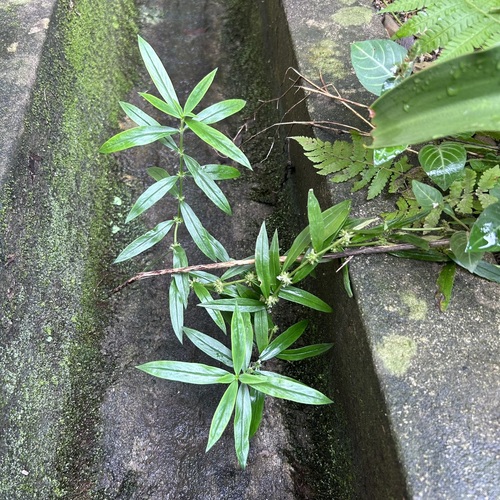
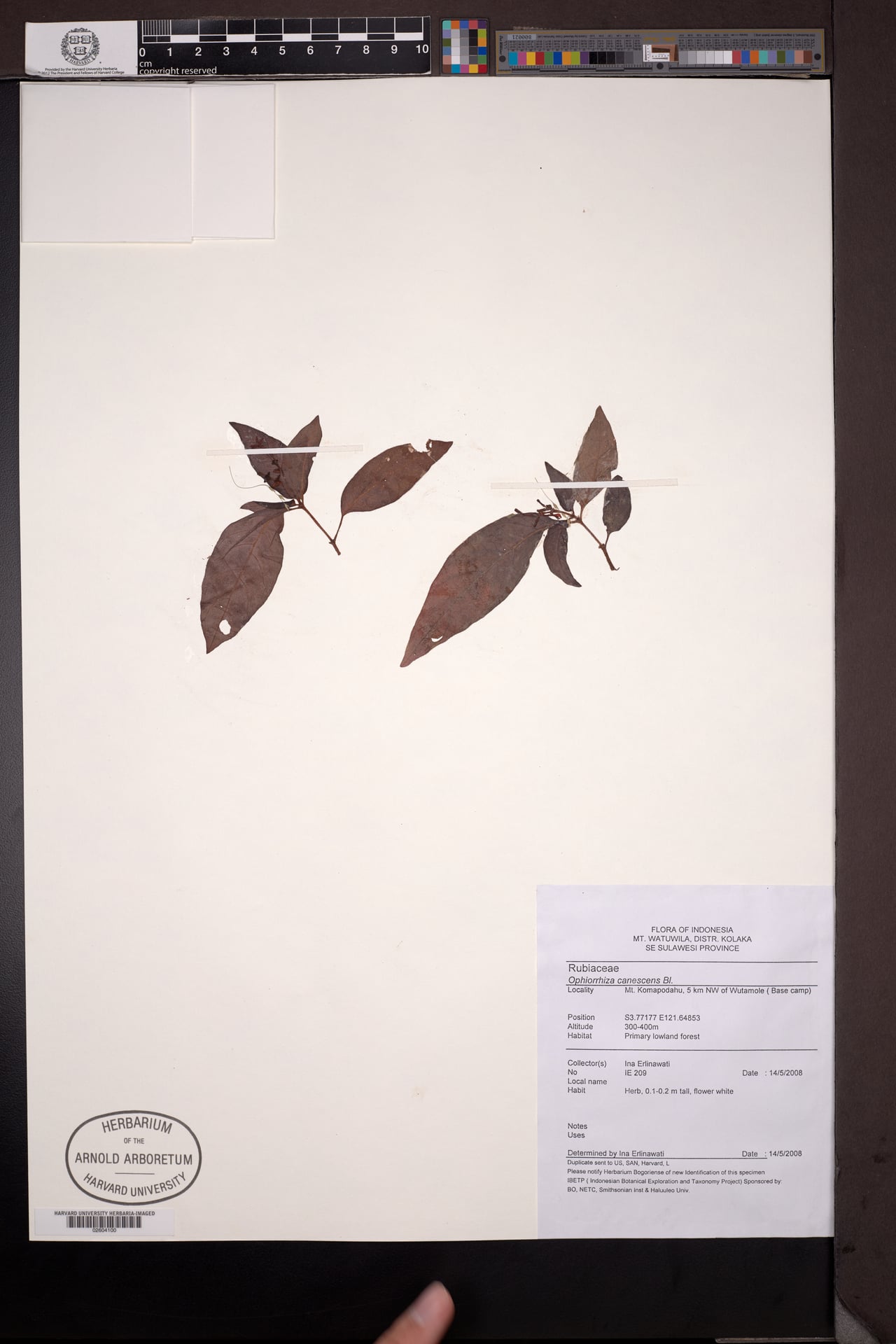
A shrub or small tree. It grows 4 m tall. The branches are flattened. The leaves are narrowly sword shaped and 8-15 cm long by 3-7 cm wide. There are 1-4 groups of flowers in each leaf axil. These have 2-4 flowers in each. The flowers are funnel shaped and white. The fruit is red and oval and 10-12 mm long by 8-10 mm wide.
Edible Uses
The seeds are roasted and ground into a powder to be used as a drink. Rich in caffeine, it is strongly stimulating. The seeds are smaller than in the more commonly cultivated species of coffee.
Distribution
A tropical plant. It grows in seasonally flooded forest and along rivers.
Where It Grows
Africa, Asia, Cameroon, Central Africa*, Central African Republic, CAR, China, Congo DR, Congo R,
Cultivation
A plant of the lowland humid tropics. Prefers a well-drained fertile, neutral to slightly acid soil. Readily hybridises with C. canephora to form the well-known hybrids 'Congusta' of Java and the CxR cultivar of India. This species is generally not planted for coffee production, but is often kept in germ plasm collections for use in breeding programmes.
Propagation
Propagation is usually by seed. The viability of the seeds is comparatively short, depending upon conditions, and it is advisable to plant within 2 months of harvesting. The older the seeds, the longer they take to germinate and they lose viability. They can be planted with the parchment attached but germination is quicker when it is removed. Seedlings can be raised in shaded nurseries, planting them out into their permanent positions when 6 - 12 months old. Layering Air layering Budding. For rooting of coffee cuttings, the single leaf-bud cutting is commonly used.
Production
In Central African Republic it flowers and fruits often throughout the year.
Notes
There are about 40 Coffea species.
Synonyms
References (4)
- Ferwerda, F.P., 1979, Coffees, in Simmonds, N.W., (ed), Crop Plant Evolution. Longmans. London. p 259
- Notizbl. Koenigl. Bot. Gart. Berlin 1:230, 235. 1897
- Wiersema, J. H. & Leon, B., 2013, World Economic Plants. A Standard Reference CRC Press. 2nd Ed. p 190
- World Checklist of Useful Plant Species 2020. Royal Botanic Gardens, Kew