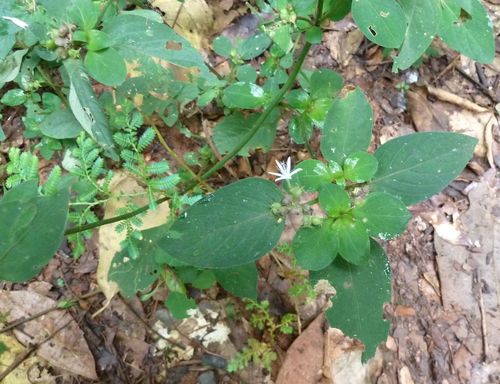
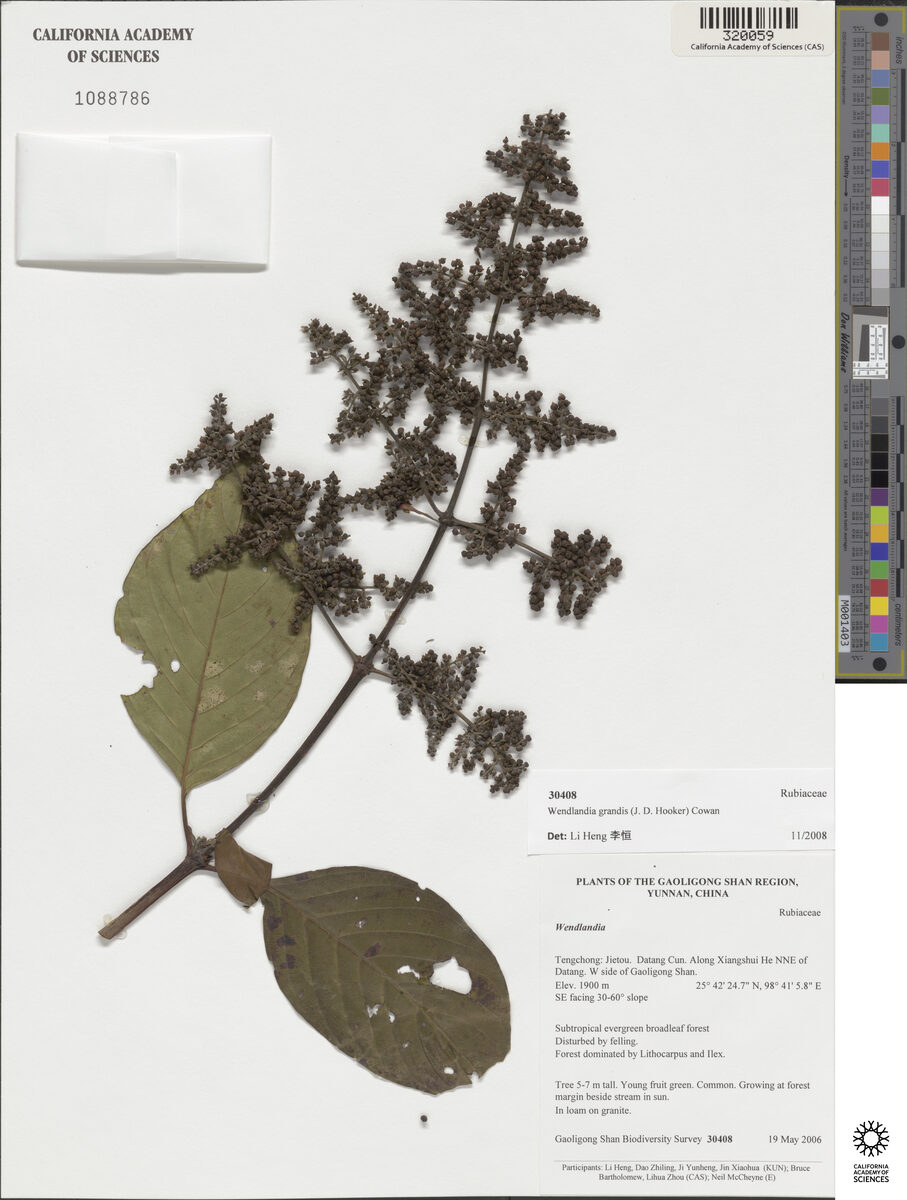
Coffea canephora
Pierre ex Froehner
Coffee (Robusta)
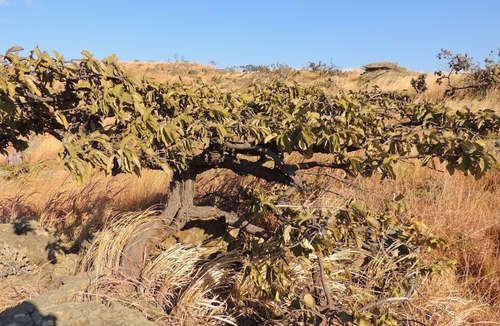
iNaturalist· cc-by-nc
(c) Irfan Nurarifin, some rights reserved (CC BY-NC), uploaded by Irfan Nurarifin
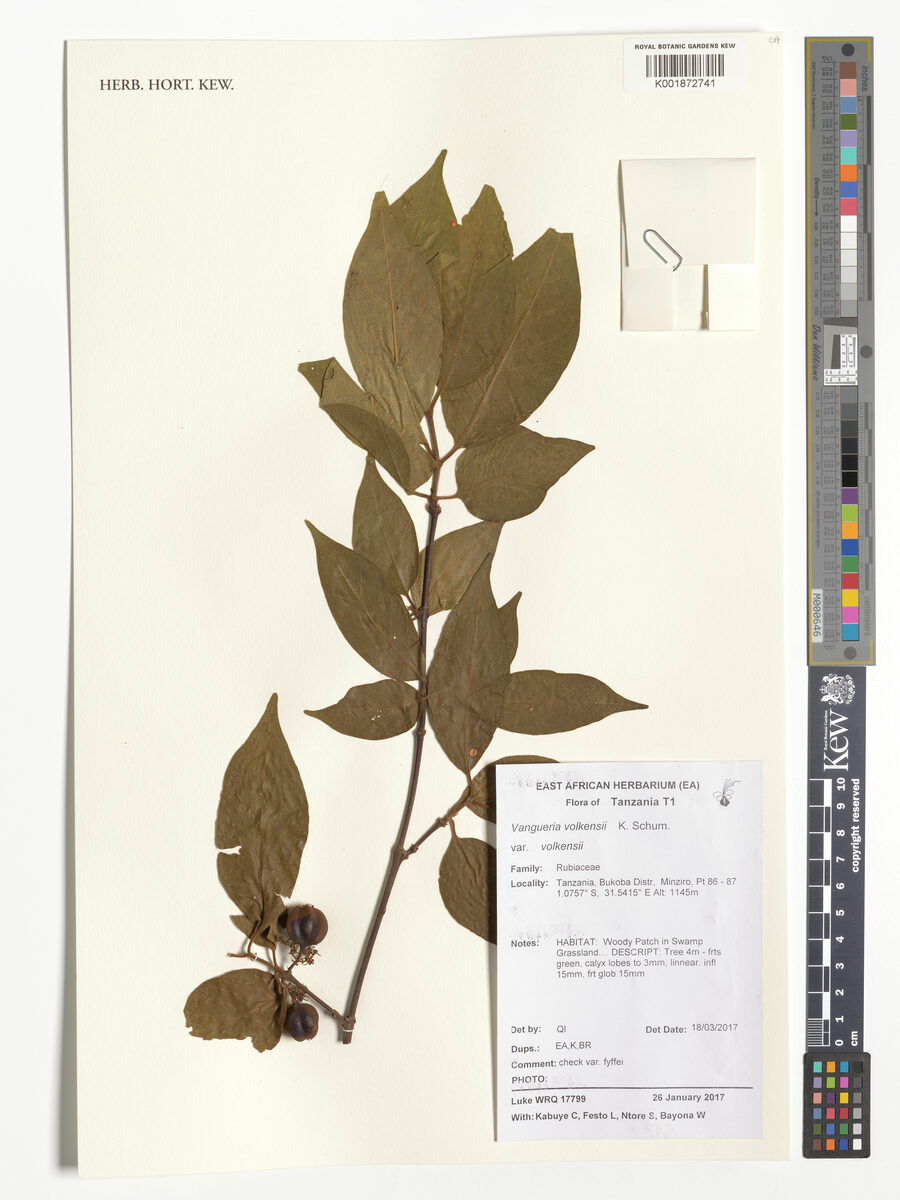
iNaturalist· cc-by-nc
(c) Luiz Moschini, some rights reserved (CC BY-NC), uploaded by Luiz Moschini
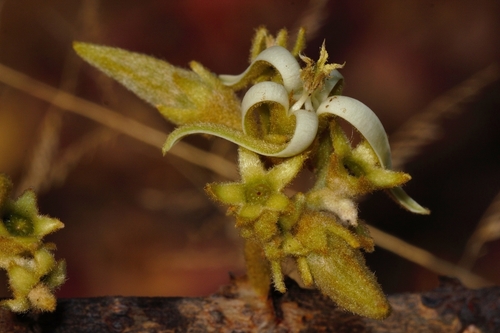
iNaturalist· cc-by-nc
(c) Stephane Philizot, some rights reserved (CC BY-NC), uploaded by Stephane Philizot
Summary
Source: WikipediaCoffea canephora (especially C. canephora var. robusta, syn. Coffea robusta, or commonly robusta coffee) is a species of coffee plant that has its origins in central and western sub-Saharan Africa. It is a species of flowering plant in the family Rubiaceae. Though widely known as Coffea robusta, the plant is scientifically identified as Coffea canephora, which has two main varieties, robusta and nganda. Coffea canephora represents between 40% and 45% of global coffee production, with Coffea arabica constituting most of the remainder. There are several differences between the composition of coffee beans from C. arabica and C. canephora. Beans from C. canephora tend to have lower acidity, more bitterness, and a more woody and less fruity flavor compared to C. arabica beans. Most of it is used for instant coffee.
Description
A larger tree than Arabica coffee. It is an evergreen shrub. It grows to 10 m tall and has thicker, larger leaves. It is shallow rooted with most feeding in the top 12 cm of soil. In heavy shade, trees have a more developed trunk. The leaves are 15-30 cm long by 5-15 cm wide, and rounded at the base, with wavy edges. The midrib is prominent underneath the leaf. There are 8-13 pairs of side veins. The leaf stalk is stout and 1-2 cm long. The flower clusters arise in the axils of leaves on sideways growing, fruiting branches. Normally only 3-4 buds develop in each leaf axils and 2-4 flowers develop on each flower stalk. The flowers are white and have a scent. The flowers have almost no stalk. The fruit are round and 0.8-1.5 cm long by 1.2 cm wide. The fruit are green, but turn red when ripe. They turn black and remain on the tree till harvest. 20-40 fruit can develop at each node. The seed are 7-9 mm long, and flattened on the surface which is pressed together.
Edible Uses
The seeds are a source of coffee. They have a higher content of caffeine than any other member of this genus. Considered to be lower quality than Coffea arabica, it is often used in cheap coffee blends and in the manufacture of instant coffee. The fully formed, but unripe, fruits are boiled whole with herbs, then dried in the sun and used as a masticatory.
Traditional Uses
The seeds are used for coffee. They are roasted. In some places the fruit are lightly boiled then chewed.
This uses section is brief — help expand it
Medicinal Uses
The seed contains caffeine, a widely used stimulant that is also used in proprietary painkillers to potentiate the effect of aspirin and paracetamol. It also contains the stimulants theobromine and theophylline, as well as chlorogenic acid, which is stimulant and diuretic as well as a known allergen.The seed is a bitter, aromatic, stimulant herb that has diuretic effects and controls vomiting. It is reported to be analgesic, an aphrodisiac, anorexic, antidotal, cardiotonic, CNS-stimulant, counterirritant, diuretic, hypnotic, galactagogue and nervine. Whilst not usually recognised as a medical herb, coffee is a highly effective general stimulant, having a particular effect upon the central nervous system, improving perception and physical performance. It has been found of help in some cases of headache or migraine. An enema made using coffee beans is an effective cleanser for the large bowel. Coffee is a folk remedy for asthma, atropine poisoning, fever, flu, headache, jaundice, malaria, migraine, narcosis, nephrosis, opium poisoning, sores and vertigo.
Distribution
A tropical plant. It grows more in the lowland tropics. It occurs naturally in rain-forests in Africa from 10°S & N of the equator and from sea level to 1,600 m altitude. In PNG it is mostly below 550 m above sea level. It grows in areas with rainfall from 1000 to 2,500 mm per year. Temperatures in the range 18°C to 32°C are suitable. It suits hardiness zones 10-12. In XTBG Yunnan.
Where It Grows
Africa*, Asia, Angola, Australia, Benin, Brazil, Cameroon, Central Africa, Central African Republic, CAR, Central America, China, Congo DR, Cook Islands, Costa Rica, Côte d'Ivoire, East Africa, East Timor, Ecuador, Fiji, Gabon, Guam, Guinea, Guinée, India, Indochina, Indonesia, Ivory Coast, Mozambique, Myanmar, New Caledonia, Nigeria, Pacific, Palau, Papua New Guinea, PNG, Philippines, SE Asia, Sierra Leone, Solomon Islands, Sudan, Tanzania, Thailand, Timor-Leste, Uganda, Vanuatu, Vietnam, West Africa*, West Timor,
Cultivation
Many plants are grown from seed. They can be grafted onto other rootstock. If clonal cuttings are used, two different clones need to be planted together to ensure good pollination. Plants are spaced at 3 m by 3 m. Light shade is normally helpful. Several of the upright stems are allowed to grow, because some side branches die off.
Propagation
Propagation is usually by seed. The viability of the seeds is comparatively short, depending upon conditions, and it is advisable to plant within 2 months of harvesting. The older the seeds, the longer they take to germinate and they lose viability. They can be planted with the parchment attached but germination is quicker when it is removed. Seedlings can be raised in shaded nurseries, planting them out into their permanent positions when 6 - 12 months old. Layering Air layering Budding. For rooting of coffee cuttings, the single leaf-bud cutting is commonly used.
Other Uses
Coffelite, a type of plastic, is made from coffee beans. Coffee, with iodine, is used as a deodorant. The seeds contain caffeine, which has been described as a natural herbicide, selectively inhibiting germination of seeds of Amaranthus spinosus. The pulp and parchment are used as manure and mulches.
Production
Plants are cross pollinated. It takes 9-10 months from flowering to harvest. One harvest is made, picking dried cherries off the tree. These are then dried and hulled.
Notes
There are about 40 Coffea species. In Botanical Gardens in Slovenia presumably in a hot house.
Synonyms
Also Known As
Cafe aromatico, Cafeto Robusto, Congo coffee, Kafi, Kapeng barako, Quillow coffee
References (31)
- Ambasta, S.P. (Ed.), 2000, The Useful Plants of India. CSIR India. p 135 (As Coffea robusta)
- Anderson, E. F., 1993, Plants and people of the Golden Triangle. Dioscorides Press. p 207
- Barwick, M., 2004, Tropical and Subtropical Trees. A Worldwide Encyclopedic Guide. Thames and Hudson p 125
- Bourret, D., 1981, Bonnes-Plantes de Nouvelle-Caledonie et des Loyaute. ORSTOM. p 23 (As Coffea robusta)
- Brouk, B., 1975, Plants Consumed by Man. Academic Press, London. p 345
Show all 31 references Hide references
- Burkill, H. M., 1985, The useful plants of west tropical Africa, Vol. 4. Kew.
- Burkill, I.H., 1966, A Dictionary of the Economic Products of the Malay Peninsula. Ministry of Agriculture and Cooperatives, Kuala Lumpur, Malaysia. Vol 1 (A-H) p 635
- Cobley, L.S. (rev. Steele, W.M.) 2nd Ed., 1976, An Introduction to the Botany of Tropical Crops. Longmans. p 207
- Dalziel, J. M., 1937, The Useful plants of west tropical Africa. Crown Agents for the Colonies London.(As Coffea maclaudii and Coffea robusta)
- Etherington, K., & Imwold, D., (Eds), 2001, Botanica's Trees & Shrubs. The illustrated A-Z of over 8500 trees and shrubs. Random House, Australia. p 220
- Facciola, S., 1998, Cornucopia 2: a Source Book of Edible Plants. Kampong Publications, p 212
- Ferwerda, F.P., 1979, Coffees, in Simmonds, N.W., (ed), Crop Plant Evolution. Longmans. London. p 257
- French, B.R., 2010, Food Plants of Solomon Islands. A Compendium. Food Plants International Inc. p 312
- Grivetti, L. E., 1980, Agricultural development: present and potential role of edible wild plants. Part 2: Sub-Saharan Africa, Report to the Department of State Agency for International Development. p 27 (As Coffea maclaudii)
- Hu, Shiu-ying, 2005, Food Plants of China. The Chinese University Press. p 679
- Kiple, K.F. & Ornelas, K.C., (eds), 2000, The Cambridge World History of Food. CUP p 1760
- Latham, P., 2004, Useful Plants of Bas-Congo province. Salvation Army & DFID p 86
- Llamas, K.A., 2003, Tropical Flowering Plants. Timber Press. p 325
- Notizbl. Koenigl. Bot. Gart. Berlin 1:230, 232. 1897
- Penafield Anchundia, D. D., 2017, Traditional food consumption and its nutritional contribution in Guasaganda, Central Ecuador. PhD Ghent University p 72
- Purseglove, J.W., 1968, Tropical Crops Dicotyledons, Longmans. p 482
- Small, E., 2009, Top 100 Food Plants. The world's most important culinary crops. NRC Research Press. p 207
- Sukarya, D. G., (Ed.) 2013, 3,500 Plant Species of the Botanic Gardens of Indonesia. LIPI p 616
- Sukenti, K., et al, 2016, Ethnobotanical study on local cuisine of the Sasak tribe in Lombok Island, Indonesia. Journal of Ethnic Foods. 3 (2016) 189-200 p 198
- Torre, de la, L., et al, 2008, Enciclopedia de las Plantas Útiles del Ecuador. Herbario QCA. Pontificia Universidad Católica del Ecuador. p 543
- Vivien, J., & Faure, J.J., 1996, Fruitiers Sauvages d'Afrique. Especes du Cameroun. CTA p 293
- von Katja Rembold, 2011, Conservation status of the vascular plants in East African rain forests. Dissertation Universitat Koblenz-Landau p 162
- Walter, A. & Lebot, V., 2007, Gardens of Oceania. ACIAR Monograph No. 122. CD-ROM minor species p 10
- Wiriadinata, H., 1995, Ethnobotany of Economic Plants in the Baliem Valley, Jayawijaya, Irian Jaya, Indonesian Institute of Science, Bogor, Indonesia (As Coffea robusta)
- World Checklist of Useful Plant Species 2020. Royal Botanic Gardens, Kew
- Zuchowski W., 2007, Tropical Plants of Costa Rica. A Zona Tropical Publication, Comstock Publishing. p 195