Timonius timon
(Spreng.) Merr.
Timon tree, Tim tim
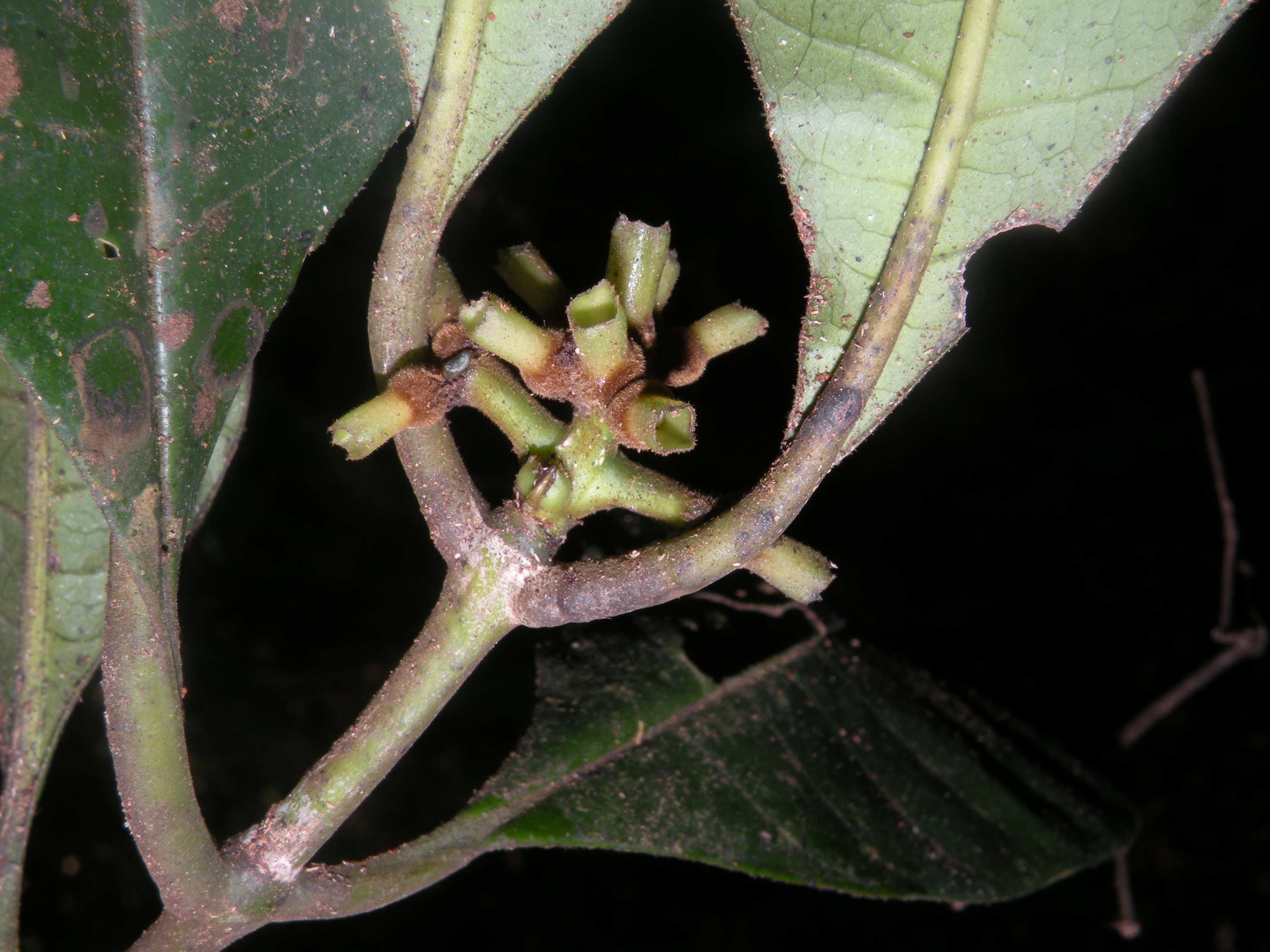
iNaturalist· cc-by-nc
(c) Rene, some rights reserved (CC BY-NC), uploaded by Rene
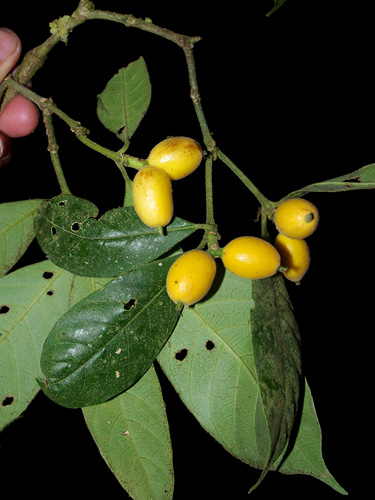
iNaturalist· cc-by-nc
(c) craigwelden, some rights reserved (CC BY-NC)
iNaturalist· cc-by-nc
(c) craigwelden, some rights reserved (CC BY-NC)
Description
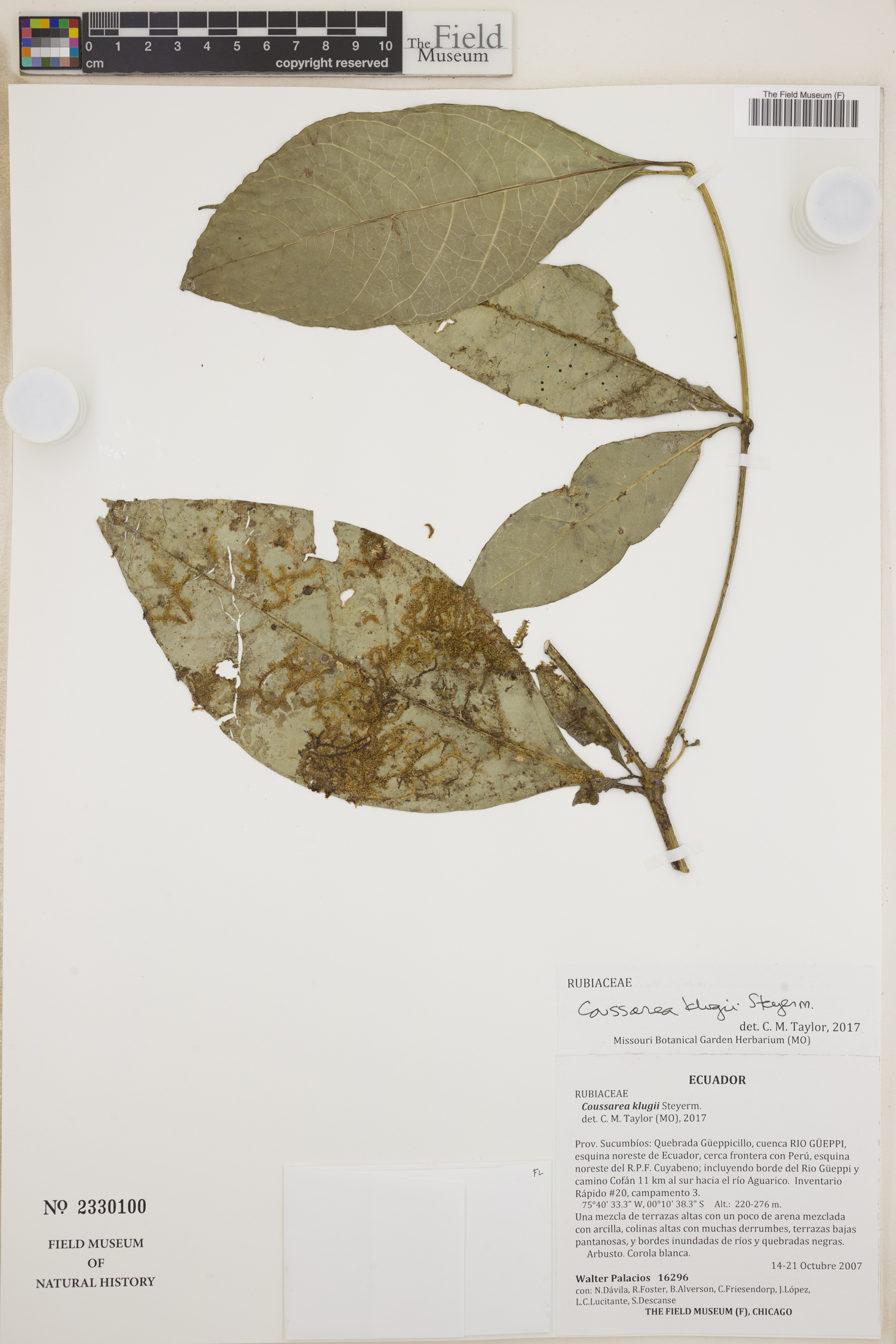
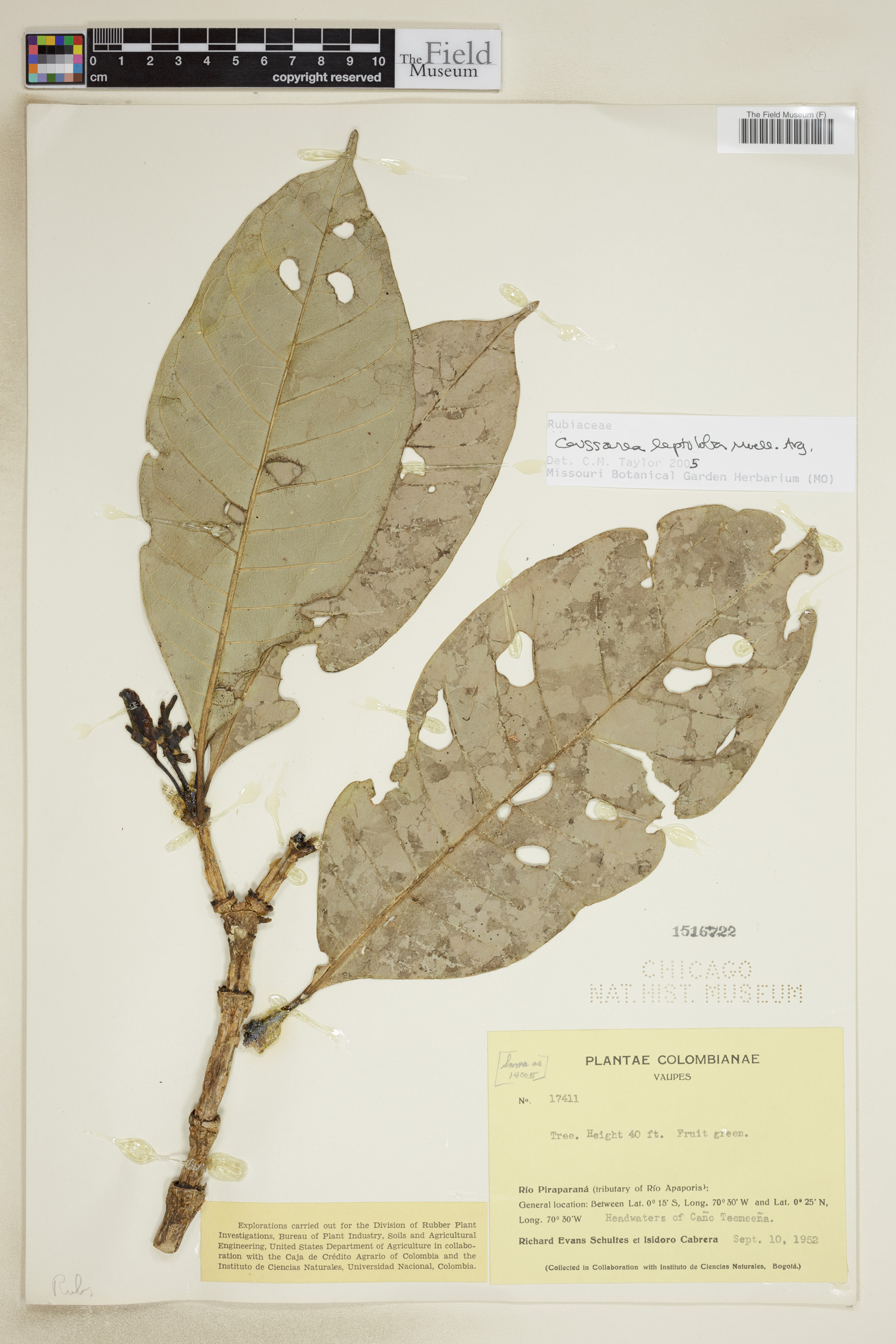
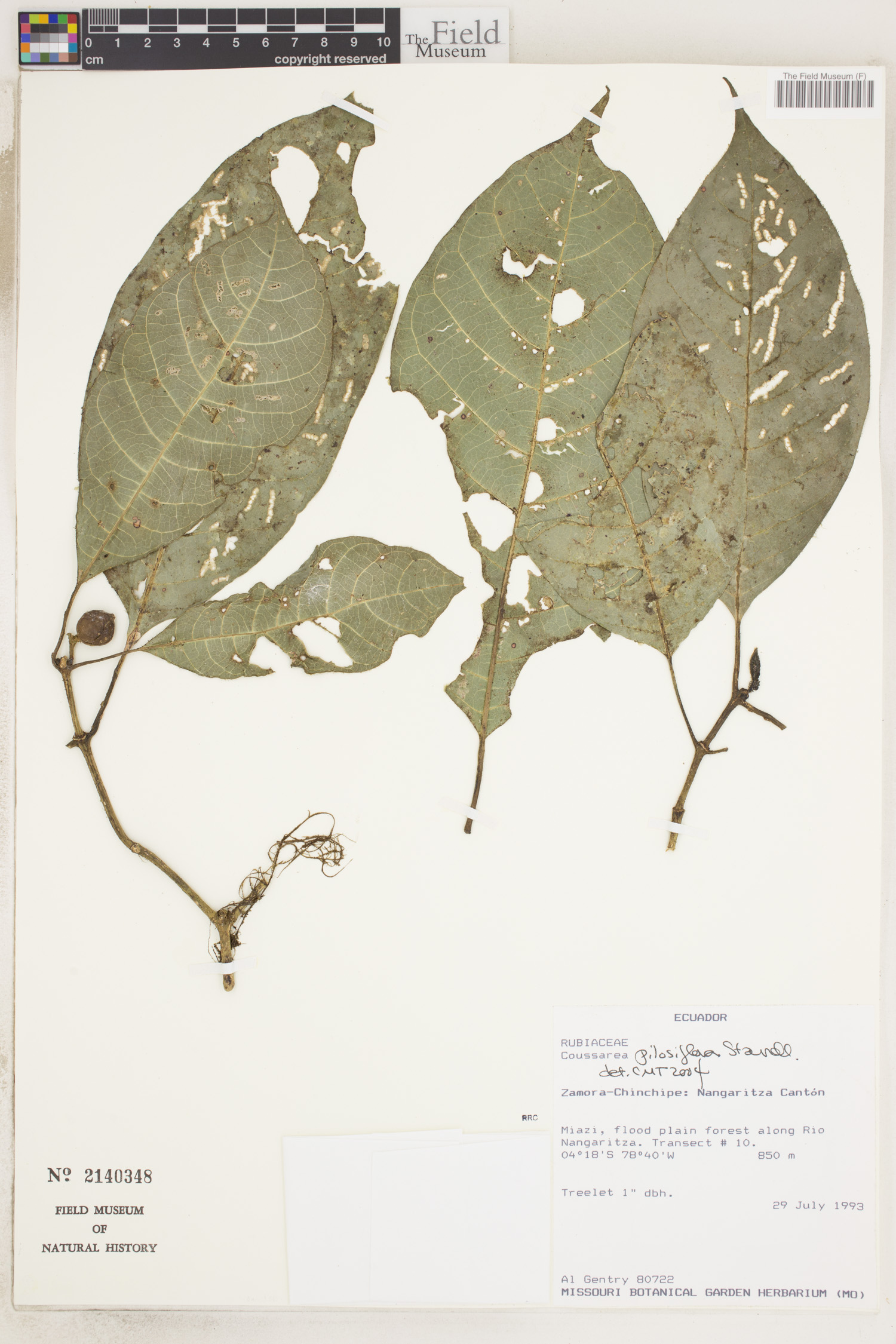
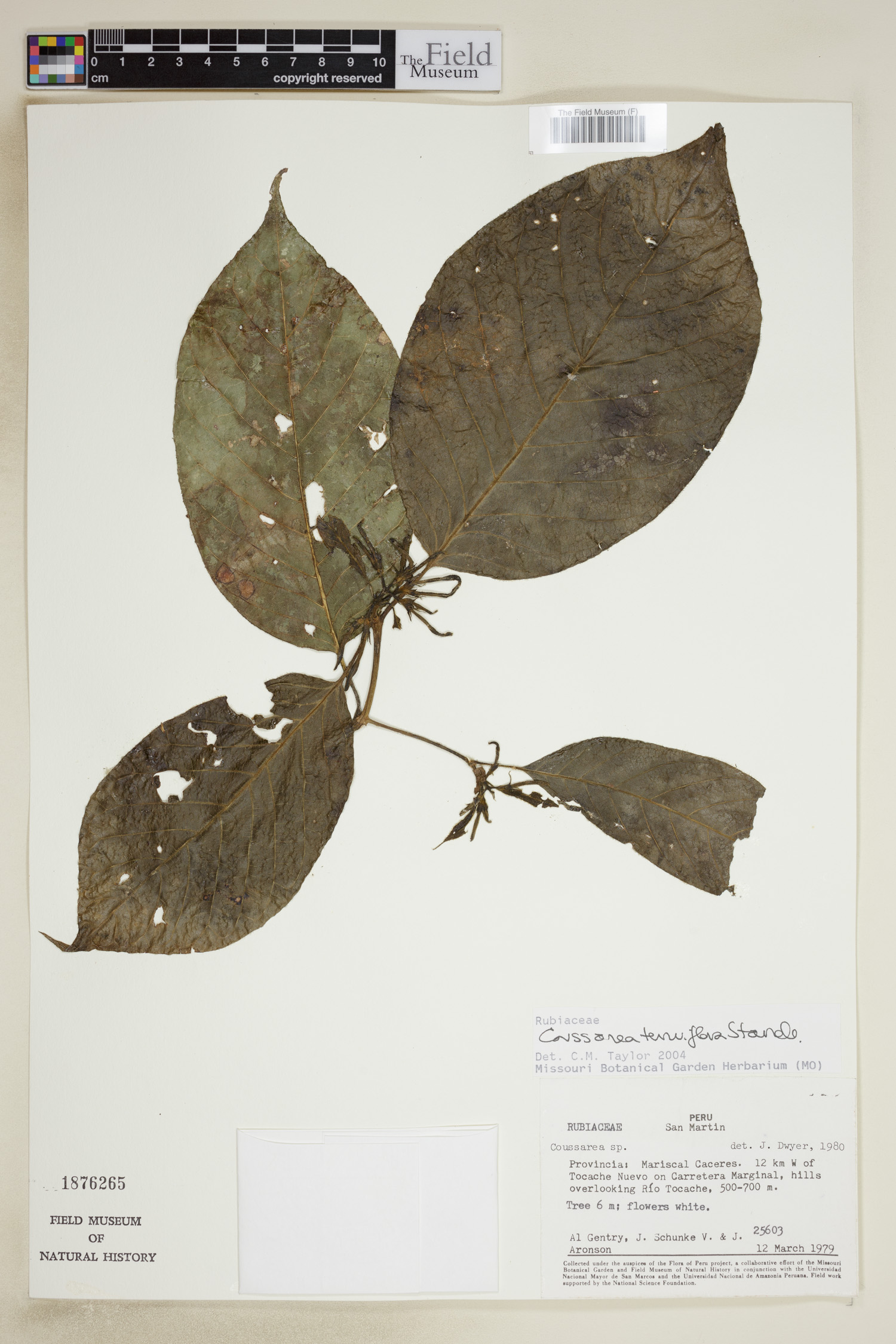
A shrub or small tree. It grows 2-15 m tall. The trunk can be 30 cm across. The leaves are opposite and 12.5 cm long by 5 cm wide. The flowers are white and tube shaped and have a scent. The fruit are round and 13 mm across. They are green to brown.
Edible Uses
Fruit. The shape and appearance of a crab or wild apple. The globose fruits are about 13mm in diameter.
Medicinal Uses
The plant was used medicinally by the Australian Aborigines. An infusion of the dried leaves is used as a contraceptive and in the treatment of fevers. Fresh leaves are eaten raw or are boiled until soft as a treatment for cough, malaria, shortness of breath, whooping cough and nausea. The juice from fresh leaves that have been heated and squeezed is drunk as a treatment for malaria - the patient also often bathes in the solution of boiled leaves. The leaves are applied topically in the treatment of snakebites. The leaf juice is applied topically to relieve aching muscles, arthritis and rheumatism. The juice extracted from the bark is drunk as a treatment for lung abscesses.
Distribution
It is a tropical plant.
Where It Grows
Australia, East Timor, Indonesia, Papua New Guinea, PNG, SE Asia, Solomon Islands, Timor-Leste,
Cultivation
The plant has proved to be invasive in various areas where it has been introduced. It is a ready invader of open, disturbed sites but, as time goes by, it seems to be overtopped and replaced by native species. The bark is often rather corky, giving the tree some protection from forest fires.
Other Uses
The light-coloured wood is close-grained, easily worked and takes a good polish. It is suitable for lining boards. A potential pioneer species - it is a ready invader of open, disturbed sites but, as time goes by, it seems to be overtopped and replaced by native species.
Synonyms
References (4)
- Atlas of Living Australia,
- Ferns, Useful tropical plants.
- Some Magnetic Island Plants
- World Checklist of Useful Plant Species 2020. Royal Botanic Gardens, Kew