Cnidoscolus stimulosus
(Michx.) Engelm. & A. Gray
Spurge nettle
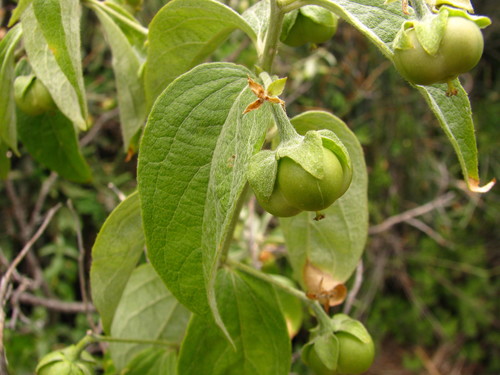
iNaturalist· cc-by-nc
(c) John M Zippay, some rights reserved (CC BY-NC), uploaded by John M Zippay
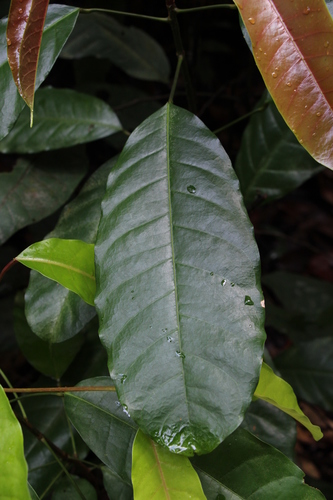
iNaturalist· cc-by-nc-sa
(c) Jerry Oldenettel, some rights reserved (CC BY-NC-SA)
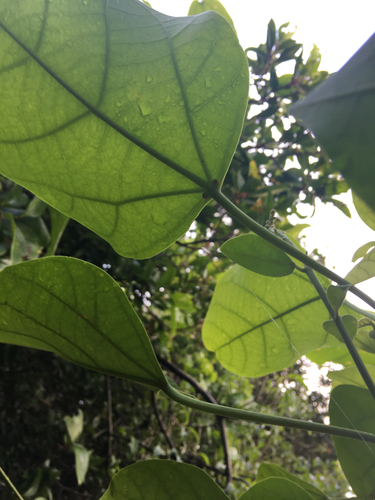
iNaturalist· cc-by-nc
(c) Riley Fortier, some rights reserved (CC BY-NC), uploaded by Riley Fortier
Summary
Source: WikipediaCnidoscolus stimulosus, the bull nettle, spurge nettle, stinging nettle, tread-softly or finger rot, is a perennial herb covered with stinging hairs, native to southeastern North America. A member of the family Euphorbiaceae (spurge family), it is not a true nettle. It prefers sandy, well-drained soil and mostly exists in pine/blackjack oak forests on sandhills, rims of Carolina bays, dunes, dry pastures, fields and roadsides.
Description
A tropical and subtropical shrub in the Euphorbiaceae family with long roots that have tuberous ends and notable stinging hairs covering the plant.
This description is brief — help expand it
Edible Uses
The tubers of the root are edible.
Known Hazards
The plant has bad stinging hairs that can cause irritation.
Distribution
A tropical and subtropical plant.
Where It Grows
Central America, Mexico, North America, USA,
Notes
There are 65 Cnidoscolus species in tropical America.
References (3)
- Boston J. Nat. Hist. 5:234. 1845
- Nabhan, G.P. & Felger, R.S., Wild desert relatives of crops: their direct uses as food in Wickens, G.E., Goodin, J.R., and Field, D.V.,(Eds.) 1985, Plants for Arid Lands. Unwin Hyman, London, p 26
- Tozer, F., 2007, The Uses of Wild Plants. Green Man Publishing. p 70