Clausena sanki
(Blanco) Merrill
gbif· cc-by
Royal Botanic Gardens, Kew
gbif· cc-by
Royal Botanic Gardens, Kew
gbif· cc-by
Royal Botanic Gardens, Kew
Description
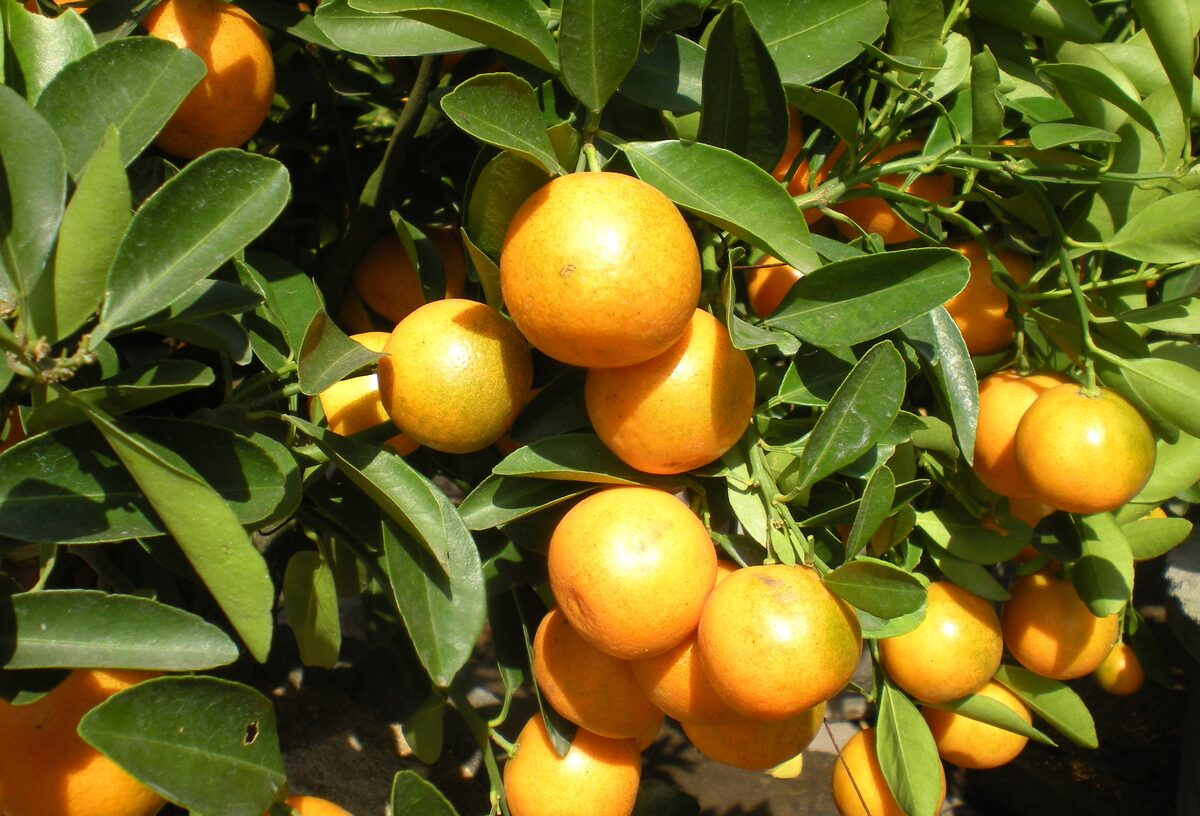
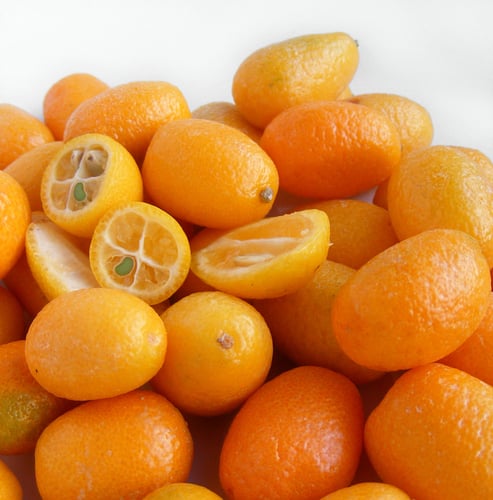
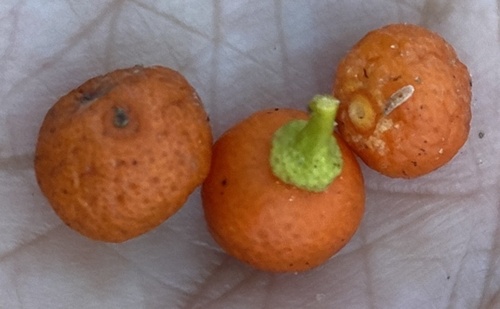
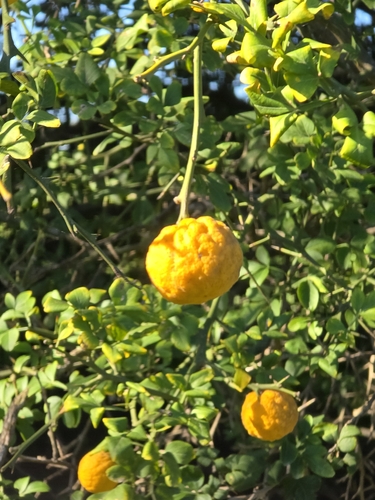
A small tree 3 to 6 m high. The leaves are alternate and 20 to 30 cm long. They are compound with 7 to 11 leaflets with sides of unequal lengths. They are pointed at the tip and 5 to 11 cm long. They have a toothed edge. The leaves have a smell when crushed. The flowers are greenish white, smell and are 8 mm across. They are borne in loose irregular flower arrangements 15 to 20 cm long. The fruit are round and pale yellow. They are 1-1.4 cm across. There are 1-4 seeds.
Edible Uses
The fruit are eaten fresh or made into jam. The leaves provide an anise-like odour and are used in the preparation of alcoholic drinks.
Traditional Uses
The leaves provide an anis-like odour used in the preparation of alcoholic drinks. Caution: Alcohol is a cause of cancer. The fruit are eaten fresh. The fruit are also used for jam.
Medicinal Uses
The leaf oil is used as a mosquito repellent.
Known Hazards
Alcohol is a cause of cancer.
Distribution
A tropical plant. They are widely distributed in some places in the Philippines. They occur from northern Luzon to Bataan and Mindanao in forests at low and medium altitudes. It grows in rainforests and up to 1,500 m above sea level. In Yunnan.
Where It Grows
Asia, China, Indochina, Indonesia, Pacific, Philippines, SE Asia, Taiwan, Vietnam,
Cultivation
Plants can be grown from seeds.
Notes
There are about 23-30 Clausena species.
Synonyms
Also Known As
Anis, Danglais, Kayumanis, Klausena anis
References (8)
- Fu, Yongneng, et al, 2003, Relocating Plants from Swidden Fallows to Gardens in Southwestern China. Economic Botany, 57(3): 389-402 (As Clausena emarginata)
- Hu, Shiu-ying, 2005, Food Plants of China. The Chinese University Press. p 500 (As Clausena anisum-olens)
- Martin, F. W., et al, 1987, Perennial Edible Fruits of the Tropics. USDA Handbook 642 p 73 (As Clausena anisum-olens)
- Monsalud, M.R., Tongacan, A.L., Lopez, F.R., & Lagrimas, M.Q., 1966, Edible Wild Plants in Philippine Forests. Philippine Journal of Science. p 539 (As Clausena anisum-olens)
- PROSEA handbook Volume 13 Spices. p 275 (As Clausena anisum-olens)
Show all 8 references Hide references
- Publ. Bur. Sci. Gov. Lab. 17:21. 1904 (As Clausena anisum-olens)
- Seidemann J., 2005, World Spice Plants. Economic Usage, Botany, Taxonomy. Springer. p 110 (As Clausena anisum-olens)
- Sukarya, D. G., (Ed.) 2013, 3,500 Plant Species of the Botanic Gardens of Indonesia. LIPI p 611 (As Clausena anisum-olens)