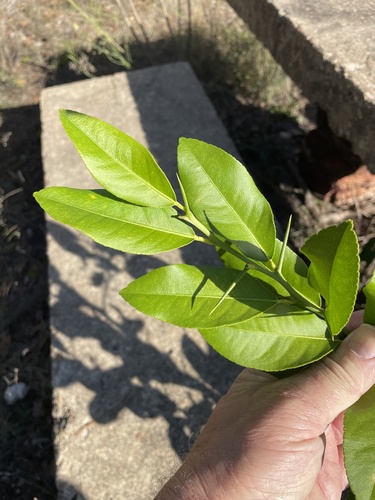
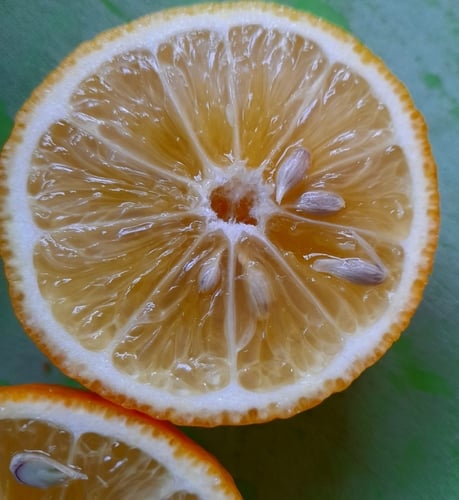
Citrus latipes
(Swingle) Tanaka
Khasi papeda
wikimedia· cc-by-sa
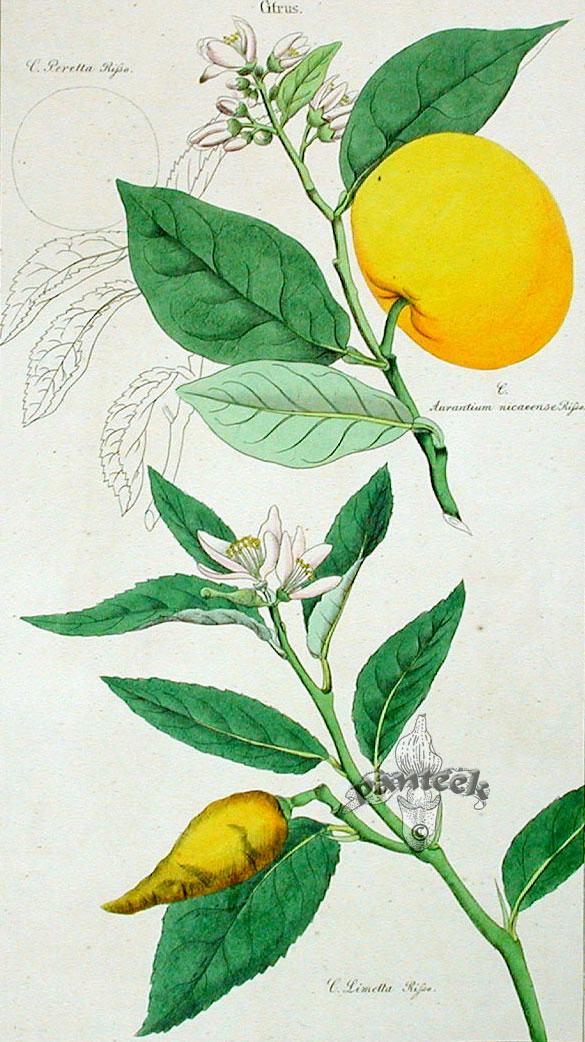
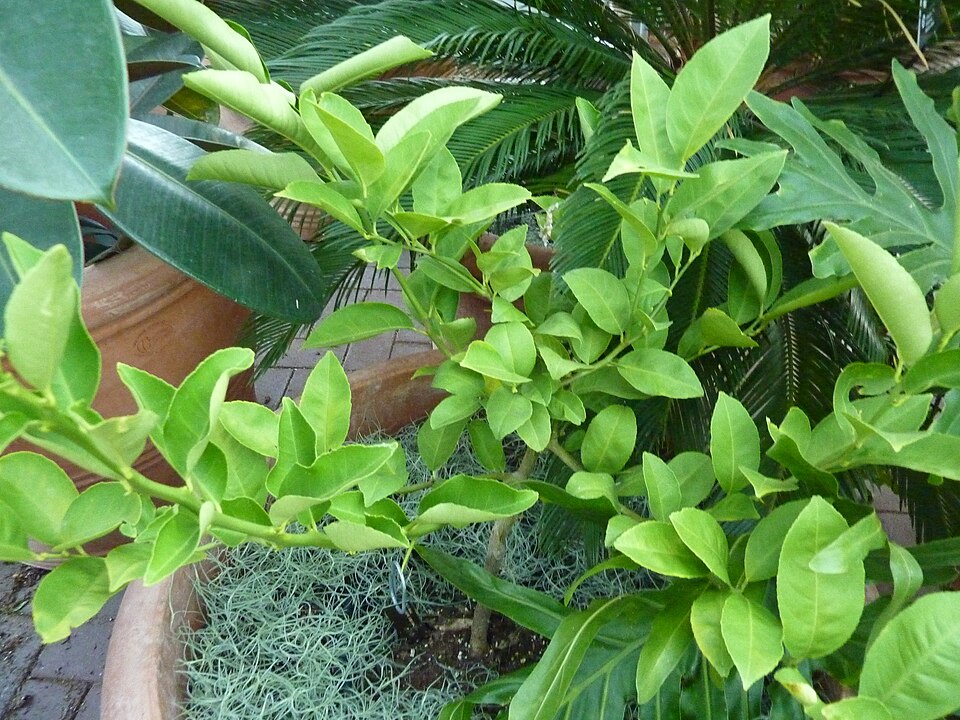
Wikimedia Commons - Royal Botanic Gardens, Kew
wikimedia· cc-by-sa
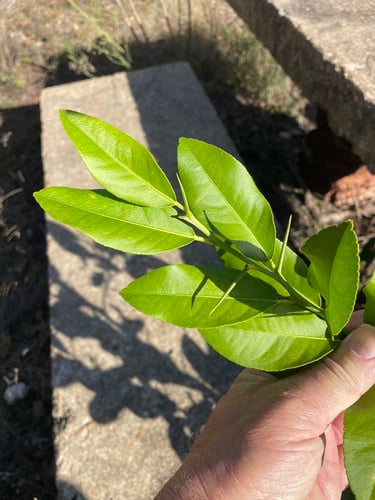
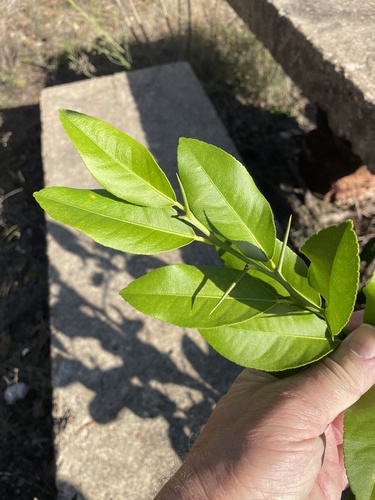
Wikimedia Commons - Nabil Killiny et al.
Summary
Source: WikipediaCitrus latipes, commonly called "Khasi papeda", is sometimes mistakenly identified as Kaffir lime (C. hystrix). Native to Northeast India, the khasi papeda is a small, thorny tree that closely resembles both kaffir limes and ichang papedas (C. cavaleriei). Though rarely eaten, and extremely rare in cultivation, the fruit is edible.
Description
A shrub. The fruit are large like a grapefruit. The flesh is white and seedy. It is very acid and spicy.
This description is brief — help expand it
Edible Uses
The fruit can be eaten fresh or processed, and young green fruit can be pickled. The dried skin of the fruit is used as a spice.
Traditional Uses
The fruit are eaten fresh or processed. The young green fruit can be pickled. The skin of the fruit is dried and used as a spice.
This uses section is brief — help expand it
Medicinal Uses
Fruits of C. latipes are used medicinally in Northeastern India "to treat stone problem".Locally, it is known as "Soh-Shyrkhoit" in the Khasi language (Soh = fruit, Shyrkhoit = monkey), meaning the fruit of a monkey.
Distribution
It is a temperate plant. It can tolerate cold.
Where It Grows
Asia, India, Northeastern India,
Other Information
It is cultivated.
Notes
There are 20 Citrus species. Several hybrids have been formed.
Also Known As
Hatkora, Hatkorathei, Soh-heh
References (10)
- Ambasta, S.P. (Ed.), 2000, The Useful Plants of India. CSIR India. p 128
- Facciola, S., 1998, Cornucopia 2: a Source Book of Edible Plants. Kampong Publications, p 217
- Gangte, H. E., et al, 2013, Wild Edible Plants used by the Zou Tribe in Manipur, India. International Journal of Scientific and Research Publications, Volume 3, Issue 5
- Guite, C., 2016, A study of wild edible plants associated with the Paite tribe of Manipur, India, International Journal of Current Research. Vol. 8, Issue, 11, pp. 40927-40932
- Jeeva, S., 2009, Horticultural potential of wild edible fruits used by the Khasi tribes of Meghalaya. Journal or Horticulture and Forestry Vol. 1(9) pp. 182-192
Show all 10 references Hide references
- Sawian, J. T., et al, 2007, Wild edible plants of Meghalaya, North-east India. Natural Product Radiance Vol. 6(5): p 414
- Stud. Citrol. 2:155. 1928
- Tanaka,
- Wiersema, J. H. & Leon, B., 2013, World Economic Plants. A Standard Reference CRC Press. 2nd Ed. p 180
- Zeven, A. C. & de West, J. M. J., 1982, Dictionary of cultivated plants and their regions of diversity. Wageningen. p 79