Garcinia terpnophylla
Thwaites
Indian gamboge
wikimedia· cc0
Wikimedia Commons - Hanshani prabodhika
iNaturalist· cc-by-nc
(c) Rujuta Vinod, some rights reserved (CC BY-NC), uploaded by Rujuta Vinod
wikimedia· cc0
CiXeL at English Wikipedia (via Wikimedia Commons)
Summary
Source: WikipediaGarcinia terpnophylla is a species of flowering plant in the Clusiaceae. It is found only in Sri Lanka where it is known as කොකටිය (kokatiya) and රන් කිරි ගොකටු (ran kiri gokatu) in Sinhala.
Description
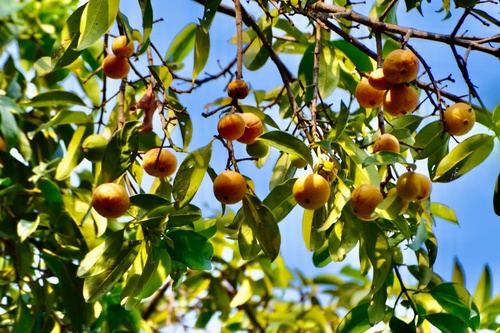
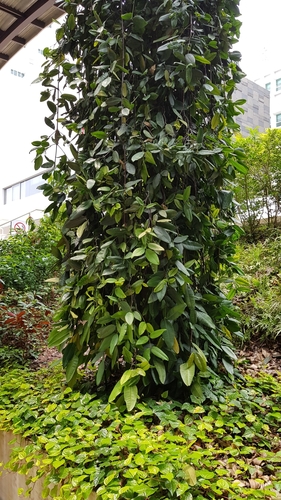
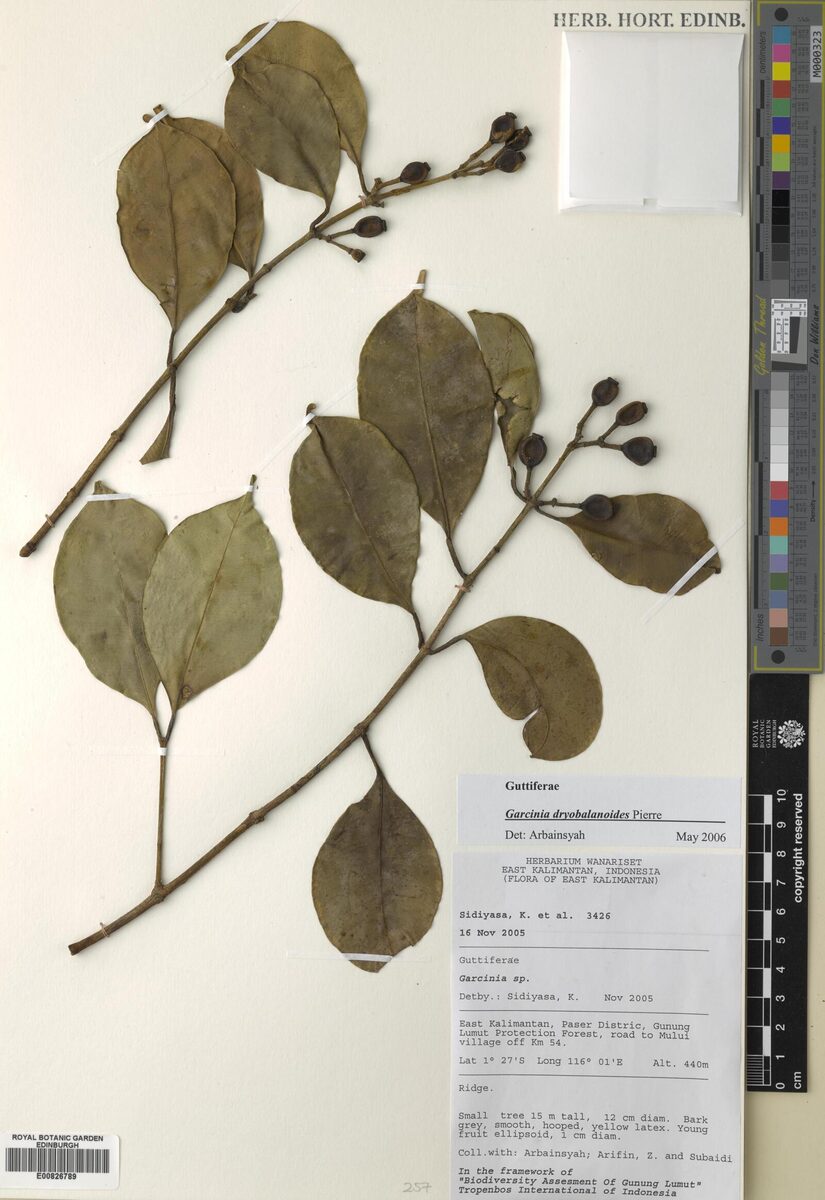
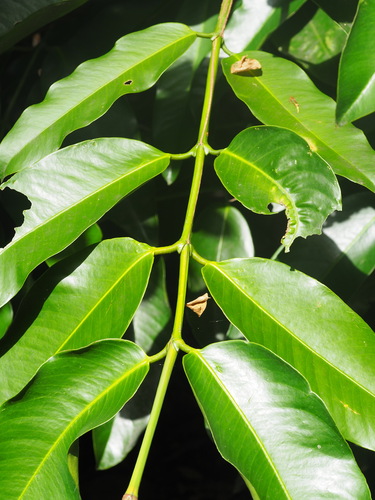
A tall tree. The branches are drooping. The bark is pale, smooth and thin. The leaves vary in shape and size. They are opposite. The leaves are oval and 8-20 cm long. They are dark green above and more pale underneath. The young leaves are pink. The flowers are in clusters and are pale yellow. They have a scent. Female flowers are larger than male flowers. The fruit are about 3 cm across. They are smooth and pointed.
Edible Uses
The fruit and seeds are edible; seed oil can be extracted.
Distribution
It is a tropical plant. It grows in Sri Lanka in wet forests between 300-1,200 m above sea level.
Where It Grows
Asia, India, Sri Lanka,
Propagation
Seed - we have no specific information on this species, but the seed of most members of the genus can be slow to germinate, even if sown fresh, often taking 6 months or more.
Other Uses
The yellow wood is smooth, very hard, close-grained and durable. A beautiful wood that deserves to be better known, it is a deep orange-brown colour, streaked with yellow. Easily worked, it is used for compression-resisting timber, beams, posts etc, and is well-suited to bridge building. It is unsuitable for joinery because it is apt to split.
Synonyms
Also Known As
Gokatu, Koketiya
References (1)
- Rajapaksha, U., 1998, Traditional Food Plants in Sri Lanka. HARTI, Sri Lanka. p 114