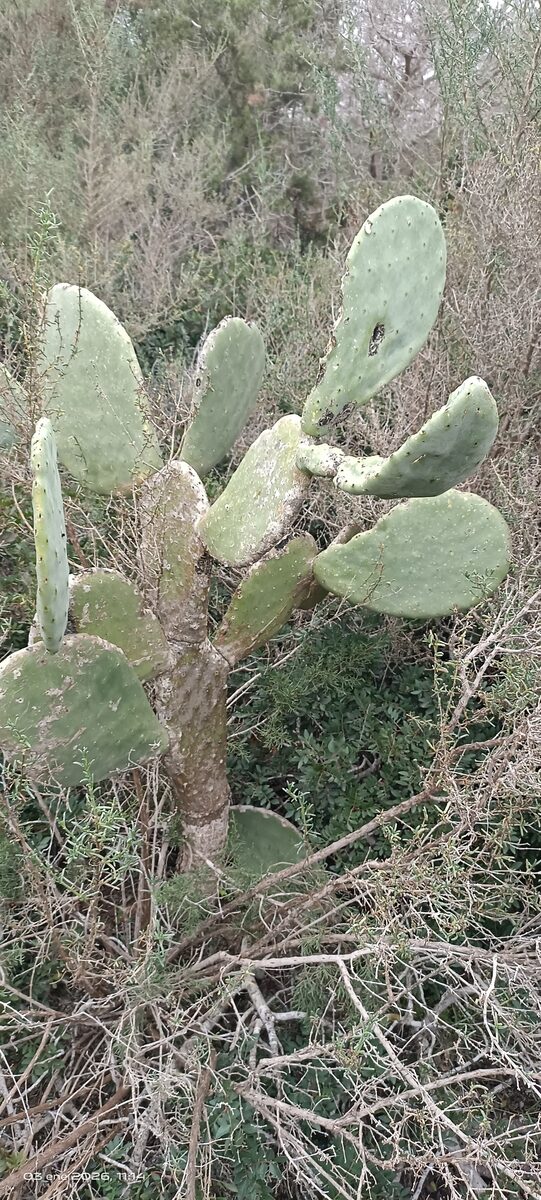
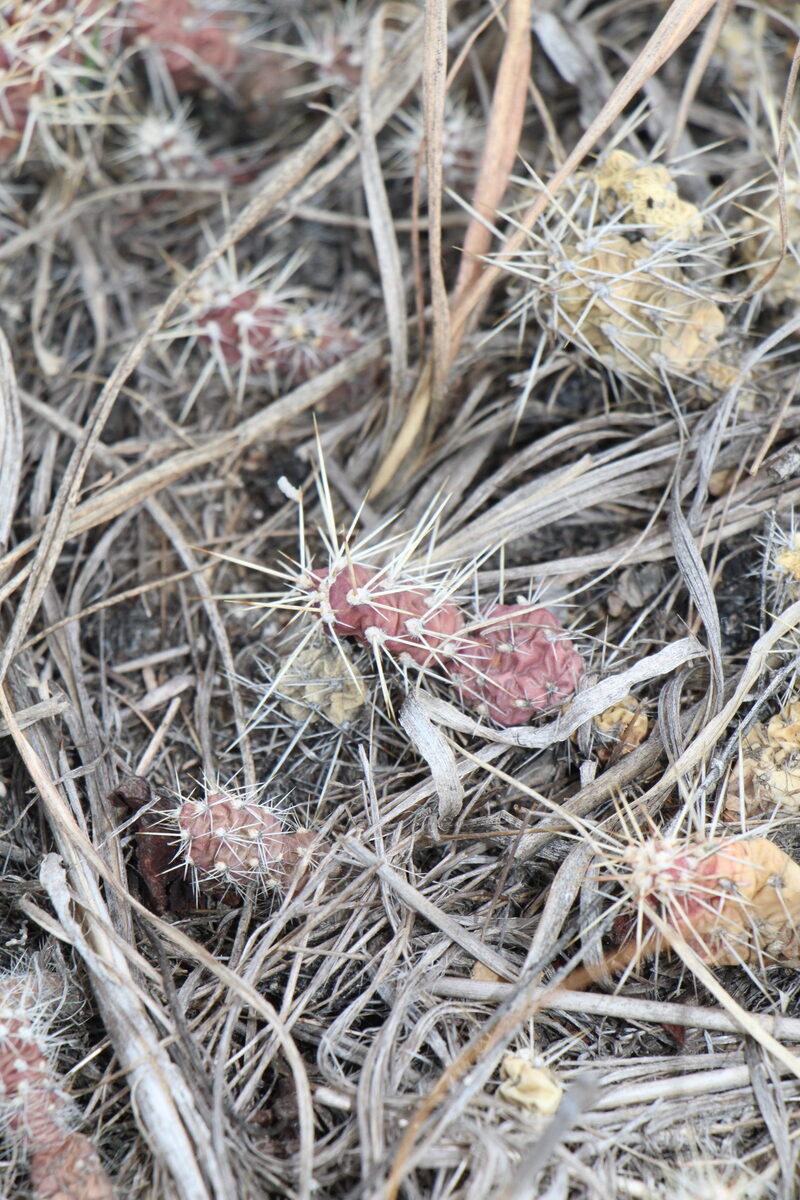
Pereskia sacharosa
Griseb.
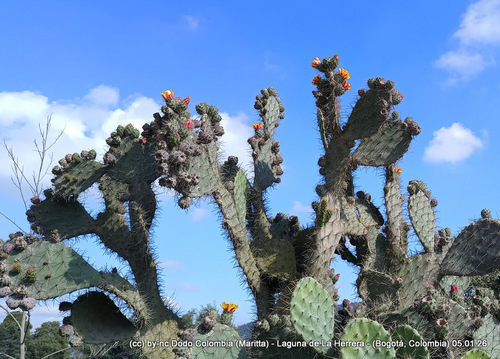
iNaturalist· cc-by-nc
(c) Chuangzao, some rights reserved (CC BY-NC), uploaded by Chuangzao
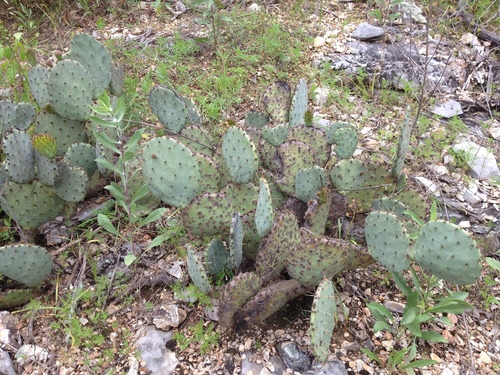
iNaturalist· cc-by-nc
(c) Martin Lowry, some rights reserved (CC BY-NC)
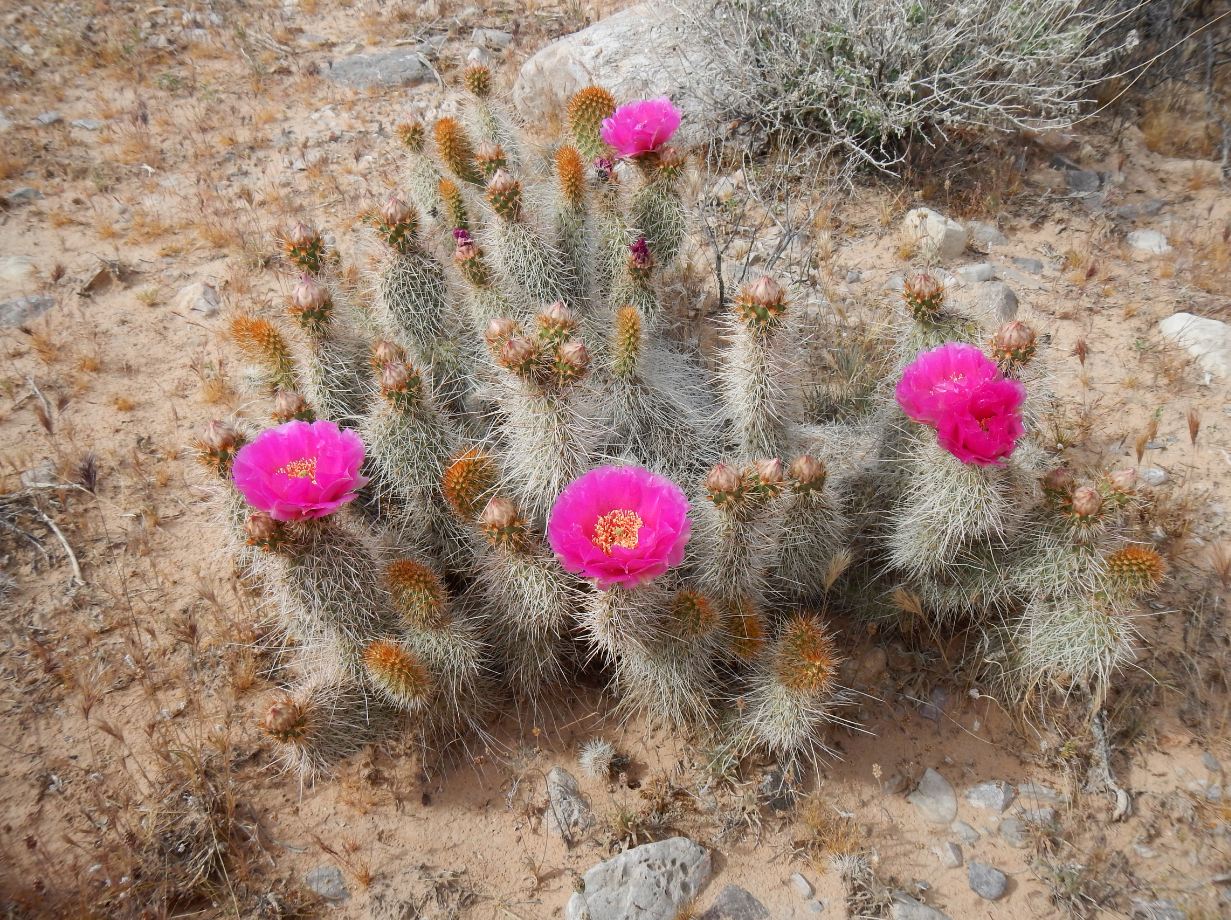
iNaturalist· cc-by-nc
(c) Martin Lowry, some rights reserved (CC BY-NC)
Summary
Pereskia sacharosa is a fast-growing evergreen perennial reaching 4 m (13 ft) tall and 3 m (9 ft) wide. It thrives in light, loamy, or clay soils with good drainage and tolerates mildly acidic to basic pH levels, even in very acidic conditions. The plant requires full sun and handles both drought and moist soil. Hardy to UK zone 10.
Description
Pereskia sacharosa is a fast-growing evergreen perennial reaching 4 m (13 ft) tall and 3 m (9 ft) wide. It thrives in light, loamy, or clay soils with good drainage and tolerates mildly acidic to basic pH levels, even in very acidic conditions. The plant requires full sun and handles both drought and moist soil. Hardy to UK zone 10.
Edible Uses
The leaves can be eaten raw as a side salad or brewed from fresh leaves into a tea.
Medicinal Uses
None known
Known Hazards
Spines or sharp edges.
Distribution
It is a subtropical plant. In Argentina it grows from sea level to 1,500 m above sea level.
Where It Grows
Argentina, Bolivia, Brazil, Paraguay, South America,
Cultivation
It is drought resistant but leaves drop in dry conditions. Prefers humus-enriched, loamy and well-drained soils. Soil pH requirements: 6.1 (mildly acidic) to 7.8 (mildly alkaline). It tolerates acidic soil. USDA Hardiness Zone 9-11. Recommended minimum winter temperature of 10°C. Plants kept perfectly dry can survive low temps of approximately -3°C. Carbon Farming Solutions - Cultivation: regional crop. Management: standard (Describes the non-destructive management systems that are used in cultivation).
Propagation
Propagate by seed or stem cuttings. Cuttings should be planted immediately without allowing them to dry out first.
Other Uses
This plant has several practical applications. It can be used as a living fence in agroforestry systems, where trees or shrubs are grown around or among crops or pastureland. It is also grown as an ornamental in flower beds and borders, as a container plant, and as a flowering hedge.
Synonyms
Also Known As
Poxkitak, Sacha rosa
References (2)
- Bortolotto, I. M., et al, 2018, Lista preliminar das plantas alimenticias nativas de Mato Grosso do Sul, Brasil. Iheringia, Serie Botanica, Porto Alegre, 73 (supl.):101-116
- Kermath, B. M., et al, 2014, Food Plants in the Americas: A survey of the domesticated, cultivated and wild plants used for Human food in North, Central and South America and the Caribbean. On line draft. p 631