Monstera adansonii
Schott
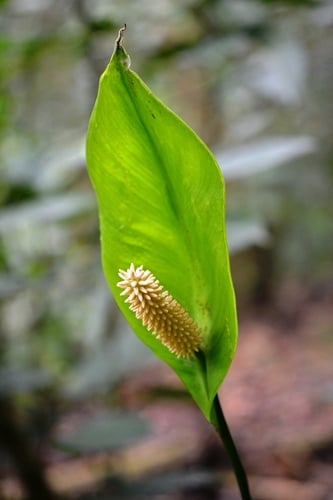
iNaturalist· cc-by-nc
(c) Pedro H. Martins, some rights reserved (CC BY-NC), uploaded by Pedro H. Martins
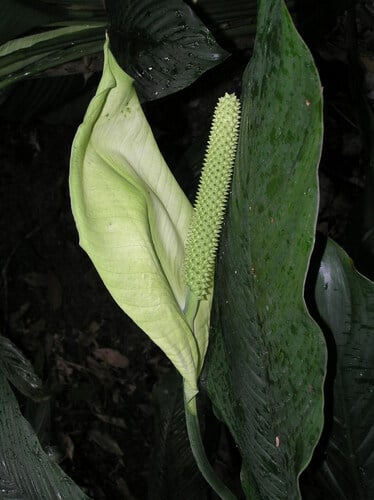
iNaturalist· cc-by-nc
(c) Pedro H. Martins, some rights reserved (CC BY-NC), uploaded by Pedro H. Martins
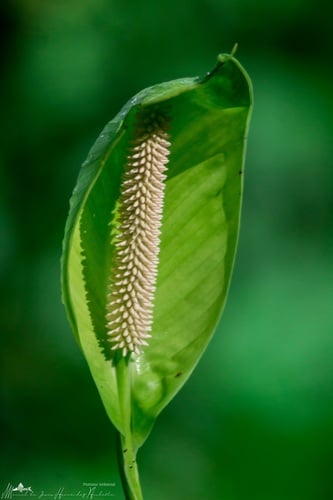
iNaturalist· cc-by-nc
(c) Julien Piolain, some rights reserved (CC BY-NC), uploaded by Julien Piolain
Summary
Source: WikipediaMonstera adansonii, the Adanson's monstera, Swiss cheese plant,, five holes plant or Monkey mask plant is a species of flowering plant from family Araceae, which is widespread across much of South America and Central America. Monstera adansonii is classified as a hemiepiphyte vine and can be found in tropical forests with hot and high humidity conditions. The common name "Swiss cheese plant" is also used for the also very often cultivated species Monstera deliciosa.
Description
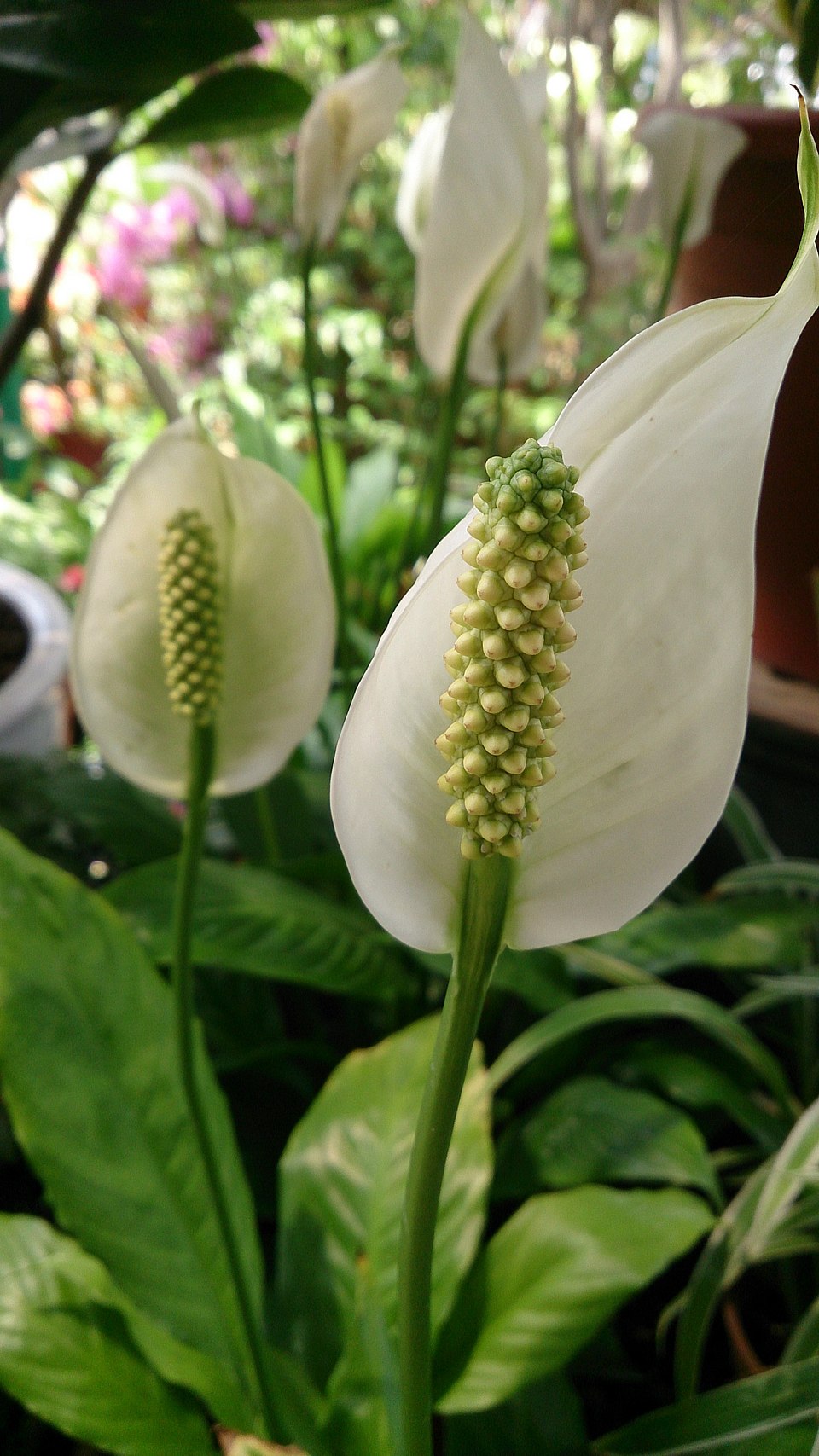
A vine. It climbs by aerial roots. It can grow 5-10 m long. The stems are flexible. They are green and 1-3 cm across. The leaves are alternate and of 2 types. They are entire and unequal on the sides and narrowly sword shaped. The leaves on the stem have holes. The leaves are 26-47 cm long by 13-23 cm wide. The upper surface is dull and the lower surface is pale green. The leaf stalks have wings. The flowering shoots occur singly in the axils of leaves and are erect. They have a spathe around them that is 20 cm long and opens on one side. It is green outside and cream inside.
Edible Uses
The fully ripe fruit are eaten.
Traditional Uses
The very ripe fruit are eaten. Caution: Unripe fruit contain calcium oxalate crystals that can burn the mouth.
This uses section is brief — help expand it
Medicinal Uses
The whole plant is used as a remedy for boils. A decoction of the crushed plant is applied topically. The stem is used as a remedy for scorpion and snake bites. The sap produces a burning sensation and is occasionally used to treat necrotic ulcers The leaves are used as a treatment for abcesses and pain
Known Hazards
The plant contains calcium oxalate crystals. This substance is toxic fresh and, if eaten, makes the mouth, tongue and throat feel as if hundreds of small needles are digging in to them. However, calcium oxalate is easily broken down either by thoroughly cooking the plant or by fully drying it and, in either of these states, it is safe to eat the plant. People with a tendency to rheumatism, arthritis, gout, kidney stones and hyperacidity should take especial caution if including this plant in their diet.
Distribution
It is a tropical plant.
Where It Grows
Puerto Rico, South America, West Indies,
Cultivation
A plant of the lowland tropics, moist through the growing season, drier in the cool season. Plants are surprisingly able to withstand light frosts with only slight damage to the leaves. Succeeds in the dappled shade of the woodland. The plant forms two types of aerial roots from the nodes and internodes of the stems - one type grows down to the ground where it roots and is a source of moisture and nutrients, the other type is an anchor root, growing around the stem of the host plant. A very variable species, at times it has been subdivided into several different species though it has now been shown that these can all intergrade into each other.
Synonyms
References (1)
- Kermath, B. M., et al, 2014, Food Plants in the Americas: A survey of the domesticated, cultivated and wild plants used for Human food in North, Central and South America and the Caribbean. On line draft. p 545