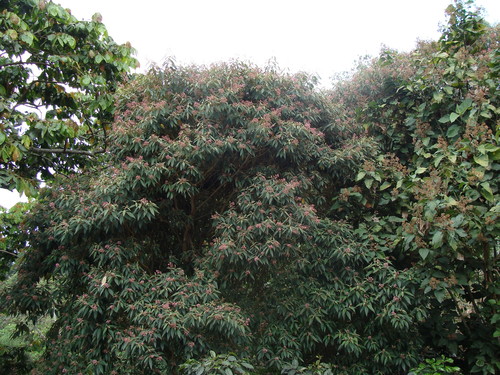
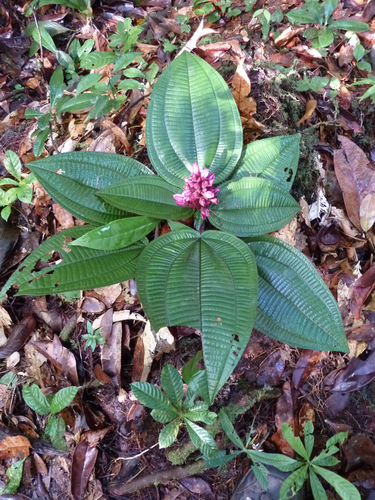
Miconia poeppigii
Triana
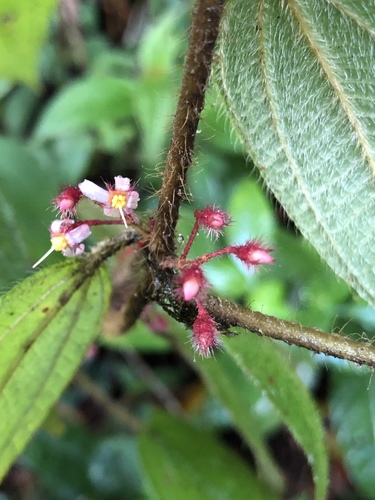
iNaturalist· cc-by-nc
(c) Guillaume Léotard, some rights reserved (CC BY-NC)
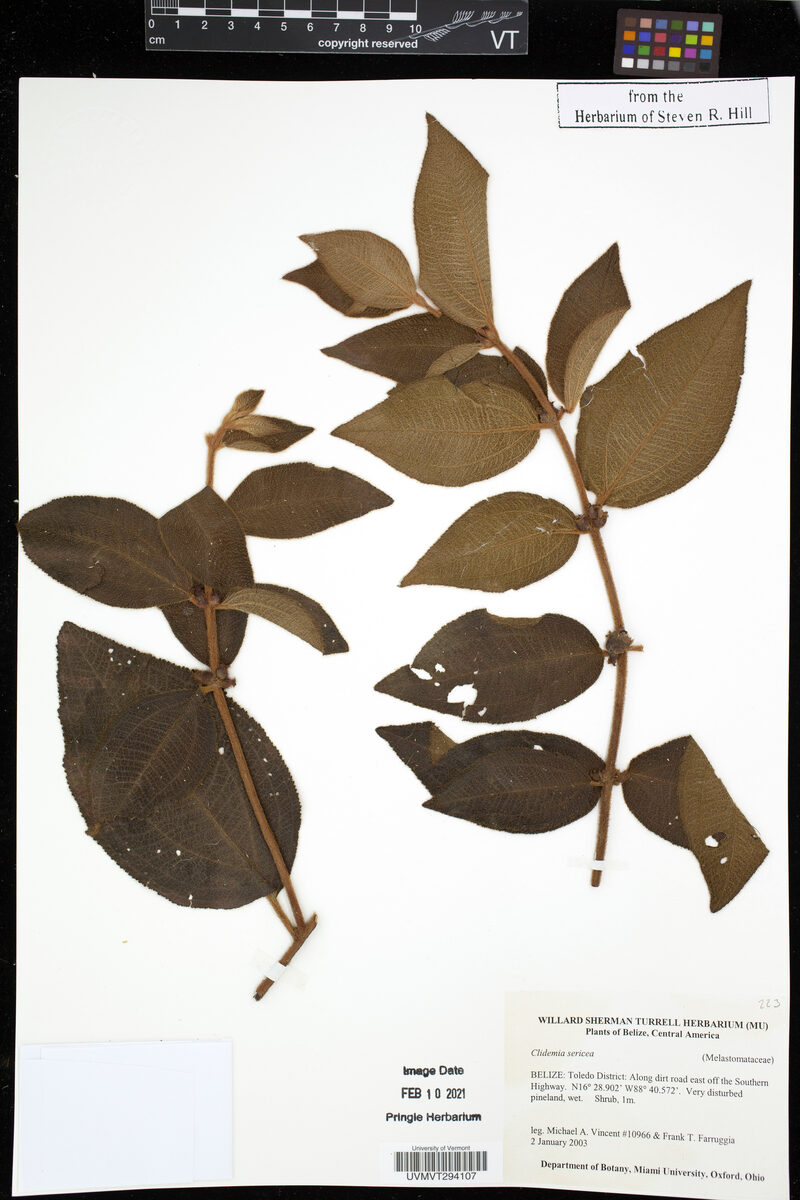
iNaturalist· cc-by-nc
(c) Guillaume Léotard, some rights reserved (CC BY-NC)
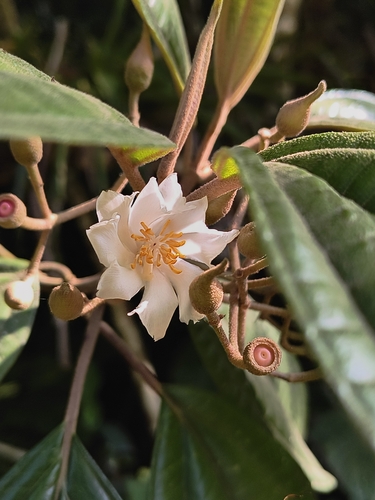
iNaturalist· cc-by-nc
(c) Guillaume Léotard, some rights reserved (CC BY-NC)
Description
A tropical shrub in the Melastomataceae family that produces edible fruit.
This description is brief — help expand it
Edible Uses
We have no specific information for this species, but the small, blue, purple or black fruits of many, if not all, species in this genus is edible. The globose fruit can be 6mm in diameter.
Distribution
It is a tropical plant.
Where It Grows
Amazon, Bolivia, South America,
Other Uses
There is only a small amount of heartwood, which is dark brown; the sapwood is yellowish or light brown, often with long, black streaks and grayish areas. The wood is medium textured; cross-grained; of light or medium weight; durable in contact with the soil but susceptible to the attacks of insects. It checks in drying. It is difficult to work; requires a sharp knife to cut smoothly across the grain; takes a fine polish; and is susceptible to stain. It is sometimes used for general construction and has been extensively used for railway sleepers. The wood is used extensively for fuel.
Synonyms
Also Known As
Catuaba
References (1)
- Kermath, B. M., et al, 2014, Food Plants in the Americas: A survey of the domesticated, cultivated and wild plants used for Human food in North, Central and South America and the Caribbean. On line draft. p 535