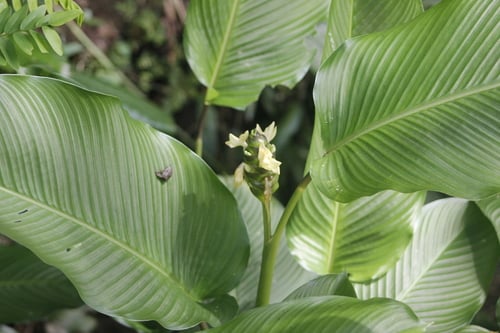
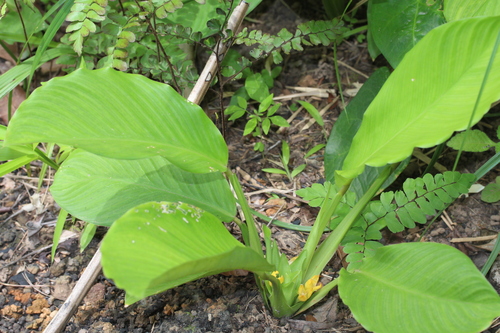
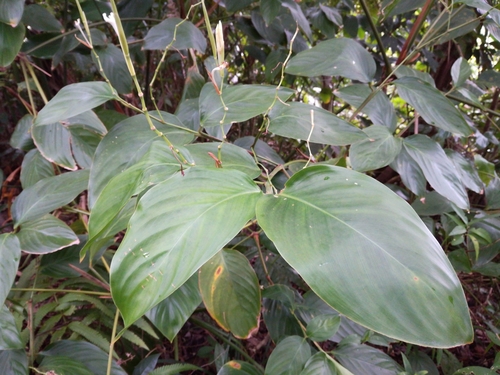
Ischnosiphon arouma
(Aubl.) Korn.
iNaturalist· cc-by-nc
(c) Olivier Fortune - Isabelle Delafosse, some rights reserved (CC BY-NC), uploaded by Olivier Fortune - Isabelle Delafosse
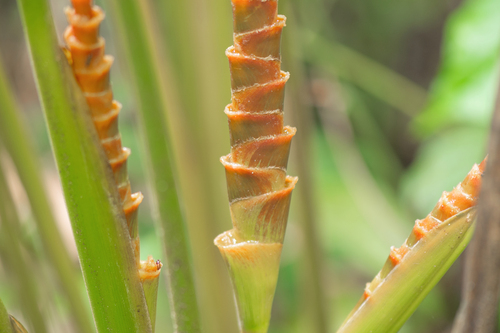
iNaturalist· cc-by-nc
(c) Thomas Diemer, some rights reserved (CC BY-NC)
Summary
Source: WikipediaIschnosiphon arouma is a species of plant in the Marantaceae family. This species is found in wet, tropical areas within the Lesser Antilles, as well as Central and South America. It is a perennial. Ischnosiphon arouma is used to make baskets.
Description
A tropical herb of the Marantaceae family.
This description is brief — help expand it
Edible Uses
The shoots are eaten.
Medicinal Uses
The juice of the leaves and stem is caustic and vesicant.
Distribution
It is a tropical plant.
Where It Grows
Amazon, Brazil, Central America, Ecuador, Guianas, Panama, South America,
Other Uses
The long stems are used in basketry and weaving. The hard epidermis of the stems is split into 8 - 12 lengths, which are woven into various types of baskets. The stems are spread out to dry in the sun for several days before being used. Without this process, during which they acquire an agreeable red russet colour, the stems would soon become brittle and unworkable. Some of them are subsequently steeped for a couple more days in 'mudholes' by the riverbank, where they take on a fine shiny black. The blackened stems are, however, less strong than those not so treated. Before use, each stem is split in four or six strands which are then drawn between a knife blade and the finger until the pith is removed and they have been made fine enough for the work in view. If white strands are wanted, as for the linings of Carib panniers, they may be obtained by scraping the outer surface of red strands, or merely by laying these inner side uppermost. An oil from the seed is used as a hair cosmetic.
Synonyms
Also Known As
Guaruma
References (1)
- Kermath, B. M., et al, 2014, Food Plants in the Americas: A survey of the domesticated, cultivated and wild plants used for Human food in North, Central and South America and the Caribbean. On line draft. p 452