Duranta erecta
L.
Golden dewdrop, Pigeon berry, Skyflower, Forget-me-not-tree
iNaturalist· cc-by-nc
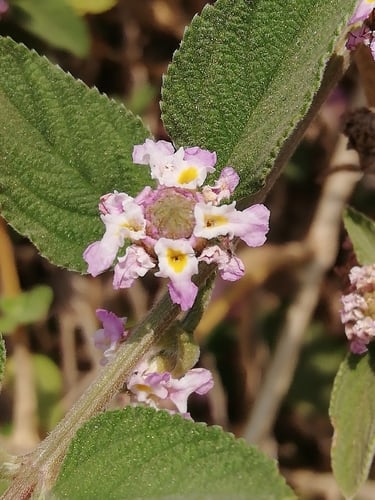
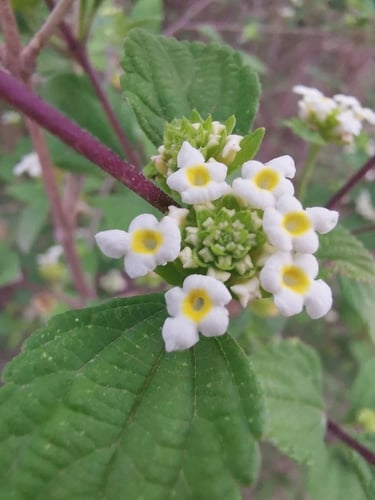
(c) M, some rights reserved (CC BY-NC), uploaded by M
iNaturalist· cc-by-nc
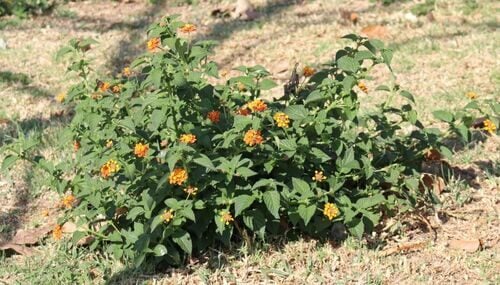
(c) Stargazer, some rights reserved (CC BY-NC), uploaded by Stargazer
iNaturalist· cc-by-nc
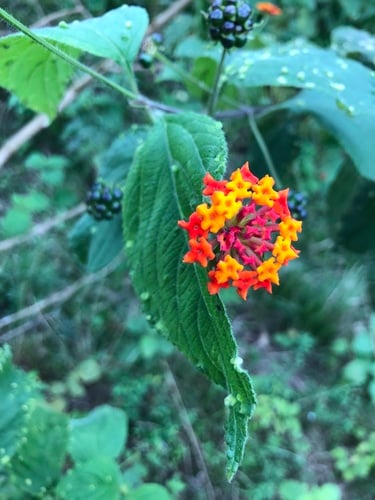
(c) karenmdu, some rights reserved (CC BY-NC)
Summary
Source: WikipediaDuranta erecta is a species of flowering shrub in the verbena family Verbenaceae, native from Mexico to South America and the Caribbean. It is widely cultivated as an ornamental plant in tropical and subtropical gardens throughout the world, and has become naturalized in many places. Common names include golden dewdrop, pigeon berry, and skyflower.
Description
A shrub or small tree. It is spreading or trailing. It can be evergreen or lose its leaves during the year. It grows 3-6 m tall. It can be spiny or not. The bark is dark brown. The leaves are 2.5-10 cm long by 1-5 cm wide. The flowers are white or purple. The fruit are 6-11 mm across. The fruit are produced in large numbers and are orange. They are poisonous.
Edible Uses
The flowers are eaten, particularly by children. The fruit requires processing before consumption.
Traditional Uses
Caution: The fruit, if eaten obviously need processing. The flowers are eaten.
This uses section is brief — help expand it
Medicinal Uses
The plant is used in the treatment of fevers, skin itches.
Known Hazards
Children who have eaten the fruits have been reported as becoming ill and subsequently dying. The plant is suspected of being poisonous to pigs.
Distribution
It is a tropical plant. In Argentina it grows below 500 m above sea level. It grows in termite mounds between 50-2,000 m above sea level in Africa.
Where It Grows
Africa, Argentina, Asia, Australia, Botswana, Central Africa, Central America, Congo DR, Cuba*, Dominican Republic, East Africa, Ethiopia, Haiti*, India, Jamaica, Lesser Antilles*, Malawi, Mexico, Mozambique, Myanmar, Nepal, North America, Northeastern India, SE Asia, Sierra Leone, Southern Africa, South America*, St Helena, Tuvalu, West Africa, West Indies*, Zimbabwe,
Cultivation
It can be grown by seed or cuttings.
Propagation
Seed - best sown as soon as it is ripe in a partially shaded position in a nursery seedbed. A germination rate of less than 20% can be expected, with the seed sprouting within 90 - 110 days.
Other Uses
The plant is used as an insect repellant. The plant is amenable to trimming and is often grown as a hedge. It is traditionally grown in living fences in the northwestern Himalayas, where it helps to exclude livestock and other animals; mark out land boundaries; whilst also providing a range of medicinal and other uses.
Other Information
The flowers are eaten by children.
Notes
In Slovenia it is possibly in a hot house.
Synonyms
Also Known As
Adonis, Bois jambette, Espino chivo, Muatish, Nilkada, Purui-grande
References (7)
- Asfaw, Z. and Tadesse, M., 2001, Prospects for Sustainable Use and Development of Wild Food Plants in Ethiopia. Economic Botany, Vol. 55, No. 1, pp. 47-62
- Kermath, B. M., et al, 2014, Food Plants in the Americas: A survey of the domesticated, cultivated and wild plants used for Human food in North, Central and South America and the Caribbean. On line draft. p 323
- Latham, P., 2004, Useful Plants of Bas-Congo province. Salvation Army & DFID p 117
- Nayaham, M. C., et al, 1993, Less Known Edible Fruit - Yielding plants of Nilgiris. Ancient Science of Lif. Vol. X11 Nos. 3 & 4, pp 363-376 (As Duranta repens)
- Plants of Haiti Smithsonian Institute http://botany.si.edu/antilles/West Indies
Show all 7 references Hide references
- Thaman, R. R, 2016, The flora of Tuvalu. Atoll Research Bulletin No. 611. Smithsonian Institute p 119
- Wild edible plants of Himachal Pradesh (As Duranta repens)