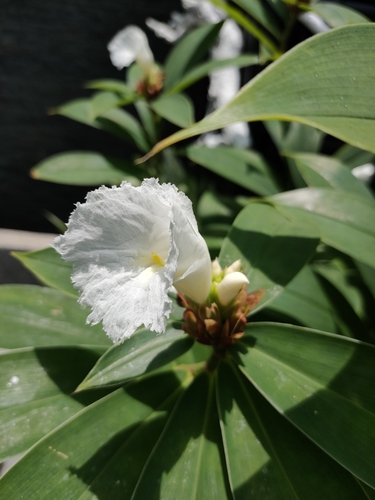
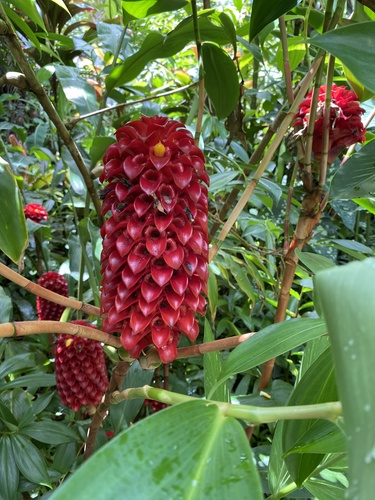
Costus pulverulentus
C. Presl.
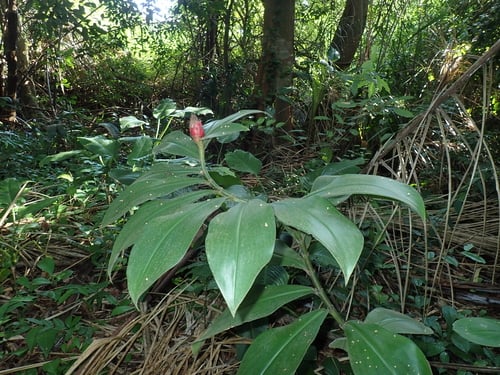
iNaturalist· cc-by-nc
(c) Kit Howard, some rights reserved (CC BY-NC), uploaded by Kit Howard
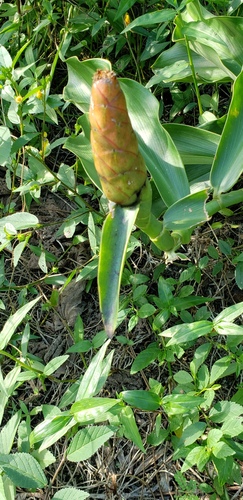
iNaturalist· cc-by-nc
(c) Peter Dunwiddie, some rights reserved (CC BY-NC)
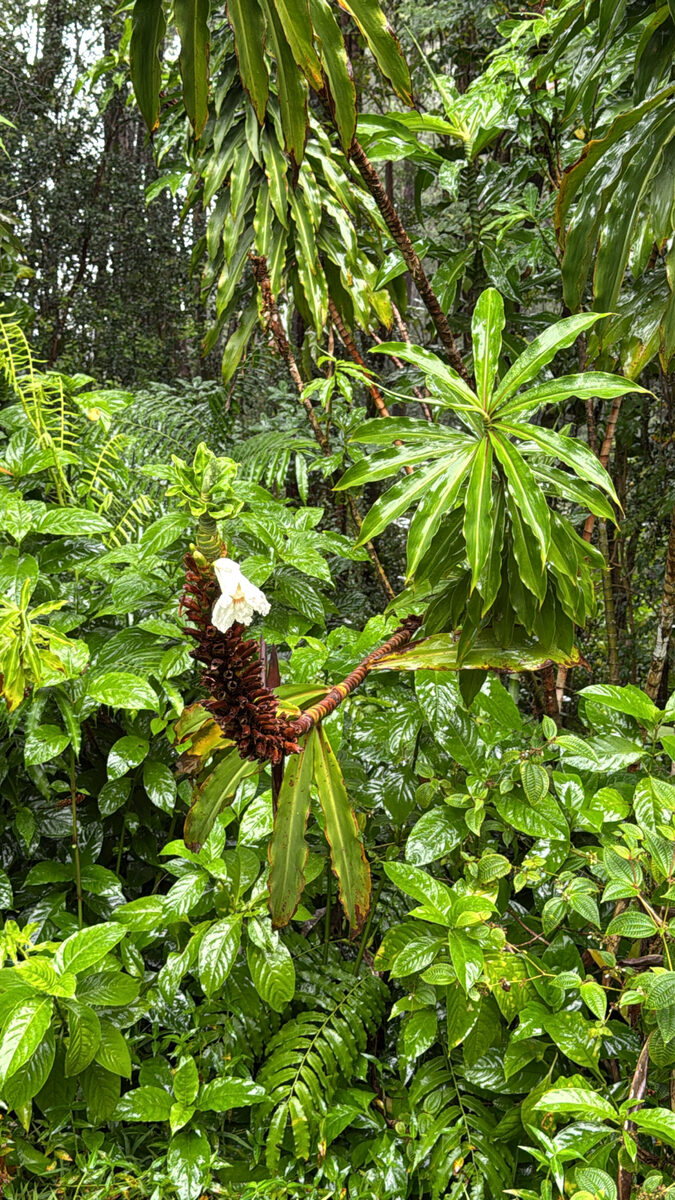
iNaturalist· cc-by-nc
(c) Peter Dunwiddie, some rights reserved (CC BY-NC)
Summary
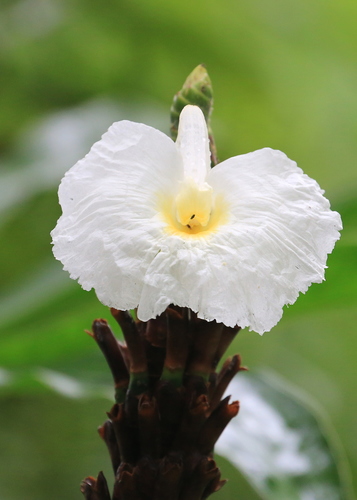
Source: WikipediaCostus pulverulentus, the red cigar or spiral ginger (a name it shares with other members of its family), is a species of flowering plant in the family Costaceae. It is native to Mexico, Central America, Colombia, Venezuela, and Ecuador, and it has been introduced to Cuba and Florida. It is invasive in Hawaii. A rhizomatous perennial reaching 4 to 6 ft (1.2 to 1.8 m), Costus pulverulentus is typically found in wet tropical areas. It is used as an ornamental, and there are cultivars, including 'Serena', 'Pink Lips', and 'Purple Passion'. Costus pulverulentus has a number of traditional medicinal applications. Ngäbe curanderos in Panama sell it to women suffering from pain after giving birth. In Ecuador, Costus pulverulentus is traditionally macerated and placed on snakebites by members of the Tsáchila people. In Tlanchinol, Hidalgo, Mexico, a Costus pulverulentus infusion is made for people afflicted with kidney problems and fever.
Description
A tropical herb in the Costaceae family found in cultivation in Cairns.
This description is brief — help expand it
Edible Uses
The stems are valued for their sap and moisture, traditionally chewed for hydration.
Traditional Uses
The stems are chewed for their moisture.
This uses section is brief — help expand it
Distribution
It is a tropical plant. In Cairns BG.
Where It Grows
Australia, Mexico, West Indies,
Synonyms
Also Known As
Pakab olom
References (1)
- Kermath, B. M., et al, 2014, Food Plants in the Americas: A survey of the domesticated, cultivated and wild plants used for Human food in North, Central and South America and the Caribbean. On line draft. p 268