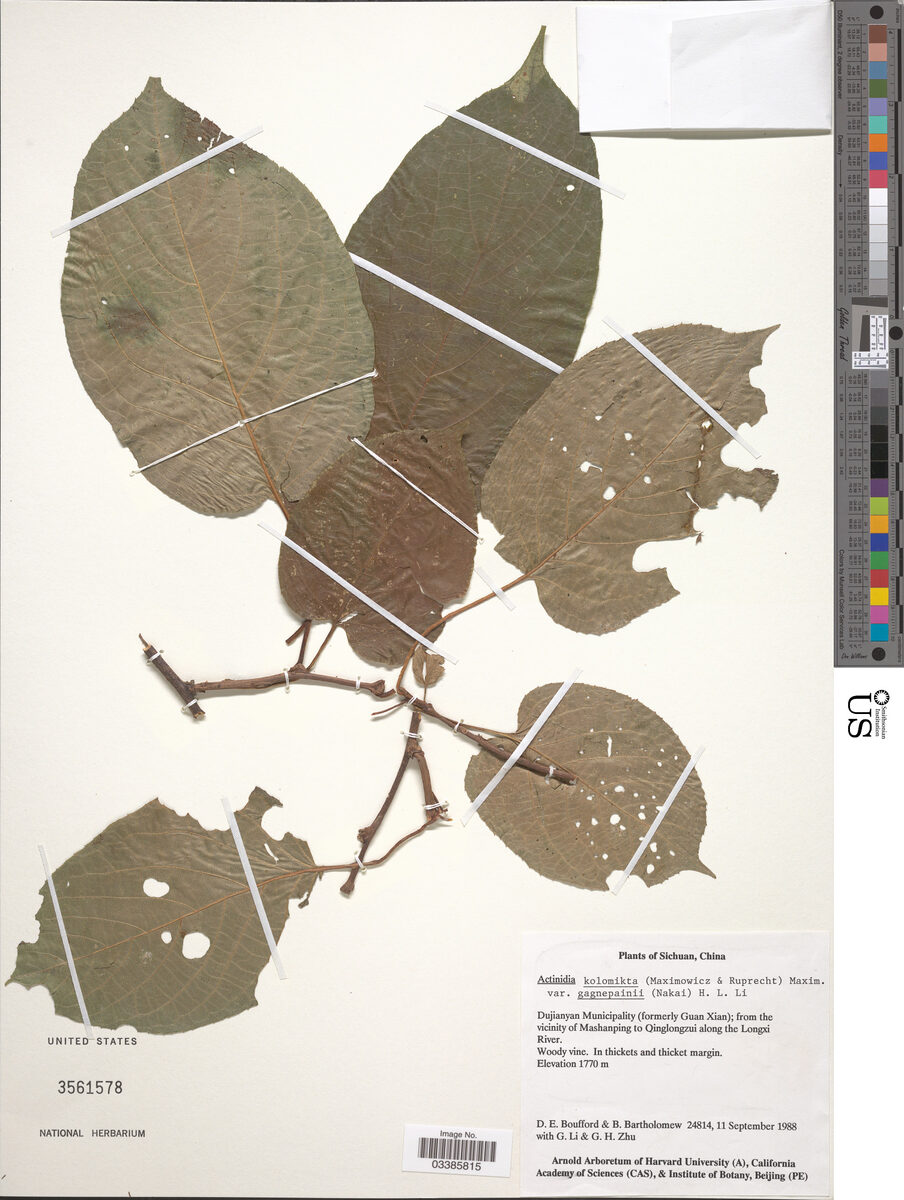
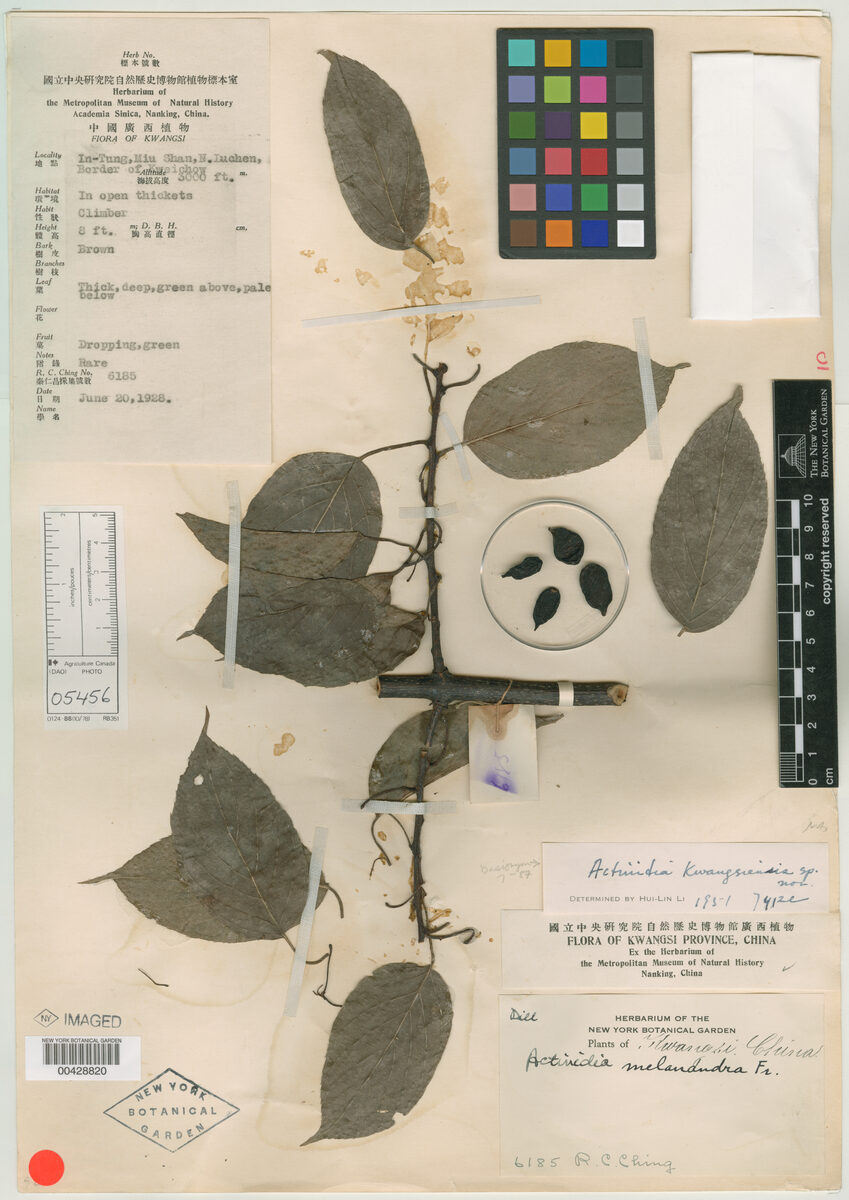
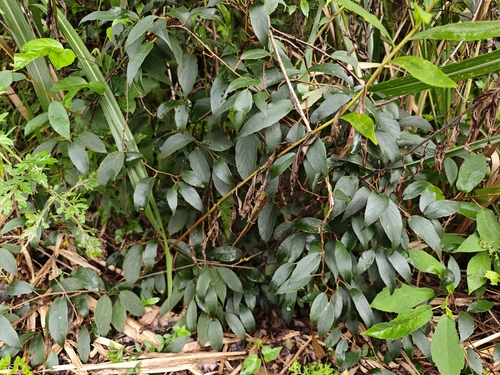
Actinidia arguta var. purpurea
(Rehder) C. F. Liang
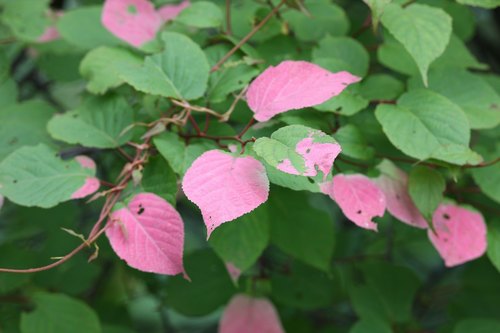
Purpurea, Purple kiwi
iNaturalist· cc-by-sa
(c) Qwert1234, some rights reserved (CC BY-SA)
iNaturalist· cc-by-nc
(c) Chuangzao, some rights reserved (CC BY-NC), uploaded by Chuangzao
iNaturalist· cc-by-nc
(c) onidiras-iNaturalist, some rights reserved (CC BY-NC), uploaded by onidiras-iNaturalist
Summary
Source: WikipediaActinidia arguta is a perennial vine native to Japan, Korea, Northern China, and the Russian Far East. The fruit is known as kiwiberry or hardy kiwi, which are small kiwifruits without the hair-like fiber covering the outside, unlike most other species of the genus.
Description
A climber. It loses its leaves during the year. The leaves are alternate and simple. The flowers are cup-shaped.
This description is brief — help expand it
Edible Uses
Kiwiberries are primarily produced for the fresh fruit market, sold in small punnets as a ready-to-eat fruit. Kiwiberries are also processed into jams, preserved fruit and juices. In China, kiwiberry food additives such as nutritional powders and fruit vinegars are commercially available, and kiwiberry wines are produced in the United States. In Korea, kiwiberries are known as darae (다래). Young leaves, called darae-sun, are often consumed as namul vegetable. The vines can be tapped in early spring to gather sap, which migratory farmers in Gangwon province are said to have used as a food source during famines.
Distribution
It is a temperate plant. It is native to West China. It tolerates temperatures down to - 12°C.
Where It Grows
Asia, China,
Notes
There are 40-60 Actinidia species. The Actinidiaceae are a mainly tropical family.
References (1)
- Fl. reipubl. popularis sin. 49(2):208. 1984