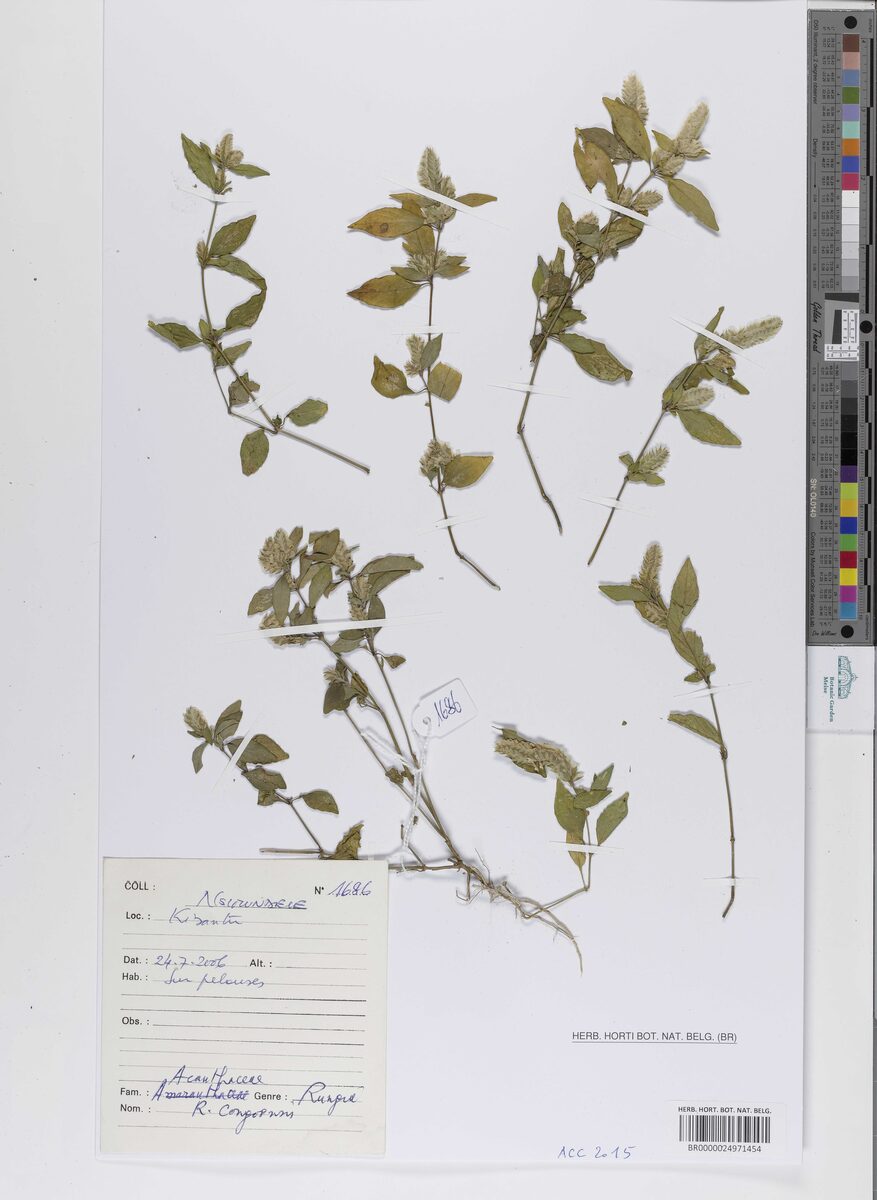
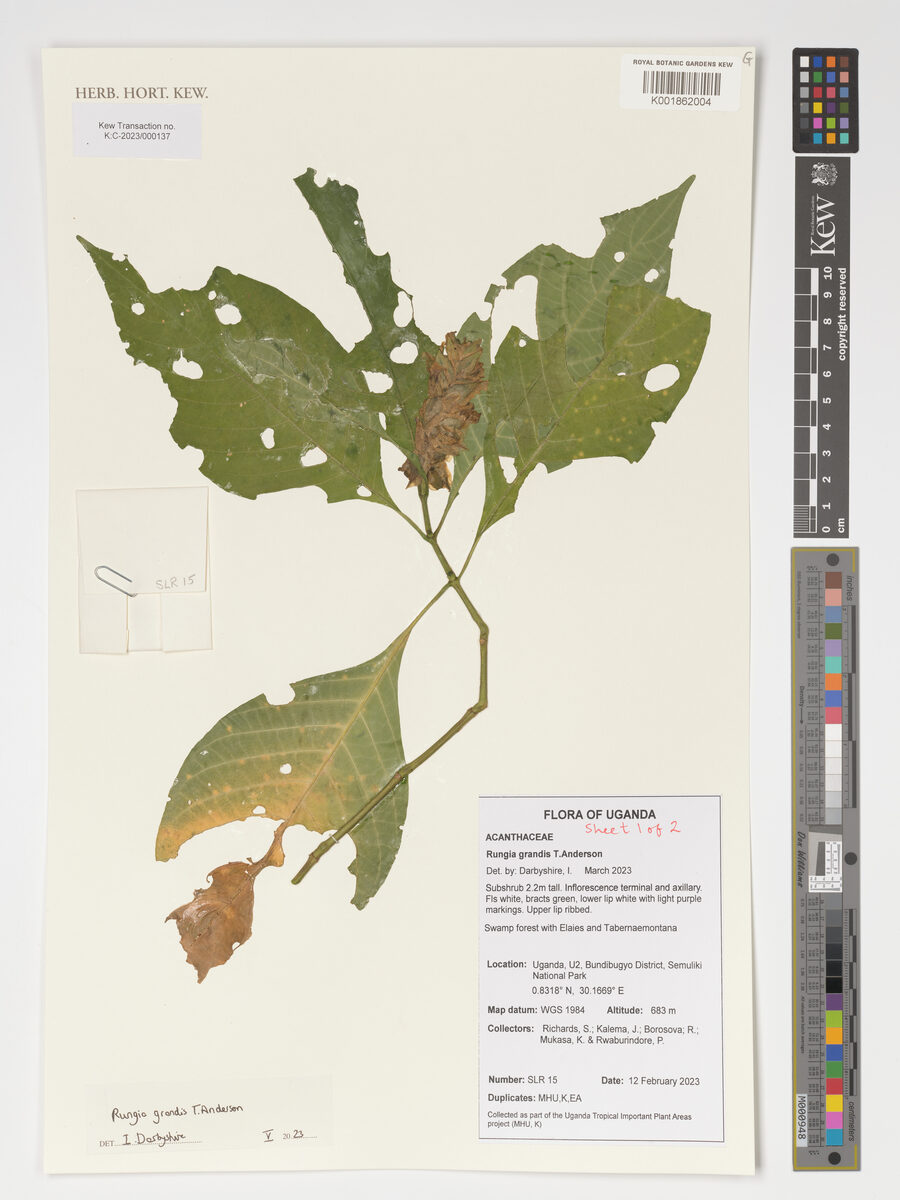
Barleria cristata
L.
Crested philippine violet
iNaturalist· cc-by-nc
(c) Ryan Yue Wah Chan, some rights reserved (CC BY-NC), uploaded by Ryan Yue Wah Chan
Summary
Source: WikipediaBarleria cristata, the Philippine violet, bluebell barleria or crested Philippine violet, is a plant species in the family Acanthaceae.
Description
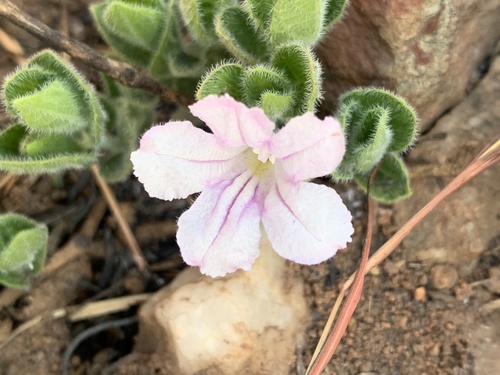
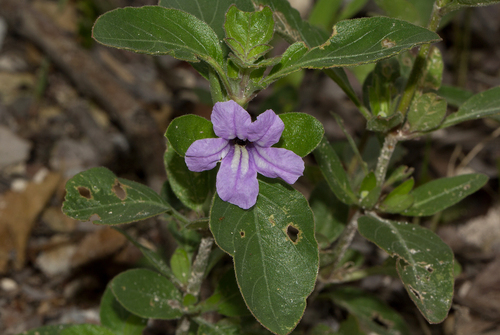
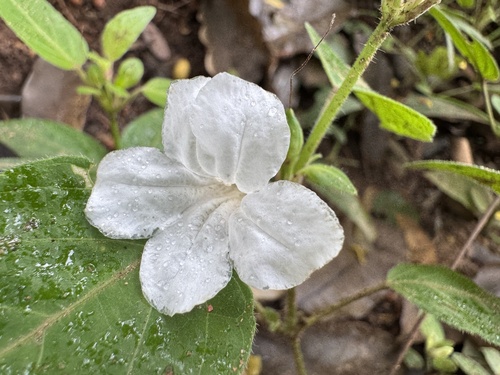
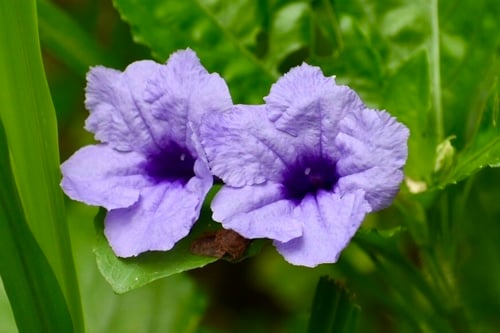
A herb or small shrub. It grows 2 m tall. The stems and branches are hairy. The leaves are narrowly oval to oblong and 2-10 cm long by 1-4 cm wide. The flowers are in short dense groups in the axils of leaves. They are purplish blue. The fruit is narrowly oval capsule. It is 2 cm long. There are 4 seeds.
Edible Uses
The leaves are used as a fermenting substrate for wine.
Traditional Uses
It is used as a fermenting substrate for wine.
This uses section is brief — help expand it
Medicinal Uses
Known as อังกาบ, this plant is used in Thailand as a traditional herbal remedy. It allegedly acts as a tonic, diuretic and blood purifier. To ensure intake of this plant, for medicinal purposes, is safe and nontoxic, studies were conducted on mice and found no side effects or death with fixed amount of dosage: 250g/kg dosage. In South India, it is known as December Flower as it blooms in December and is normally strung into garlands of flowers for women to wear in their hair. In Telugu the flowers are called Decembaralu(plural), In Tamil it is known as December Poo.
Distribution
It is a tropical plant. It grows on slopes and along streams between 100-2,600 m above sea level in southern China. In XTBG Yunnan. In Sichuan.
Where It Grows
Asia, Australia, Bhutan, Cambodia, China, Dominican Republic, Hawaii, Himalayas, India*, Indochina, Indonesia, Laos, Marquesas, Myanmar*, Nepal, Pacific, Pakistan, Philippines, SE Asia, Singapore, Sri Lanka, Taiwan, Thailand, Vietnam, West Indies,
Cultivation
Plants can be grown from seeds or cuttings.
Propagation
Seed - Easily propagated from cuttings planted directly in the ground..
Other Uses
The plant responds well to trimming and is often grown as an ornamental hedge.
Notes
It is used as medicine.
Synonyms
Also Known As
Bhende kuro, Daun madu, Landep, Leik-tha-ywe-pya, Panpatiya
References (5)
- Dangol, D. R., 2002, Economic uses of forest plant resources in western Chitwan, Nepal. Banko Janakari, 12(2): 56-64
- Kumar, R. & Saikia, P., 2020, Wild edible plants of Jharkhand and their utilitarian perspectives. Indian Journal of Traditional Knowledge Vol 19 (2), April 2020, pp 237-250
- Masoodi, H. U. R. & Sundriyal, R. C., 2020, Richness of non-timber forest products in Himalayan communities—diversity, distribution, use pattern and conservation status. Journal of Ethnobiology and Ethnomedicine 16:56
- Pandy, R. K. & Saini, S. K., 2007, Edible plants of tropical forests among tribal communities of Madhya Pradesh. Indian Journal of Traditional Knowledge. 6(1), pp 185-190
- Sukarya, D. G., (Ed.) 2013, 3,500 Plant Species of the Botanic Gardens of Indonesia. LIPI p 588, 1067