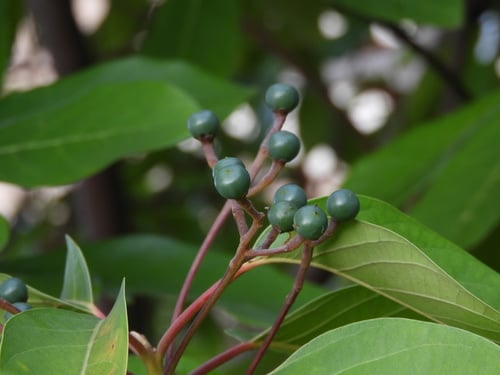
Cinnamomum verum
J. S. Presl.
Cinnamon
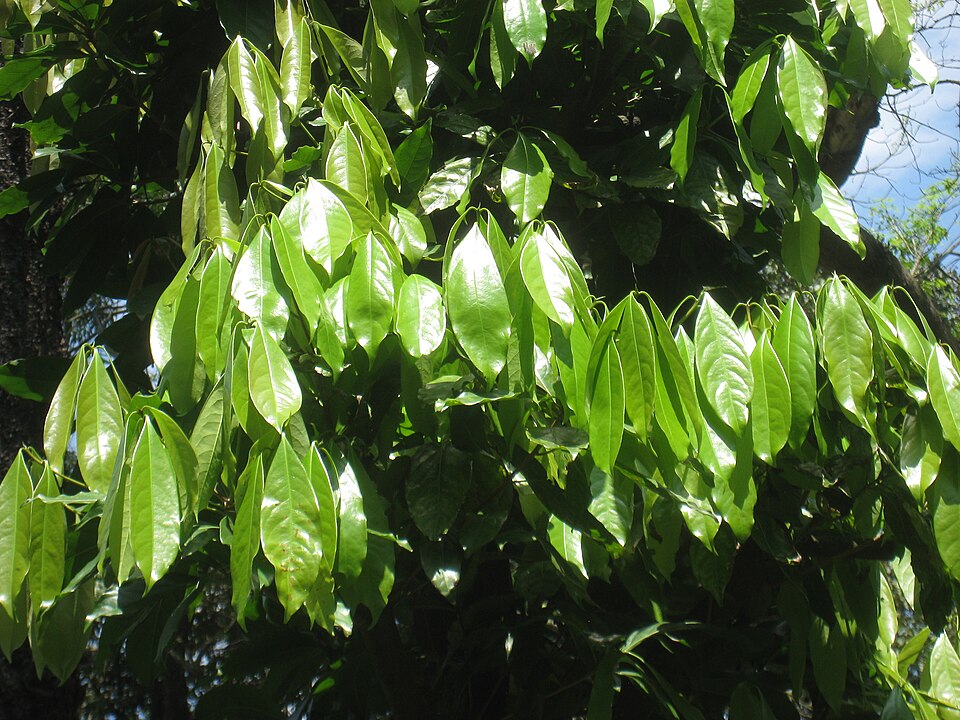
iNaturalist· pd
Wikimedia Commons, no known copyright restrictions (public domain)
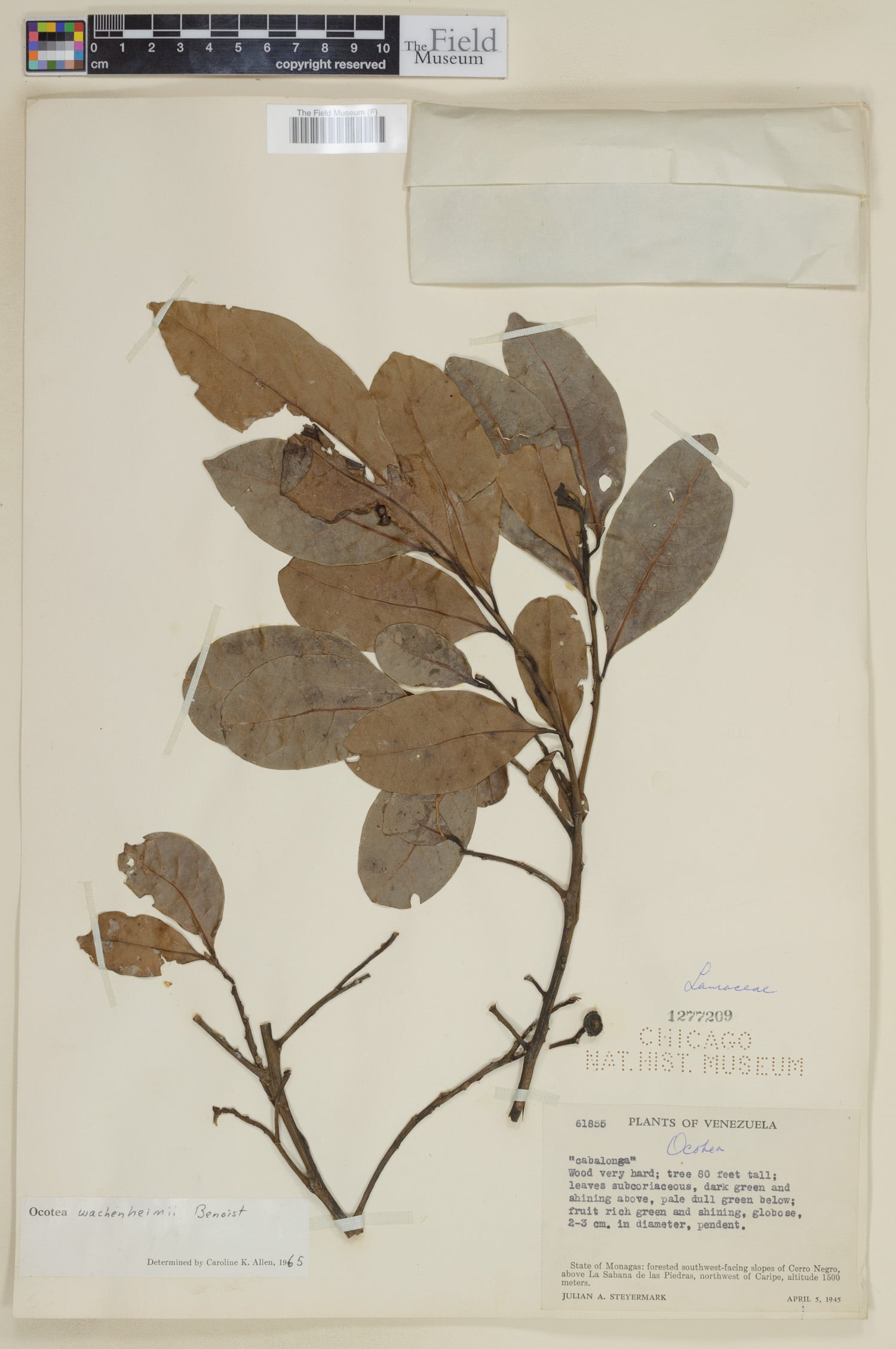
iNaturalist· cc-by
(c) Sayee Girdhari, some rights reserved (CC BY)
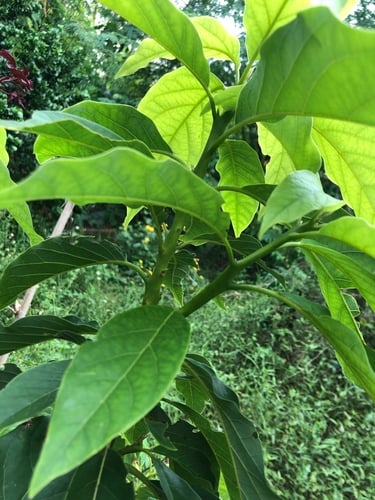
iNaturalist· cc-by-nc
(c) Nate Weston, some rights reserved (CC BY-NC), uploaded by Nate Weston
Summary
Source: WikipediaCinnamomum verum (synonym Cinnamomum zeylanicum), also called true cinnamon or Ceylon cinnamon is a small evergreen tree belonging to the family Lauraceae, native to Sri Lanka. The inner bark of the tree is historically regarded as the spice cinnamon, though this term was later generalized to include C. cassia as well.
Description
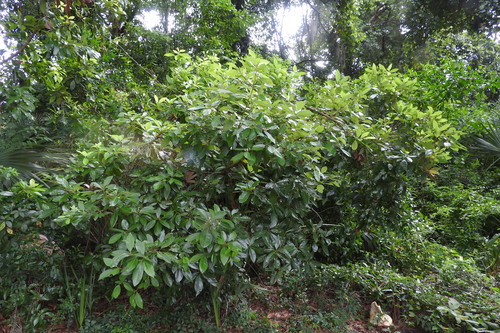
A large tree. It grows 10-20 m high. It keeps its leaves during the year. The trunk can be 30-60 cm across. The bark is dark brown. The young branches can be four sided. The leaves are usually opposite. The leaf blade is oval and 11-16 cm long by 4.5-5.5 cm wide. The young leaves are red but change to pale green. They later become dark green and glossy on top but whitish underneath. The flowers are pale yellow and small. The fruit are red but turn black when mature. They are 10-15 mm long.
Edible Uses
The stem bark is a well-known flavouring used in curries and a wide range of sweet dishes. Essential oils from both the leaves and the bark are used to flavour sauces, pickles, baked goods, confectionery, and cola-type drinks. The leaves are frequently used in cooking to impart a cinnamon flavour.
Medicinal Uses
Cinnamon bark oil is used in a range of dental and pharmaceutical preparations. Historically, cinnamon drops were regarded as a tonic, a sedative in childbirth, and a remedy for many common disorders, and the spice was used as a breath sweetener. In medieval times, cinnamon was distilled into cordials to aid digestion. In the Orient, cinnamon and its close relatives are still widely used for gastrointestinal and respiratory disorders and as an aphrodisiac. In the Philippines and the Pacific, it is taken to relieve headache. In Colombia, cinnamon sticks are chewed to speed parturition. In Ghana, bark of young shoots is used as a carminative and to treat catarrh, and the bark extract is an intestinal astringent. In Haiti, the essence is applied as a poultice for rheumatism and taken orally for spasms and stomach or intestinal gas.
Distribution
A tropical plant. It grows in wet tropical forests. It grows up to 2000 m altitude in India. It needs adequate rainfall.
Where It Grows
Africa, Andamans, Angola, Argentina, Asia, Australia, Bangladesh, Brazil, Cambodia, Cameroon, Cape Verde, Central Africa, Central America, China, Comoros, Congo DR, Cook Islands, Costa Rica, Cuba, Dominican Republic, East Africa, East Timor, Fiji, Grenada, Guyana, Haiti, Hawaii, Himalayas, India, Indochina, Indonesia, Jamaica, Kenya, Madagascar, Malawi, Malaysia, Martinique, Mauritius, Mexico, Mozambique, Myanmar, Nicaragua, Nigeria, Northeastern India, Pacific, Philippines, Pohnpei, Samoa, Sao Tome and Principe, SE Asia, Seychelles, Sierra Leone, Sikkim, Singapore, South America, Sri Lanka*, St Lucia, Suriname, Taiwan, Tanzania, Thailand, Timor-Leste, Uganda, USA, Vietnam, West Africa, West Indies,
Cultivation
Cinnamon can be found at elevations up to 2,000 metres, but for commercial harvesting does best at low altitudes below 500 metres. It requires a warm and wet climate with an average temperatures of about 27°c and no extremes of heat or cold. Rainfall should be around 2,000 - 2,500mm, well-distributed throughout the year. Although there can be months in which there is less rain, no prolonged dry season should occur and rain should be received on about 150 days per year. Prefers a fertile, sandy, moisture-retentive but freely draining soil in full sun or partial shade. Rocky and stony ground is unsuitable. Waterlogged and marshy areas should be avoided, as they result in an undesirable, bitter product, which is much less aromatic. The type of soil has a pronounced effect on bark quality. Fine sandy and lateritic gravelly soils rather than rocky and stony substrates are best in Sri Lanka and India, but in the Seychelles and Madagascar more loamy soils are preferred. Prefers a pH in the range 5.5 - 6.5, tolerating 5 - 7. The tree usually coppices well. Commercial production of cinnamon bark entails cutting the stems down low after an initial establishment period and harvesting the bushy regrowth stems at regular intervals thereafter. Stems are cut during the rainy season to facilitate peeling of the bark in 2 longitudinal strips. In Sri Lanka, a first harvest may be obtained after 3 - 4 years, although quality and yield improve with subsequent cuttings. On plantations, cinnamon is cut every 2 years, and the flush of straight shoots generated by coppicing produces the bark that is peeled for cinnamon quills. The expected yield of bark is 56 - 67 kg/ha after 3 - 4 years, subsequently increasing to 168 - 224 kg/ha. About 63 kg/ha of chips and approximately 2.5 tonnes/ha of undried leaves can also be obtained.
Propagation
Seed — viability is short, so sow as soon as ripe, removing fruit pulp first as it can inhibit germination. Germination takes 1–6 months at 20°C. Stored seed should be sown as soon as possible in containers. Seeds may be sown in nurseries or directly in the field. Nursery beds should be well-prepared, rich, sandy, free from roots and stones, with adequate fresh water and light shade. After about 4 months, clumps of seedlings may be transplanted into baskets and planted out 4–5 months later, or left in the nursery with shade progressively removed until final transplanting. Semi-ripe side shoot cuttings of 7cm with a heel may be taken in June or July and rooted in a frame with bottom heat. Old rootstocks can also be divided — stems from divided rootstocks are ready for cutting at 12–18 months after planting, compared with up to 3 years for seedlings.
Other Uses
Cinnamon bark oil has the characteristic aroma and sweet, pungent taste of the spice. Its major constituent is cinnamaldehyde, with minor components contributing the distinctive odour and flavour. It is used primarily in the food flavouring industry and also in tobacco flavours and incense, with limited use in some perfumes. Cinnamon leaf oil has a warm, spicy but harsher odour, lacking the richness of the bark oil. Its major constituent is eugenol rather than cinnamaldehyde, and as a cheaper fragrance it is added to soaps and insecticides. The sapwood is light brown and slightly soft; the heartwood is brownish-yellow with a green cast, or olive to light olive brown to blackish-brown, with medium to coarse texture, satiny or silky lustre, straight and often rosy grain, and a spicy odour. The wood has excellent working qualities. Other uses rating: Medium (3/5).
Other Information
It is sold in markets. It is an important spice. It is cultivated.
Notes
There are about 250 Cinnamomum species.
Synonyms
Also Known As
Cinnamomum verum or Cinnamon. Other Names: Ceylon cinnamon; true cinnamon. Spanish: canela; canelero. French: cannelier; cennellier de Ceylon. Portuguese: canelleira-da-India. Brazil: cinamomo. Cambodia: che'k tum phka lo‘ng. Fiji: kaloni. Germany: Ceylonzimtbaum; Kaneelbaum. India: cannalavangapattai; dalchini; karuwa; tamalapatra. Indonesia: kayu manis. Italy: albero della cannella; canella di Ceylon. Malaysia: kayu manis. Netherlands: kaneelboom. Palau: ochod ra ngebard. Papua New Guinea: skin diwai. Peninsular Malaysia: kulit manis. Philippines: cinnamon; kane-la. Samoa: tigamoni; tinamoni. Sri Lanka: kurundu. Sweden: kaneltraed.
References (1)
- The bark is used raw and cooked as a spice. It is used with puddings and desserts as well as with stews, poultry, pickles and soups. The leaves are used for food flavouring. The bark and leaves yield as essential oil also used similarly for flavouring.