Cussonia holstii
Harms ex Engl.
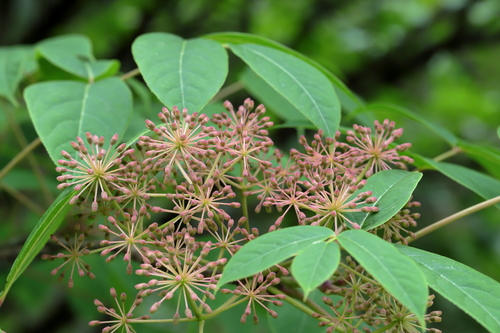
iNaturalist· cc-by-nc
(c) Scamperdale, some rights reserved (CC BY-NC)
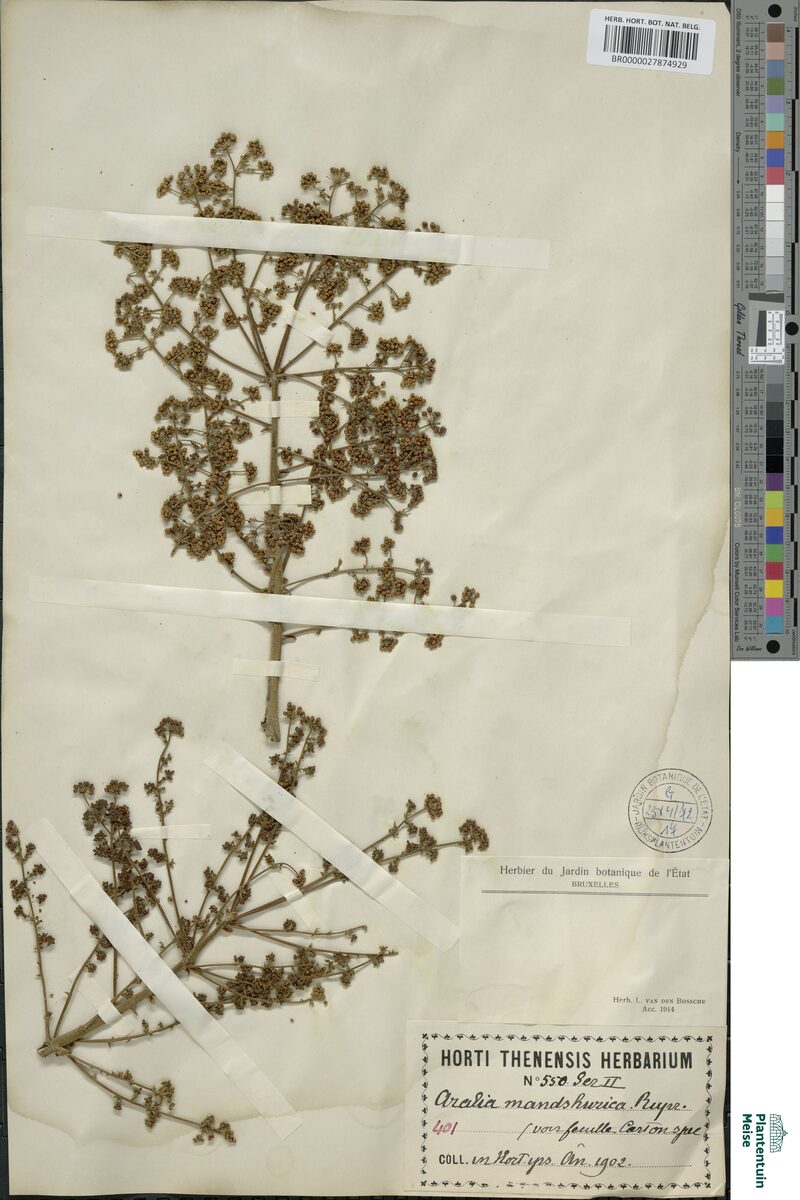
iNaturalist· cc-by-nc
(c) BenJee, some rights reserved (CC BY-NC), uploaded by BenJee
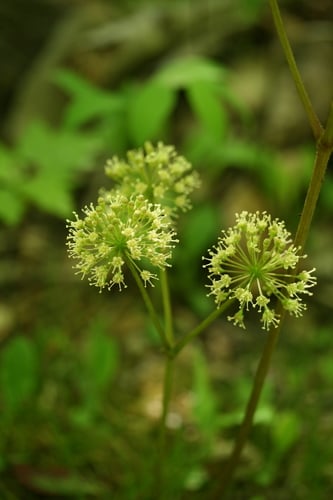
iNaturalist· cc-by-nc
(c) Peter Caire, some rights reserved (CC BY-NC), uploaded by Peter Caire
Summary
Source: WikipediaCussonia holstii is a small to medium size tree belonging to the family Araliaceae. The tree is similar in shape to a paw paw tree.
Description
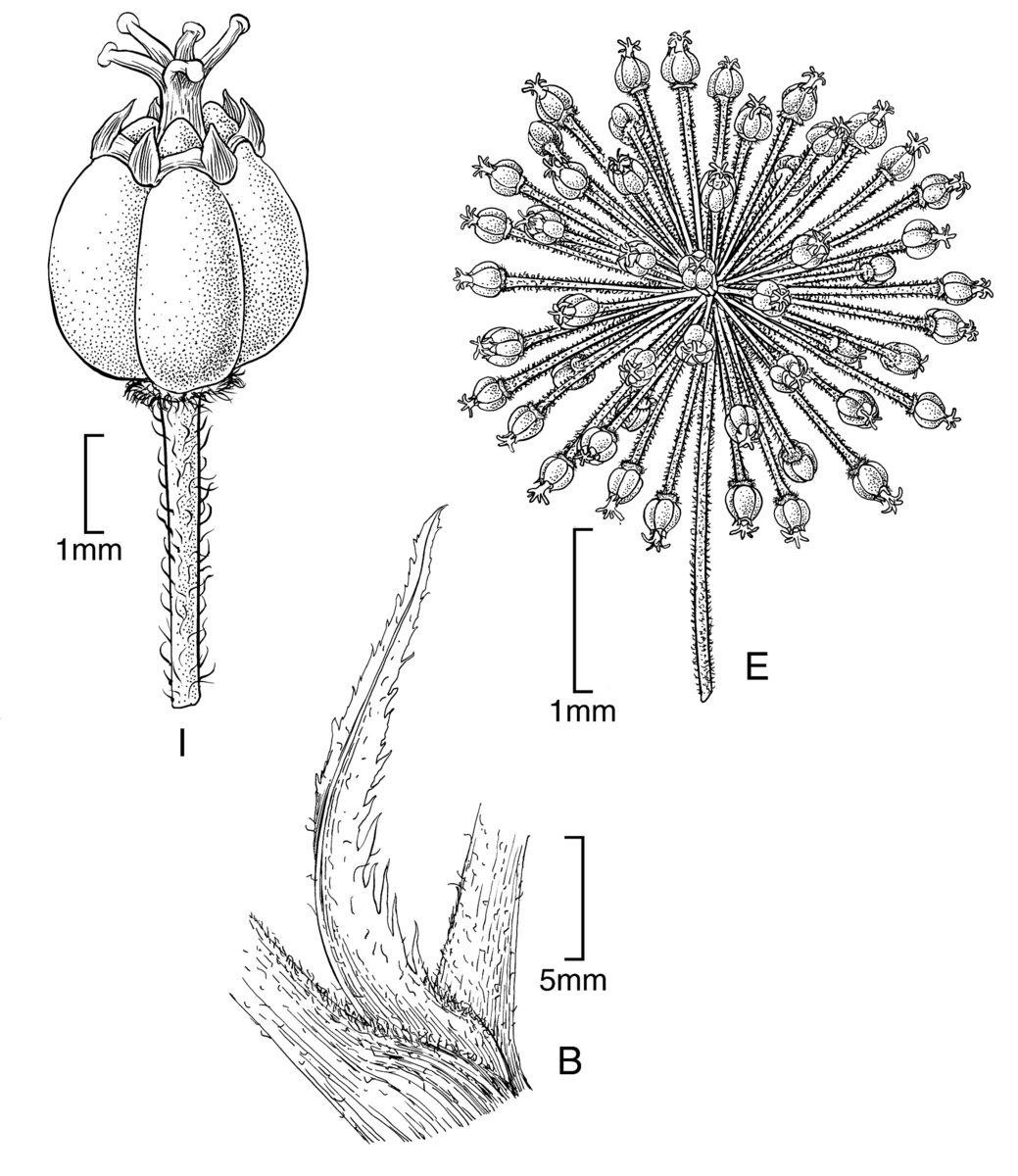
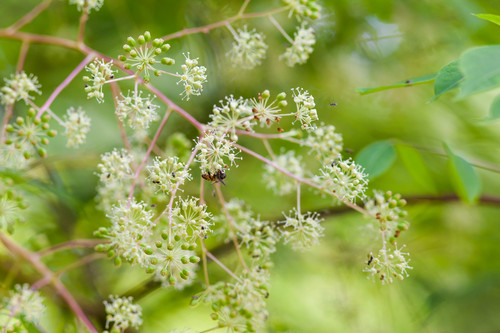
A tree. It grows 20 m tall. The trunk can be 1 m across. The leaves have deep lobes. The flowering shoots have up to 30 flower spikes. The fruit are 4-6 mm long. They can be hairy.
Edible Uses
The fruit is edible.
Medicinal Uses
A decoction of leaf extracts is used in traditional medicine to treat abdominal pain while a bark decoction is used during child birth to clean the uterus and expel the placenta. Leaves are also used as fodder for goats. Wood is soft and used to make doors and beehives.
Distribution
It is a tropical plant. It grows between 1,250-2,300 m above sea level.
Where It Grows
Africa, Central Africa, Congo DR, Ethiopia, Kenya, Rwanda, Somalia, Tanzania, Uganda, Yemen,
Propagation
Seed - best sown as soon as possible because it loses much of its viability within 3 months. However, seed sown in summer months will germinate faster (in about 4 weeks) than seed sown in winter (7 weeks to germination). Sow the seed in seed trays in a semi-shaded position, ensuring at least 15cm depth of soil to allow the small tubers to form. Do not allow seed to become waterlogged or dry out. Seedlings can be transplanted at about 4 months, but be very careful not to damage the fleshy roots when transplanting.
Other Uses
The wood is white and soft. It is used for making temporary stools and doors, water troughs, beehives, and wheels for wheelbarrows. The tree is used as a live fence around houses and cattle enclosures.
Synonyms
Also Known As
Muamve
References (2)
- Brevard County Edible Acres
- Martin,